Pongola, KwaZulu-Natal: Where to stay and what to do during your visit
Pongola in northern KwaZulu-Natal offers a relaxed base from which to explore the broader Zululand region. The town sits beside the Pongola River and is close to nature reserves, wildlife experiences, and easy-access routes to both inland landscapes and coastal escapes. When planning a stay, consider the type of accommodation that best suits your travel style—rural guest houses, small hotels, and self-catering lodges are common—and think about accessibility, especially if you are touring by car or planning day trips to nearby reserves and viewpoints.
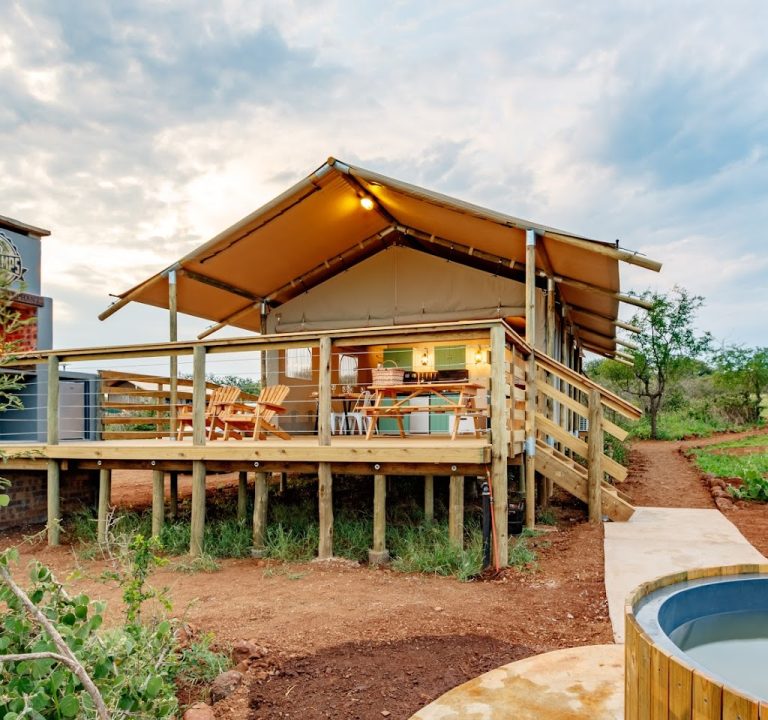
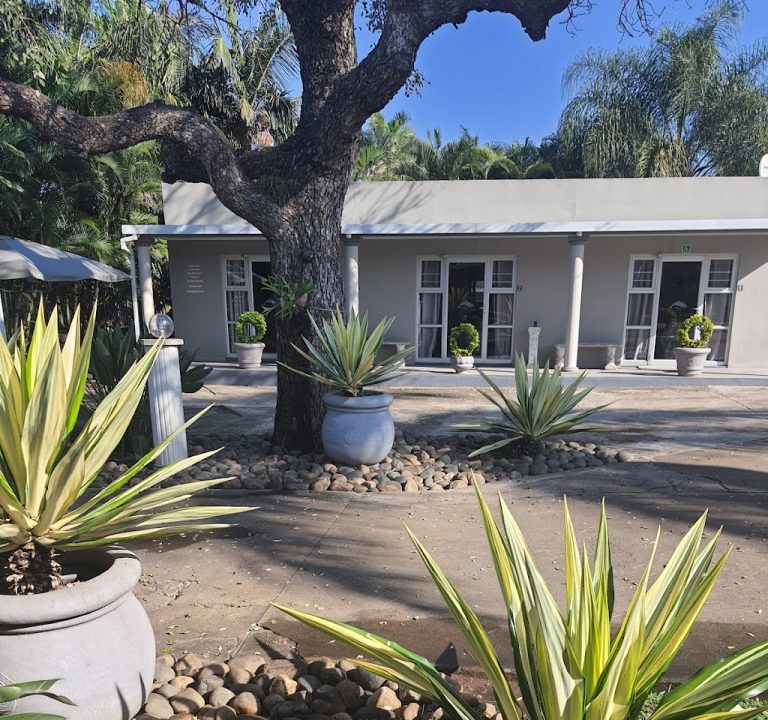
Accommodation in Pongola ranges from intimate guest houses to self-contained cottages. A typical stay might feature comfortable bedrooms, secure parking, family-friendly rooms, and spaces for socialising or relaxing after days of exploring. Some properties operate as b and b-style guest houses, offering breakfast or light meals, while others provide full self-catering facilities. Many hosts emphasise a warm, personal service and local knowledge that can help you tailor activities around your itinerary. If you’re planning a longer visit, look for properties that offer flexible check-in times and clear information about meals, logistics, and nearby services.
Areas to consider include the town centre for convenience and dining options, as well as more tranquil rural lanes where guest houses or lodges sit closer to nature. If you are keen on birdwatching or enjoying broader birdlife, a quiet rural setting can be ideal. For families or groups, a self-catering unit with a kitchen and outdoor space can make daily routines easy, particularly if you want to cook what you forage from nearby markets or take advantage of on-site braai facilities.
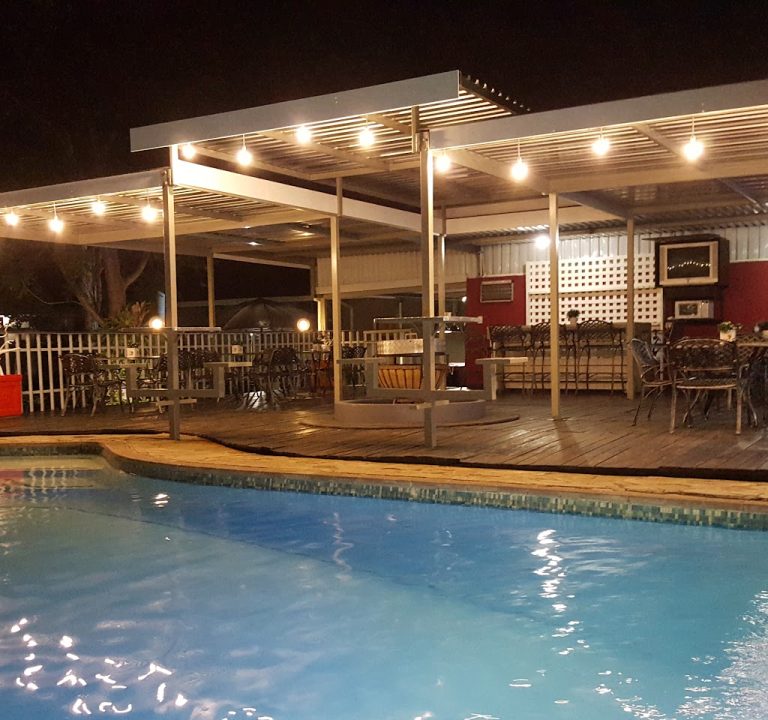
When you book, look for the following amenities and features to ensure a comfortable stay. A clean, well-kept room with own bathroom, reliable hot water, and secure parking are essential. Access to Wi‑Fi, charging points, and bedroom fans or air conditioning can greatly influence your comfort, especially during warmer months. If you’re travelling during the rainy season, it can be helpful to have indoor seating, a sheltered outdoor area, and a sturdy balcony or veranda to enjoy the surrounding scenery without being exposed to the elements. A small kitchen or kitchenette is valuable for self-catering travellers, while a nearby restaurant or shared dining area can supplement meals during longer visits.
Transport in Pongola is typically by car, and owning or renting a vehicle provides the most flexibility for exploring. The roads are a mix of paved and unpaved surfaces in more rural areas, so a car with reasonable clearance is practical if you plan to venture beyond the town. If you prefer not to drive, some guest houses can arrange transfers or recommend reliable local drivers or day-trip operators for wildlife viewing, scenery drives, or visits to nearby reserves. Consider proximity to the Pongola Dam and nearby nature areas when choosing where to base yourself, as shorter transfer times make day trips more leisurely.
The best time to visit Pongola depends on what you want to experience. The winter dry season (roughly May to September) brings clearer skies and pleasant daytime temperatures, making it ideal for outdoor activities and wildlife observations. The wet summer months (roughly October to March) bring lush scenery and dramatic thunderstorms, which can be spectacular but may affect travel plans if roads become slippery. If you enjoy birdlife and green landscapes, the shoulder periods around spring and autumn often offer comfortable weather and quieter attractions. Pack accordingly for both heat and occasional rain, and always check local forecasts ahead of day trips.
Attractions and activities in and around Pongola tend to be nature-focused and scenically driven rather than heavily commercialised. Visitors commonly enjoy nature drives or guided walks in nearby reserves, birdwatching on rivers and wetlands, and viewpoints that showcase expansive rural skies and rolling veld. For a relaxed day out, consider a stroll along the riverbanks or a visit to local viewpoints to appreciate the landscape. Dining experiences nearby generally reflect KwaZulu-Natal flavours, with eateries offering a mix of traditional dishes and contemporary twists, often featuring fresh, regional ingredients. When planning itineraries, balance activities between outdoor exploration, nature-based experiences, and downtime at your accommodation to unwind after busy days of sightseeing.
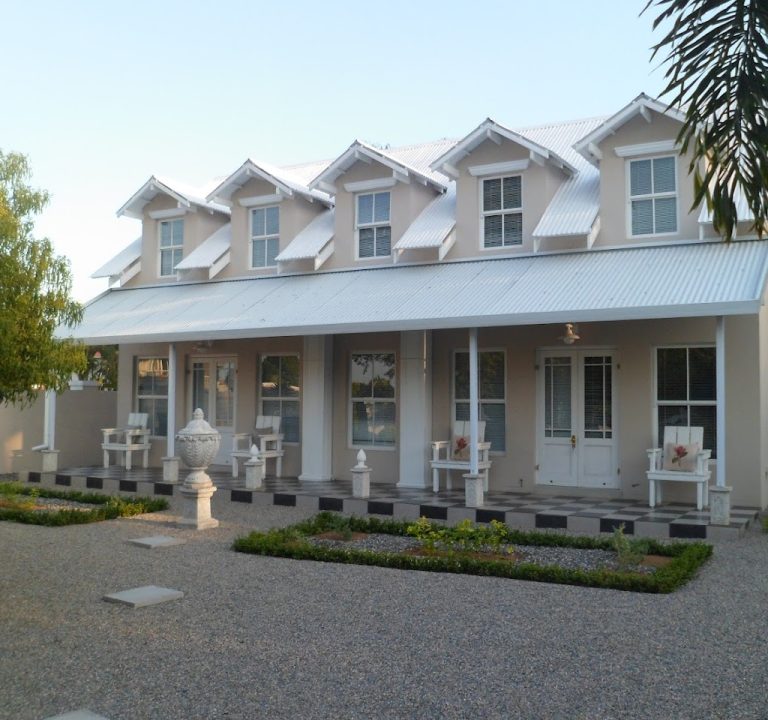
As a practical tip, book well in advance if you’re visiting in peak holiday periods or over weekends, and confirm cancellation policies and any seasonal variations in service. Some properties may implement limited meal times or seasonal offerings, so it’s wise to confirm what is included with your stay and whether self-catering or dining services are available on specific days. If you’re seeking a recommended place to stay, consider Koppie Alleen Guest House, a guest house option in the area, and weigh its location, room configurations, and facilities against your plans for outdoor activities and day trips. You can explore further details of accommodation options and arrange a stay through official websites or reputable travel platforms, ensuring you have clear directions and transport arrangements in advance.
In planning a visit to Pongola, flexibility and a relaxed schedule often yield the best experiences. Allow time for travel between rural properties, nature sites, and dining spots, and leave moments free for spontaneous discoveries—whether it’s a riverside viewpoint at sunset or a casual stop at a village store to sample local snacks. With careful planning, Pongola offers a calm, nature-rich base from which to explore KwaZulu-Natal’s diverse landscapes and warm, welcoming hospitality.