Accommodation and Experiences in Pretoria, Gauteng: Plan Your Stay with Ease
Pretoria, the capital city of Gauteng, blends leafy suburbs with vibrant urban hubs, offering a range of places to stay from boutique guest houses to modern lodges. When planning a visit, it helps to think in terms of where you’ll spend the day, what you’ll want to do in the evenings, and how you’ll move around. A well-chosen base can save time and make it easier to enjoy the city’s character, scenery and culinary scene at a relaxed pace.
Areas to consider for a stay include the central, government-facing precincts with museums and historic sites; the more residential and leafy northern suburbs; and the lively, mall-filled east and south. Hatfield and Arcadia provide a student-friendly, energetic vibe with bars and casual eateries, while Waterkloof and Groenkloof offer quieter, leafy streets and easy access to embankments and parks. Menlyn and the surrounding precincts have modern shopping, dining and conference facilities, ideal if you’re combining business with leisure. For a taste of Pretoria’s leafy hospitality culture, a well-situated guest house or boutique hotel in these areas can balance convenience with a relaxing atmosphere.
When selecting accommodation, consider the following factors to ensure a comfortable stay. First, determine how much time you’ll spend in your room vs. out in the city. If you’ll be attending meetings or conferences, look for guest houses or small hotels with comfortable workspaces and reliable Wi‑Fi. A good breakfast and secure parking are practical bonuses, especially if you’re driving or hiring a car. If you’re relying on rideshare transport, proximity to main routes and accessible pick-up points matters. For families or larger groups, check if rooms or suites offer separate living areas or additional sleeping arrangements. If you’re after a more intimate local experience, a guest house with a personal touch—such as a host who provides local recommendations—can be a real advantage.
Typical amenities to look for include secure parking, climate control, sufficient power outlets, and a clear emphasis on cleanliness. In South Africa’s climate, air conditioning or ceiling fans are useful in summer, while heating becomes important for winter visits. Many Pretoria properties will offer en-suite bathrooms, tea- and coffee-making facilities, and access to a shared or private lounge. If you plan to entertain or work remotely, a dedicated work desk and a quiet room can be beneficial. Check whether the property offers self-catering facilities or nearby dining options if you prefer flexibility.
Transport in Pretoria is well-served by a network of roads, and a car often provides the most flexibility for sightseeing across the region. If you’re not driving, options include ride-hailing services and public transport networks around the city. When booking, verify how easy it is to reach your planned attractions, as some sites sit outside immediate walking distance from central guest houses. A host or reception team can usually provide practical tips on transit routes, safe travel times, and the best ways to reach major sights such as historic buildings, public gardens, and city viewpoints.
The best time to visit Pretoria depends on what you want to do. Spring (September to November) brings pleasant outdoor weather for park visits and city strolls, while autumn (March to May) can offer cooler evenings and fewer crowds. The city’s climate can be warm in summer, so many visitors enjoy indoor cultural experiences or shaded outdoor spaces during peak daytime hours. Winter is mild but can be chilly at night, making a comfortable room and good heating a priority. If you’re planning special events or outdoor activities, consult local calendars for festival dates or market weekends to avoid peak tourist crowds or to align with live performances and tastings.
Practical tips for a smooth stay in Pretoria include connecting with your accommodation host about arrival procedures, access codes, and local recommendations. Consider arranging a flexible itinerary that blends well-known landmarks with lesser-visited neighbourhoods, so you can gauge the city’s tempo without feeling rushed. Pack a light layer for cooler evenings and a hat or sunscreen for daytime city exploration. If you’re driving, familiarise yourself with parking zones and security considerations in your chosen district. For longer stays, plan a few “buffer” days to revisit a museum, a park, or a neighbourhood you discovered on an unplanned detour, which often becomes a highlight of the trip.
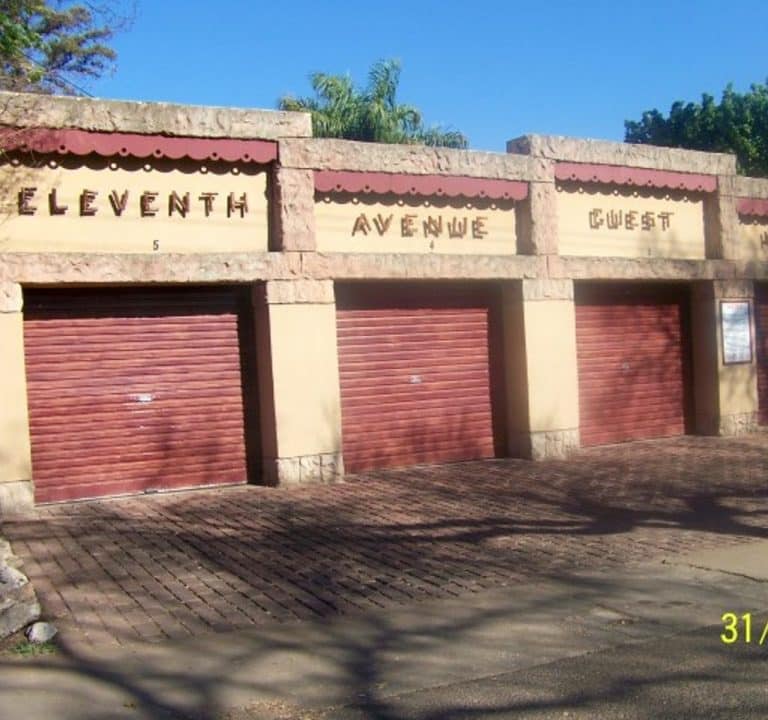
For example, a guest house such as Eleventh Avenue GuestHouse & Conferencing can offer a home-from-home atmosphere with practical amenities and the chance to connect with local guests and travellers. While many properties emphasise comfort and convenience, it is worth exploring options that also provide helpful information about nearby dining, markets and day trips. Pretoria’s dining scene ranges from casual cafés and bistros to more intimate restaurants that celebrate South African flavours in modern settings. In terms of planning, browse property websites for room layouts, dining options, and guest reviews to build a realistic picture of what you can expect during your stay. For general inspiration and practical ideas, official tourism resources and city guides can be excellent starting points: https://www.tourismpretoria.co.za
- Hatfield and Arcadia: lively neighbourhoods with easy access to bars, eateries and culture
- Waterkloof and Groenkloof: tranquil, leafy streets with a residential feel
- Menlyn and surrounds: modern shopping, dining and conference facilities
- Central landmarks: proximity to Union Buildings, museums and historic sites