Where to stay and what to do in Pretoria, Gauteng: a practical guide for visitors
Persuading guests to linger in Pretoria means balancing comfort, location and ease of access to the city’s wide array of experiences. The capital city of Gauteng combines leafy suburbs, bustling business districts and cultural pockets that suit a range of travel styles. Whether you’re seeking a tranquil garden-guesthouse stay, a modern hotel near major transport hubs, or a cosy B&B with personalised touches, Pretoria can accommodate. This guide highlights accommodation options, planning tips, practical considerations, and a flavour of what you might discover during your visit.
Accommodation choices commonly fall into a few broad areas. Pretoria East tends to offer comfortable, family-friendly stays with easy access to shopping centres, parks and the highway network. The eastern suburbs are popular for mid-range and boutique properties that aim to balance quiet residential settings with convenient commutes to central Pretoria and beyond. In the central hubs around Arcadia and the historic core, you’ll find guesthouses and boutique hotels that place guests within walking distance of cafés and cultural spots. The Menlyn, Waterkloof and Hatfield corridors provide a mix of modern hotels, stylish B&Bs and apartment-style options that are well suited to business travellers or those wanting quick access to the Gautrain station or major arterials.
Local examples of hospitality options range from intimate B&Bs to larger guesthouses. For those seeking a personalised experience, small establishments often include features such as home-cooked breakfasts, secure parking, and information on nearby restaurants and attractions. When evaluating a booking, look for clear descriptions of room types, included meals, privacy levels, and guest reviews that mention reliability and service. A well-managed property will outline practical details like check-in procedures, accessibility, and how housekeeping is organised during longer stays.
When planning your stay, consider a few practical factors. Transport options are integral to a smooth visit. Pretoria benefits from a well-connected road network and rail links to Johannesburg and other parts of Gauteng. The Gautrain and local bus services offer convenient ways to travel, while Uber and other ride-hailing apps are widely used for door-to-door journeys. If you’re renting a car, ensure your accommodation has secure parking and easy routes to major attractions. For guests who prefer not to drive, choosing a property near frequent public transport routes or within walkable distance to cafés and cultural venues can save time and reduce stress.
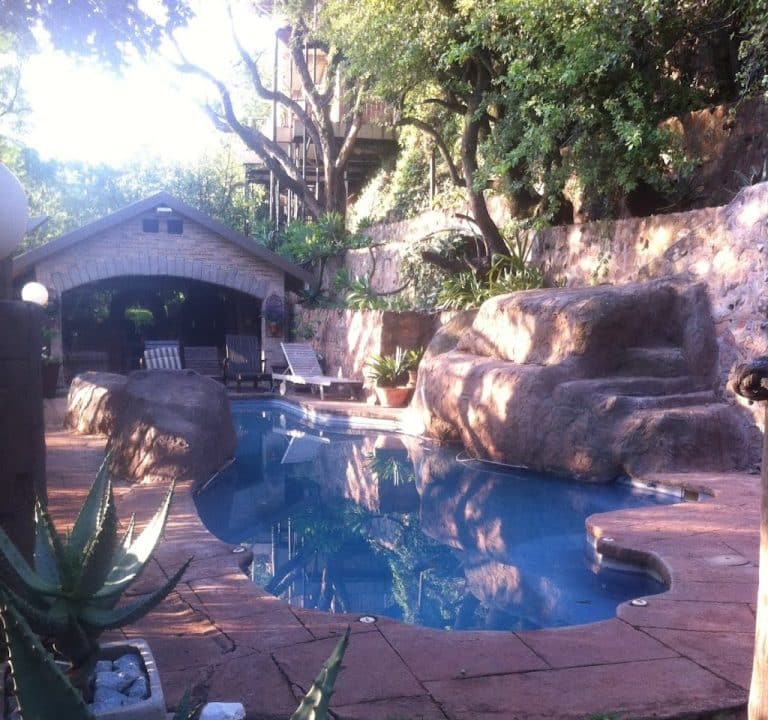
Typical hotel-equipment and B&B amenities range from free Wi‑Fi and air conditioning to on-site parking, secure access, and daily housekeeping. Breakfast is a common feature in many B&Bs and guesthouses, with some properties offering contemporary continental spreads or home-cooked options. In urbanised areas, properties may also provide business facilities such as work desks, meeting spaces or small lounges. If you have special requirements—wheelchair access, child-friendly spaces, or dietary needs—contact the property in advance to confirm suitability and any potential constraints. A well-described listing should clarify whether there is a pool, garden area, or outdoor seating, as well as the level of noise in the neighbourhood, which can vary depending on location and time of day.
The best time to visit Pretoria depends on your priorities. Spring (September to November) brings the city’s famous jacaranda trees into bloom, making parks and streets particularly pleasant for strolls and photography. Autumn and winter can be drier and cooler, ideal for sightseeing without the crowds. If you’re planning outdoor activities or visits to open-air markets, consider the seasonal weather and any local events that may influence hotel availability or pricing. Spring and autumn often strike a nice balance between pleasant temperatures and reasonable room rates.
Entertainment and dining nearby are an important part of a successful stay. Pretoria has a wide range of restaurants offering South African flavours, cosmopolitan fare, and international dishes. Dining experiences may range from casual bistros to refined eateries in stylish guesthouses or hotels. When researching where to eat, look for venues that provide clearly labelled menus, reasonable queues, and vegetarian or vegan options if needed. For a broader sense of the city’s culture, you might plan a day to explore markets, museums, and outdoor spaces that showcase Pretoria’s heritage and contemporary vibe. For day trips, nearby landmarks and parks can offer pleasant escapes with convenient access back to your accommodation in the evening.
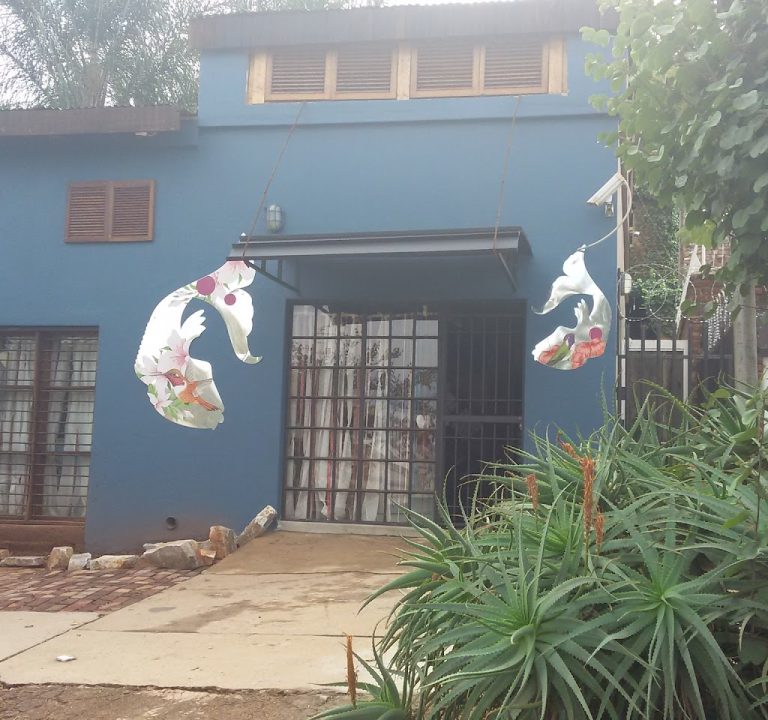
One example of a hospitality option with its own distinct character is Lerato Bush Lodge, a bed & breakfast property offering a restful base within easy reach of Pretoria’s centre. With a focus on personalised service and a homely atmosphere, Lerato Bush Lodge can be a good starting point for travellers who value thoughtful hosts and a quiet setting. To learn more about the property and its offerings, you can visit their website at http://www.leratobushlodge.com/.
Below is a concise checklist to help with booking decisions:
- Location: proximity to your planned activities, transport links and safe neighbourhoods.
- Room type and privacy: ensure the arrangement suits your group size and preferences.
- Amenities: breakfast, parking, Wi‑Fi, and any special requests.
- Transport access: ease of reaching major sights and the city centre.
- Policies: check cancellation terms and check-in/out times to avoid surprises.
Finally, a practical tip: keep one flexible day in your itinerary for spontaneous explorations. Pretoria’s tree-lined avenues, markets and artist-led spaces reward those who meander a little, rather than stick to a rigid timetable. With thoughtful planning, your stay in Pretoria can be a relaxed balance of comfortable accommodation, easy travel, and engaging experiences across Gauteng.