Accommodation and Experiences in Newcastle, KwaZulu-Natal
Newcastle, tucked along the inner plains of KwaZulu-Natal, offers a practical base for visitors exploring the province beyond the coast. Its hospitality scene blends comfortable guesthouses, mid-range hotels and lodges with a warm, South African welcome. When planning a stay, consider the spread of neighbourhoods, how you will get around, and the kind of pace you prefer—whether you want easy access to the town centre, green spaces, or a quieter stay on the edge of the countryside.
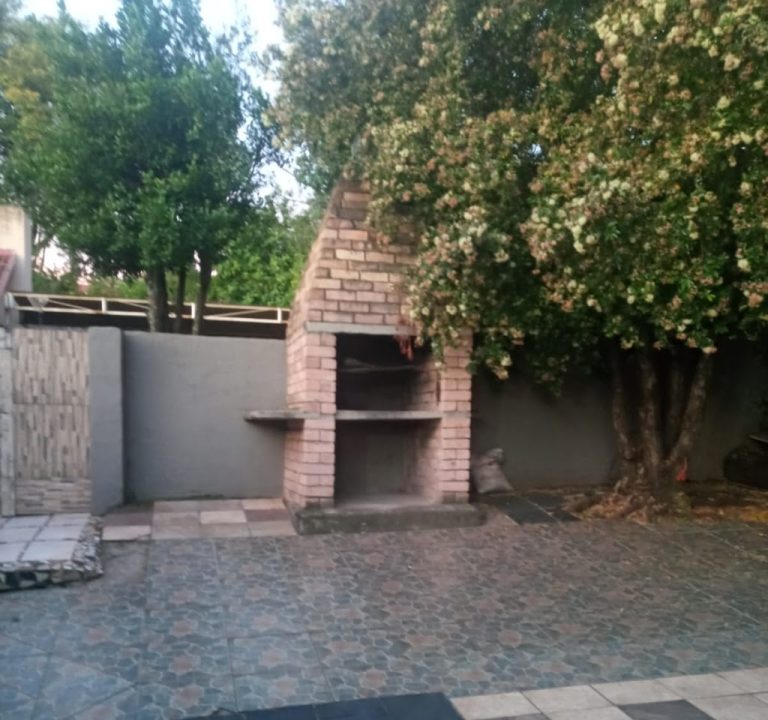
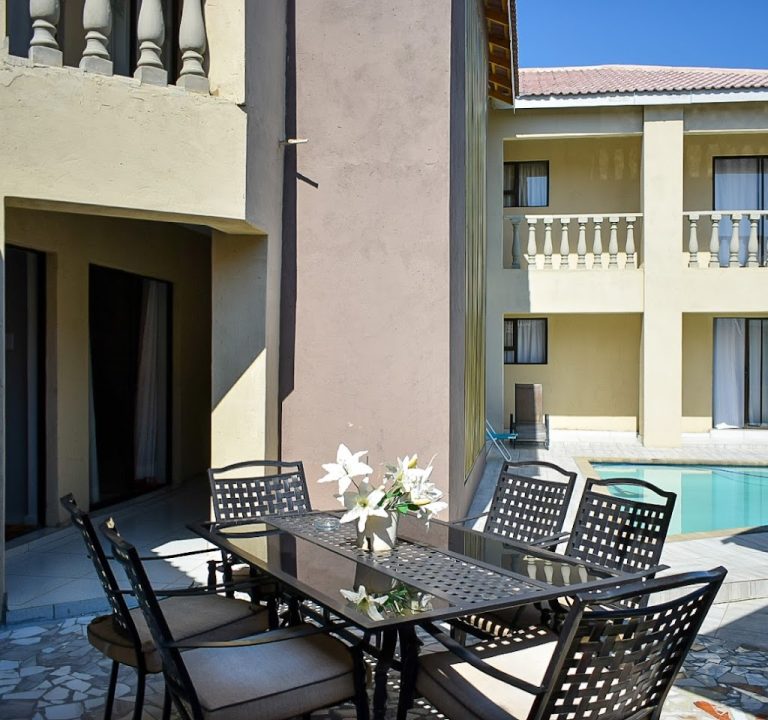
Areas to consider for accommodation include the town centre, where easy access to shops, eateries, and transport links can save time during busy days. Suburban pockets and quieter residential streets around the central business district can be calmer, with a focus on homely B&Bs and guesthouses that offer a more intimate, local experience. If you are seeking more space and scenic surroundings, look to lodges and small hotels on the outskirts, where gardens, pool areas, or verandas provide a relaxing retreat after day trips.
Typical amenities across Newcastle’s accommodation options include comfortable en-suite rooms, reliable Wi‑Fi, and on-site dining or easy access to nearby eateries. Many places offer secure parking, 24-hour reception, and upgraded rooms with air conditioning or ceiling fans—practical considerations for KwaZulu-Natal’s warm days. Notes to check while booking include the availability of breakfast options, whether there is a swimming pool, and if there are facilities for families or business travellers. Some properties may also provide laundry services or shuttle arrangements to key locations or nearby rural routes.
Planning a balanced stay often means pairing comfortable lodging with straightforward transport. The town is well connected by road, with car hire offering the greatest flexibility for day trips and countryside explorations. If you prefer not to drive, ask about local taxi services or organised tours that cover nearby nature reserves, historical sites, or cultural experiences. Consider the convenience of your chosen base in relation to the places you intend to visit, as a short drive can help you avoid peak-hour delays and maximise your time on the ground.
The best time to visit Newcastle depends on your priorities. Winters (May to August) are typically cooler and drier, making it a good period for comfortable day trips and outdoor activities, while summers (November to March) can be warmer with the possibility of afternoon showers. Spring and autumn often provide pleasant weather for strolling through town streets, visiting markets, and enjoying outdoor dining. If you are planning a stay that includes hiking or countryside scenery, aim for the milder months to reduce the risk of heat or heavy rain interrupting outdoor plans.
When choosing where to stay, think about practicalities that affect your daily routine. Accessibility for those with mobility needs, the proximity of the accommodation to major routes, and the availability of late dining or takeaway options can influence your enjoyment of the trip. If you are travelling with children or a group, look for family-friendly rooms or suites, safe outdoor spaces, and places that can accommodate extra beds or cots if needed. For business travellers, check for reliable Wi‑Fi, a quiet work area, and proximity to meeting spaces or business facilities.
Newcastle’s surroundings offer a variety of experiences without needing to travel far. The area has a mix of cultural heritage, natural beauty and relaxed dining scenes. Visitors commonly explore local museums and markets to gain a sense of the town’s character, while surrounding countryside and hills invite outdoor activities such as hiking or scenic drives. For those interested in history and nature, day trips that combine a stroll through historic streets with a vantage point over rolling landscapes are often well within reach. Dining in town tends to reflect a straightforward, welcoming approach: Wikipedia-level overviews aside, travellers can expect uncomplicated, well-prepared meals, often with a focus on comfort and localisation rather than haute cuisine.
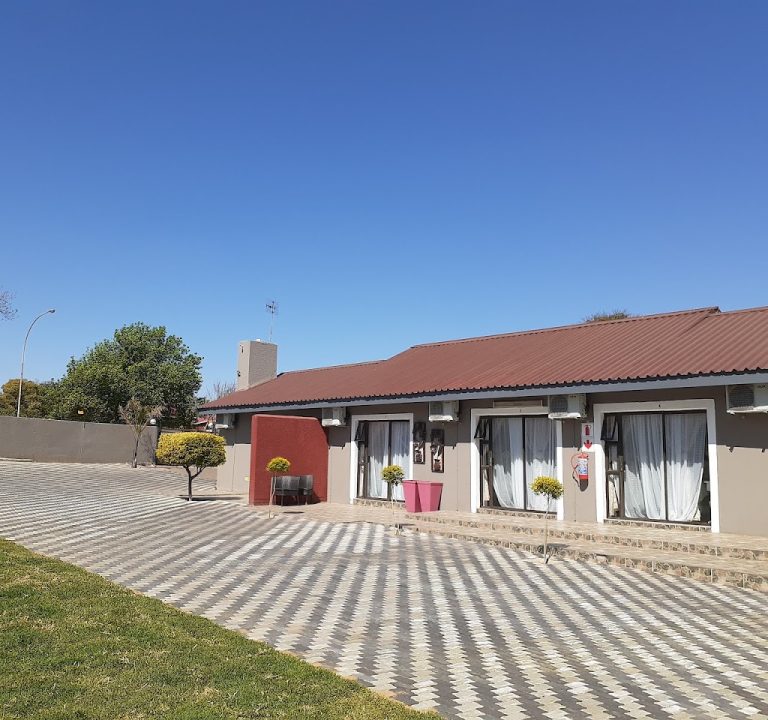
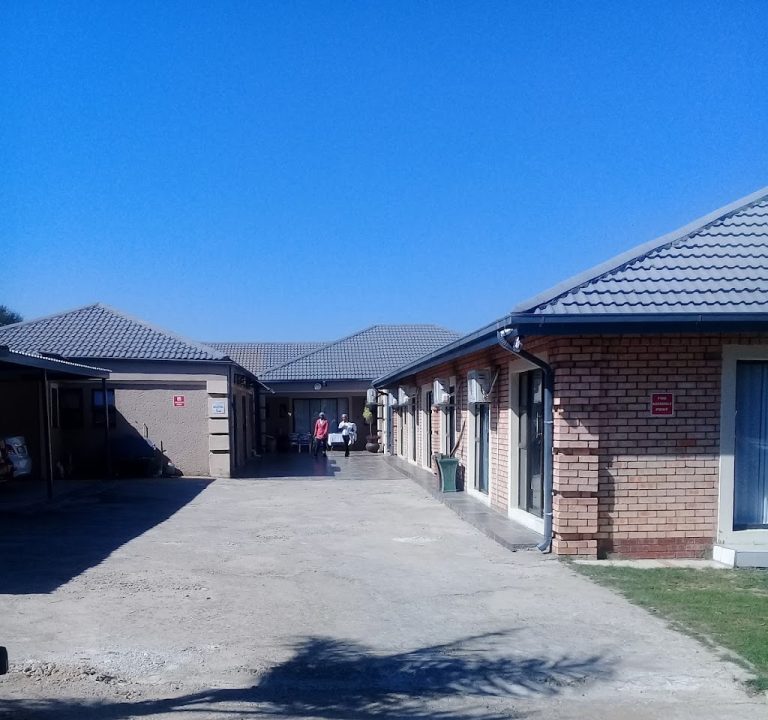
El Divino Newcastle is one example of a hotel option within the area. When evaluating accommodation, it can be useful to compare several properties to understand the range of room types, level of service, and value for money. Reading guest reviews can help you gauge consistency in housekeeping, the helpfulness of staff, and the accuracy of online descriptions. If you have specific needs—such as accessibility features, pet-friendly policies, or a preference for a certain breakfast style—note these and confirm ahead of booking to avoid surprises on arrival.
Practical planning tips for a smooth stay:
- Check the location relative to your planned activities and plan your transport options in advance.
- Confirm breakfast arrangements, parking availability, and dining options on-site or nearby.
- Look for flexible booking options or clear cancellation policies in case plans change.
- Pack adaptable clothing for variable weather and comfortable footwear for walking around town and outdoor areas.
- Bring a compact map or offline navigation tool to help navigate unfamiliar routes; some areas may have limited mobile reception outside of town.
Finally, a well-paced itinerary that mixes accommodation comfort with light days of exploration tends to yield the most enjoyable stay. Reserve a couple of evenings for restaurant stops or casual dining to experience local flavours without feeling rushed, and leave one day free for a spontaneous excursion or a rest morning at your hotel. With a thoughtful approach to where you stay, how you move around, and what you prioritise, Newcastle can offer a convenient, comfortable base for exploring KwaZulu-Natal beyond the coastal belt.