Cape Town: A guide to accommodation, neighbourhoods, and things to do
Cape Town is a city of striking colour and contrast, where sea, mountains and urban life meet. When planning a stay, consider the character of different neighbourhoods to find accommodation that matches your interests, pace and budget. A guest house in Cape Town can offer a warm, personal welcome and a base from which to explore both well-trodden highlights and more local, offbeat experiences. For instance, an established guest house such as Ekima Guest House provides a comfortable option with a focus on guest hospitality and convenient access to the city’s buzziest areas via regular transport routes. Learn more about such options at the property’s website: http://ekimaguesthouse.com/.
City Centre and the historic Company Gardens area are ideal if you want to be within walking distance of museums, civic buildings and the hustle of urban life. This area often offers easy access to MyCiTi bus services and short hops to other districts by ride-hailing apps. If you prefer a quieter base with easy access to Table Mountain, the leafy slopes of the neighbourhoods around the foothills can be a good alternative, combining a relaxed residential feel with quick ascents to panoramic viewpoints and hiking trails.
Across the Atlantic Seaboard, the Atlantic Seaboard and surrounding coastal suburbs offer a cosmopolitan mix of scenery, stylish eateries, and golden beaches. Camps Bay and Clifton on the more upscale side are renowned for sunset vistas and light-filled streets, whereas Green Point and Sea Point balance lively promenade strolls with a range of guest houses, boutique hotels and guestroom options. These areas are particularly popular for guests who want to pair their coastal walks with easy access to cafés and restaurants along the shoreline.
For a more residential, family-friendly stay, consider the southern peninsula or the Constantia valley. Constantia combines wine route charm with leafy streets and country-style lodges or guest houses, while the wider Constantia precinct offers tranquil settings that are still within reach of the city by car or public transport. On the southern coast, Kalk Bay and Muizenberg provide a village atmosphere with quirky shops, coffee spots and access to sheltered beaches that are different to the Atlantic coast’s more dramatic scenery.
When you book accommodation, look for a few practical features. A dedicated guest area with privacy, reliable Wi‑Fi, and well-equipped en-suite bathrooms is useful for travellers who work remotely or share spaces. In Cape Town, a good beginning is to choose a property with secure on-site parking or easy parking nearby, especially if you plan to hire a car to explore the surrounding regions such as the Cape Winelands or Chapman’s Peak. Proximity to reliable transport options—like the MyCiTi bus network, rail connections, or convenient ride-hailing access—can save time and reduce stress during peak traffic periods.
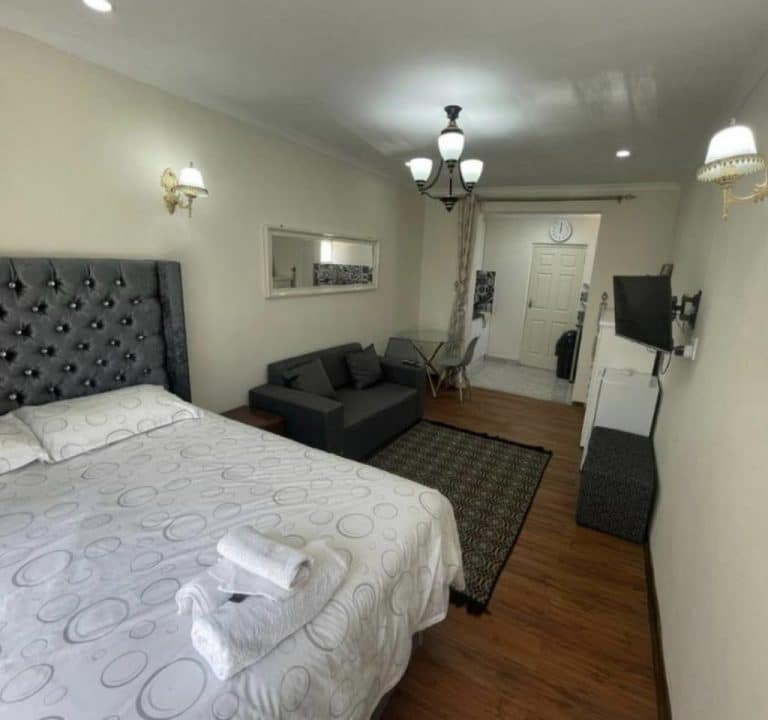
Typical amenities you might expect from well-run guest houses in Cape Town include tasteful, comfortable bedrooms with quality bedding, daily housekeeping, optional breakfast service, and shared lounge areas. Some properties offer guest kitchen facilities or a small veranda where you can enjoy a morning coffee while planning your day. If you’re seeking more local character, many guest houses in and around busy districts will be close to vibrant eateries, markets and street-life, allowing you to experience Cape Town’s multicultural food scene without venturing far from your door.
Best time to visit Cape Town depends on what you want from your trip. The months from September to November and February to April are often pleasant, with milder weather and fewer crowds than peak summer. Summer (December to February) brings long days and sea temperatures that invite beach days, but it can be busier and more expensive. The winter period (May to August) is cooler and rainier, yet offers a green backdrop and reduced rates in many guest houses, which can be appealing for city sightseeing and nearby wine country explorations.
Attractions and experiences, in general terms, include the natural beauty of Table Mountain and the surrounding national park, which can be explored via cable car rides or hikes depending on your level of activity. The city’s harbour area and waterfront open-air spaces provide walkable routes, views of the ocean, and access to museums and galleries. Beyond the city, the Cape Peninsula offers dramatic coastal scenery, lighthouse viewpoints, and world-renowned wine estates within a short drive. Cultural experiences might feature local markets, craft shops and neighbourhood eateries that showcase Cape flavours and hospitality without needing to plan elaborate itineraries.
Restaurants across Cape Town range from casual beachfront cafés to refined eateries with a strong emphasis on South African produce and global influences. It’s common to find menus that highlight fresh seafood, farm-to-table ingredients, and seasonal vegetables. When planning meals, you can opt for the convenience of a guest house that offers breakfast or dinner options, or venture out to explore nearby districts for a broader range of dining experiences. Booking ahead is sensible in peak seasons, especially in popular areas along the Atlantic Seaboard and in the city centre.
Practical planning tips:
- Book accommodation with flexible cancellation where possible, especially if your plans might shift due to weather or events.
- Check transport access from your base to key sights and regional day trips (e.g., wine regions, penguin colonies, or mountains) to avoid long waits during peak periods.
- Pack a light layer for cool mornings and evenings, plus sun protection for daytime outdoor activities.
- Consider time for spontaneous exploration: strolls along the waterfront, markets, or a scenic drive along the coast can be as memorable as paid tours.
- Respect local customs and environmental guidelines, particularly in nature areas and protected reserves.
With a thoughtfully chosen base and a flexible plan, Cape Town offers a well-rounded blend of comfort, scenery and cultural experiences. Whether you opt for a guest house in a bustling city enclave or a serene retreat near wine country and coast, you’ll find welcoming hospitality and plenty to see and taste. For more about one example of accommodation that embodies the guest-house experience in Cape Town, visit the property page at http://ekimaguesthouse.com/.