Cape Town: accommodation planning, standout stays and essential attractions
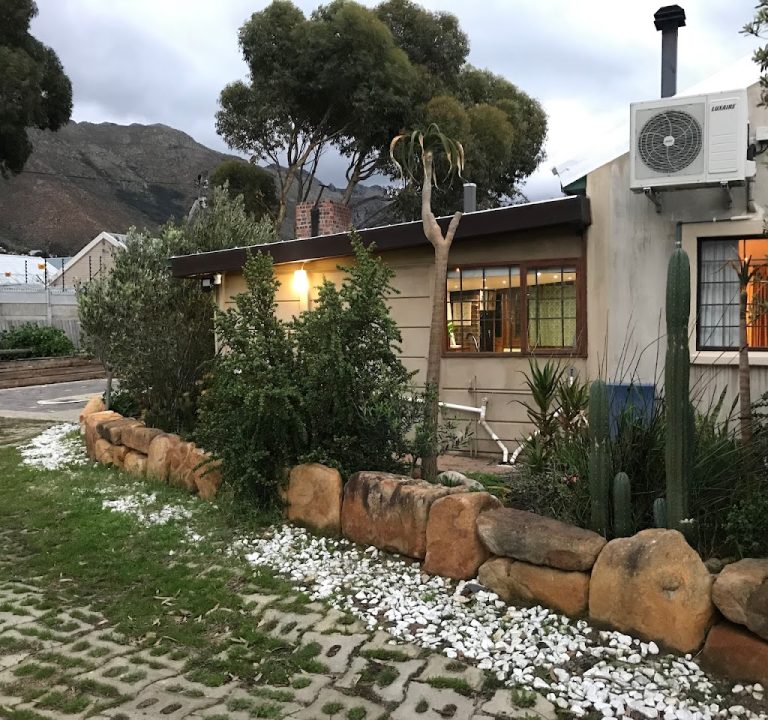
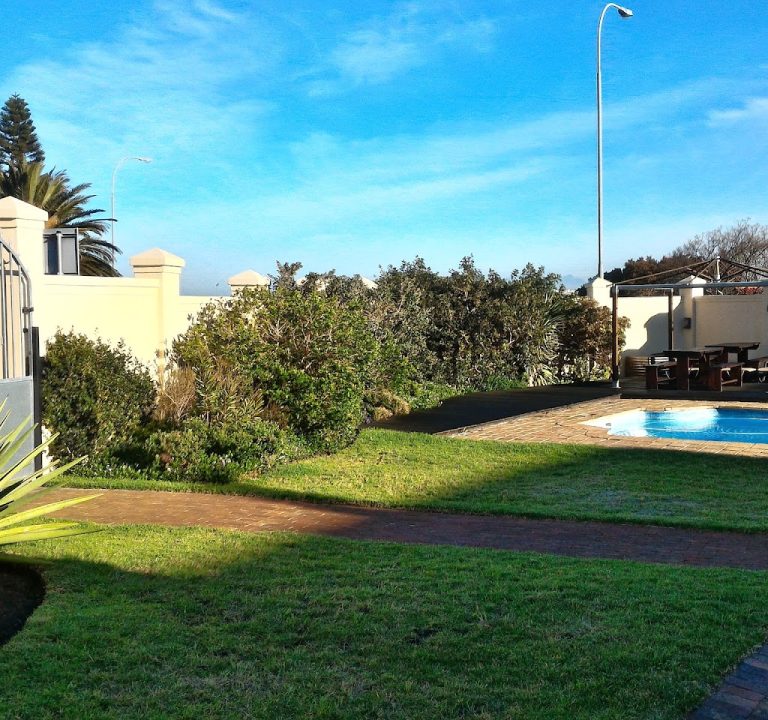
Cape Town, set against the dramatic backdrop of Table Mountain and the Atlantic Ocean, offers a diverse range of places to stay, from chic city apartments to laid‑back coastal lodges. When planning a visit, start by prioritising the neighbourhoods that suit your style and the kind of experiences you want to enjoy. Whether you crave cosmopolitan convenience in the City Bowl, dramatic sea views in Camps Bay, or leafy calm in Constantia, there are self‑catering options, guesthouses and boutique hotels to match every pocket and itinerary.
For those considering self‑catering, areas such as Gardens, the upper part of the City Centre, and the Atlantic Seaboard provide convenient access to shops, markets and scenic walks. Self‑catering apartments can offer practical advantages for longer stays, family trips or travellers who prefer to rise to their own rhythms. A well‑located option, such as Eight on Garden in the Gardens area, can provide a central base with easy access to major sights and reliable transport links.
Booking the right accommodation hinges on a few practical checks. Look for clear, up‑to‑date listings with recent guest feedback. Proximity to reliable transport is key in a city with hilly terrain and popular sights spread along the coast. If you are renting a self‑catering unit, confirm the kitchen facilities, laundry access, and whether there is off‑street parking. Consider whether you’ll need a lift or ground‑floor access, especially for guests with mobility requirements. Finally, assess what the neighbourhood offers after dark and how easy it is to reach eateries, markets and parks without relying on long drives.
Typical amenities that travellers value include a well‑equipped kitchen, a comfortable living area, strong wi‑fi, secure access or a safe building, and clear guest guidance on local transport and attractions. Many properties in Cape Town provide features that enhance a longer stay, such as washing facilities, dedicated desk space for remote work, and flexible check‑in arrangements. If you are travelling during peak seasons, pre‑book where possible and consider moving slightly inland or to less busy coastal pockets to secure better value and quieter surroundings.
Transport in Cape Town is workable for most visitors. The MyCiTi rapid bus system covers a wide area and can be an affordable option for jumping between the city, the Waterfront, and some seaside suburbs. For day trips to the Cape Peninsula or Constantia, a rental car offers flexibility, although guided tours and private drivers are commonly available and can be a convenient alternative. Some guesthouses and self‑catering properties provide easy parking or convenient pickup points for tours, which can save time and hassle during a busy sightseeing schedule.
Best time to visit Cape Town is shaped by weather patterns and your preferred vibe. Spring (September to November) and autumn (March to May) offer mild temperatures and lighter crowds, making it ideal for exploring tableland trails, gardens, and coastal walks. Summer (December to February) brings longer days and more lively seaside atmospheres, but also higher demand for lodging near the beaches. Winter (June to August) is cooler and wetter, yet often quieter and more affordable, with plenty of cosy dining and indoor activities on offer.
When planning your itinerary, balance natural attractions with cultural and culinary highlights. Iconic experiences include taking a cable car up Table Mountain for panoramic views, visiting the historic Robben Island site, and enjoying the green expanses of Kirstenbosch National Botanical Garden. The Cape Peninsula coastal drive offers dramatic scenery, while the Cape Point reserve presents rugged landscapes and scenic viewpoints. For a flavour of city life, the V&A Waterfront combines modern shopping with maritime history, and the surrounding streets are dotted with galleries, markets and cafés. Wildlife enthusiasts may wish to observe penguin colonies at Boulders Beach or explore marine life along the coastline through guided marine tours. In keeping with responsible travel, choose operators with sustainable practices and respect for local communities and ecosystems.
Eating out in Cape Town is a highlight, with waves of casual eateries and refined restaurants that showcase South African produce and influences from across the globe. In general terms, you’ll find options ranging from fresh seafood and award‑worthy grills to vibrant cafés serving light lunches and hearty breakfasts. When researching where to dine, consider location relative to your stay, the atmosphere you want (informal versus more formal), and whether the restaurant supports local growers and small suppliers. Many visitors pair a restaurant visit with an easy walk or a short drive back to their accommodation after a day of sightseeing.
Here are some practical planning tips to help you book confidently and optimise your stay:
- Prioritise comfort and practicality: ensure the space has a well‑equipped kitchen, reliable wi‑fi, and clear instructions for access and local transit.
- Assess transport needs: consider proximity to MyCiTi routes or major roads if you plan day trips by car or taxi.
- Check reviews for consistency: look for honest reflections on noise levels, cleanliness, and responsiveness of hosts or managers.
- Be realistic about your pace: Cape Town can be geographically expansive, so plan a sensible number of sights per day to avoid fatigue.
- Prepare for seasons: pack layers for changing conditions, especially along the coast where winds and temperatures fluctuate.
Ultimately, Cape Town rewards travellers who blend confident planning with a sense of adventure. Whether you choose a stylish self‑catering apartment in a bustling hub or a serene guesthouse overlooking vineyards and hills, you’ll find a launchpad for memorable experiences that reflect the city’s natural beauty, rich culture and warm hospitality.