Cape Town: Where to Stay, What to See, and How to Plan Your Visit
Cape Town blends natural splendour with a cosmopolitan pulse, making it a favourite for travellers seeking varied experiences in a compact footprint. Whether you’re after a cosy guesthouse, a stylish boutique hotel, or a self-catering apartment, the city offers accommodation that suits every budget and mood. When planning a stay, think about what you want to prioritise—mountain landscapes, coastal scenery, restaurant scenes, or easy access to city sights—and choose a base that minimises long daily transfers while keeping you close to your interests.
Accommodation options in Cape Town span guesthouses, B&Bs, boutique hotels, and self-catering apartments. Guesthouses and B&Bs in the city centre and nearby neighbourhoods tend to offer a personable atmosphere and easy commuter routes, while boutique hotels along the Atlantic Seaboard provide coastal views and a more polished service. If you prefer a quieter ambience with outdoor space, consider the Constantia Valley or later-found green suburbs, where large gardens and easy parking can be a bonus. For a taste of culture, inner-city stays near the historic parts of town place you within walking distance of museums, markets, and diverse eateries.
When choosing accommodation, pay attention to a few practical areas. Location is essential in Cape Town, where traffic can be congested and hills demand energy. Look for properties within walking distance or a short ride to your planned activities, or near reliable public transport routes. Check if the property offers shuttle services or parking, and whether kitchen facilities, laundry, or a daily housekeeping option are included if you need flexibility. If you’re sensitive to noise, ask about room positions (upper floors or rooms away from main thoroughfares often suffer less bustle). Finally, verify what is included in the rate—free Wi‑Fi, breakfast arrangements, and access to common spaces can significantly influence your daily plan and budget.
Typical amenities you might expect include en-suite bathrooms, air conditioning or heating, secure entry, a comfortable lounge or communal area, complimentary tea and coffee, and a friendly staff presence that can help tailor your itinerary. Some properties offer organised experiences, from guided hikes along the slopes of Table Mountain to wine-tasting trips in nearby Constantia. For families or longer stays, self-catering apartments or larger rooms with kitchen facilities are a practical option.
Getting around Cape Town is straightforward but varies with geography. The MyCiTi bus network covers many central routes and coastal corridors, making it a convenient option for sightseeing without driving. Uber and other ride-hailing services are widely available, particularly in urban areas, though residents often recommend a mix of car hire for day trips to the Cape Winelands or the Cape Peninsula, where public transport is less comprehensive. If you’re staying near the V&A Waterfront or the City Bowl, you’ll be well-positioned to explore on foot or by short taxi rides to galleries, markets, and restaurants.
The best time to visit Cape Town depends on what you want from your trip. The city experiences its peak visitor season in the southern hemisphere’s summer (roughly November to February), when the days are long, the water is warmer, and outdoor activities are at their best. Spring and autumn offer milder temperatures and fewer crowds, making it ideal for hiking up Table Mountain or exploring the Cape’s nature reserves without the peak-season bustle. Winter (May to August) brings cooler weather and the possibility of rain, but it can also be a good time for indoor pursuits, atmospheric restaurant scenes, and less crowded attractions.
Top acts of planning include booking ahead for popular experiences and researching area-specific tips. If you intend to visit Cape Town’s iconic mountain, remember the weather can shift quickly—packing a light rain layer and sturdy footwear is wise. Book a reputable guide or take a formal tour for a deeper understanding of the region’s geology, flora, and history. When dining out, Cape Town’s restaurant scene ranges from casual seafood shacks to contemporary fine dining; making reservations ahead, especially on weekends, helps ensure you secure a table in preferred locations.
For a well-rounded stay, consider a base in or near these areas:
- City Centre and Green Point: convenient for museums, markets, university areas, and easy access to public transport.
- Atlantic Seaboard (Camps Bay, Clifton, Sea Point): scenic coastline, beach access, and plenty of chic eateries nearby.
- Bo-Kaap and the V&A Waterfront: cultural experiences, iconic viewpoints, and a gateway to boat and harbour activities.
- Constantia and the Southern Suburbs: quieter residential streets, historic estates, and wine-tasting experiences within reach.
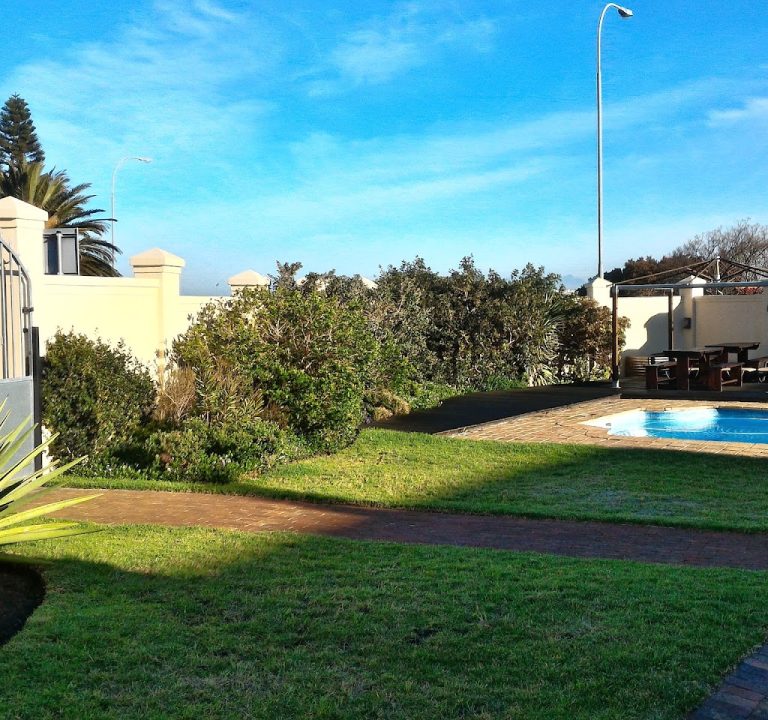
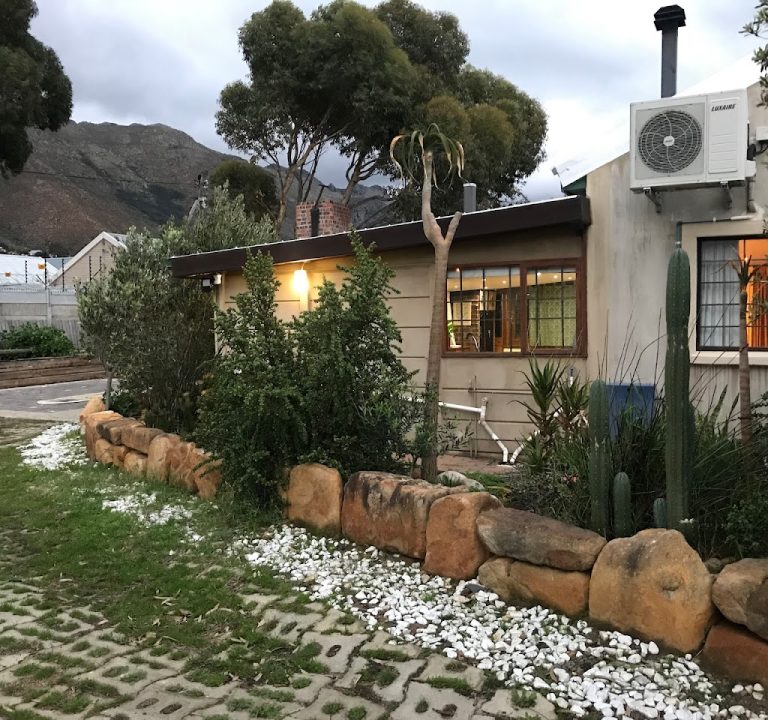
As a practical example of a guesthouse option, Cap Ou Pas Cap Guesthouse offers a welcoming base with the charm of a traditional guesthouse experience and convenient access to popular sights and routes. You can explore the property’s details and book through its official website at Cap Ou Pas Cap Guesthouse. It serves as a reminder that historic and characterful stays can provide comfort, handy locations, and stylish interiors that enhance a Cape Town visit.
Finally, plan with flexibility in mind. Cape Town’s landscapes and seasons reward slow travel—allow time for scenic drives along the coast, hikes up to mountain viewpoints, and lingering in markets or arcades to sample local foods and crafts. With thoughtful planning, your stay in Cape Town can balance restful lodging with immersive experiences, letting you savour both the grandeur of the scenery and the warmth of its hospitality.