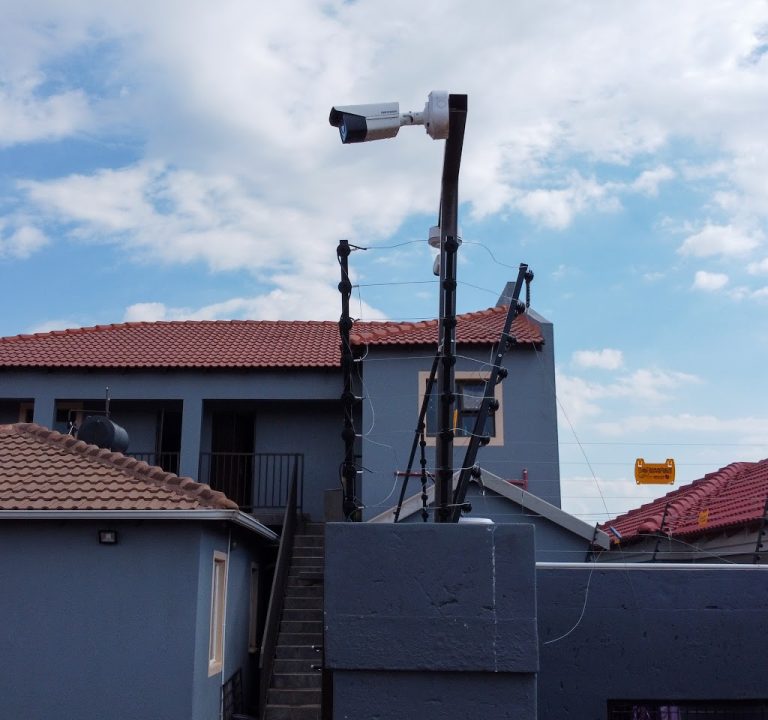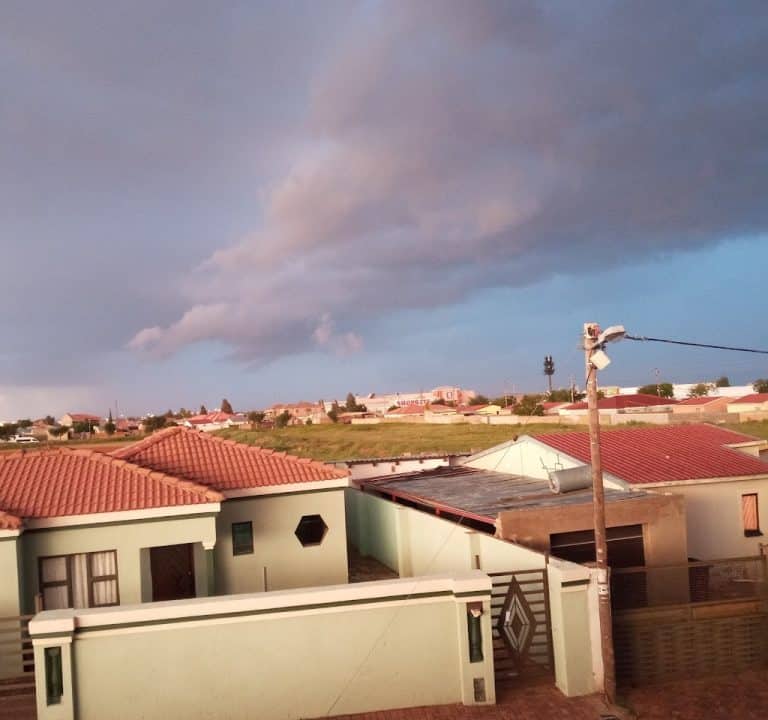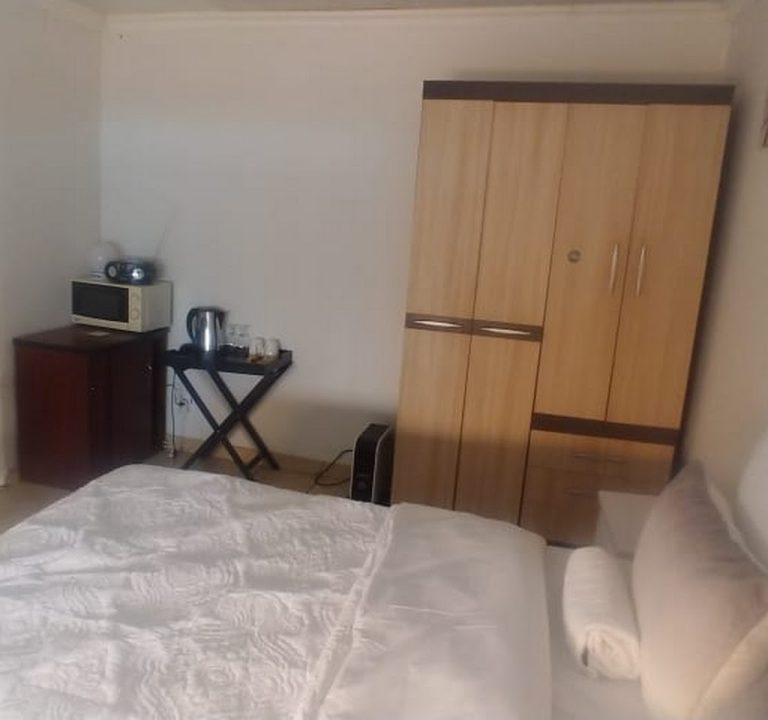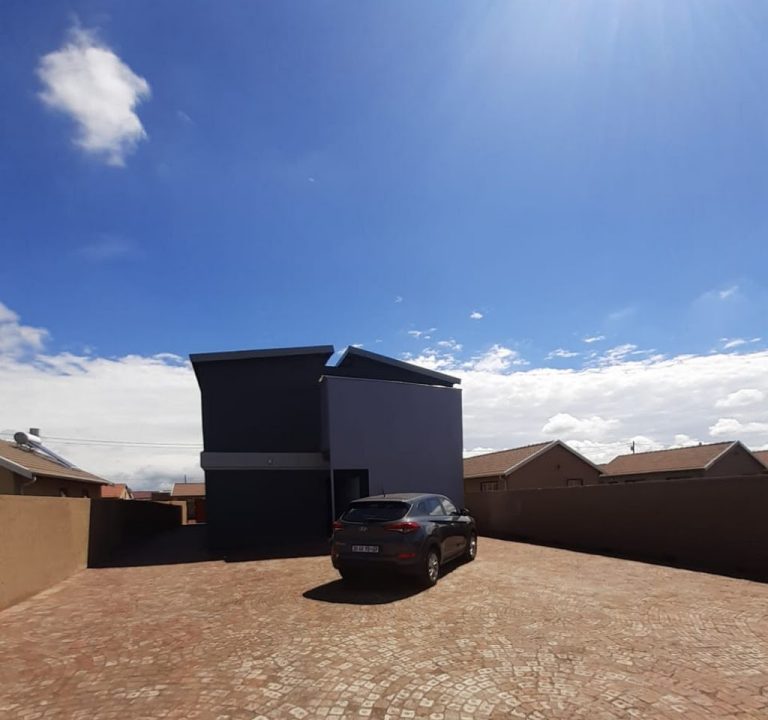
Dzuni Guesthouse is a Holiday apartment rental establishment in Soweto, Gauteng, South Africa
About Dzuni Guesthouse, Soweto
Dzuni Guesthouse occupies a notable corner of Soweto, Gauteng, offering a base for travellers seeking to explore one of South Africa’s most venerated urban landscapes. The information currently available on the official site is limited, with the page returning a 404 error. As such, exact details about room types, on-site facilities, policies, or pricing are not readily accessible from that source.
From a broader perspective, guesthouses in Soweto are often valued for their approachable, community-oriented ambience and for providing a gateway to authentic local experiences. Dzuni Guesthouse is positioned within this tradition, with guests typically drawn to a stay that balances comfort with convenient access to the neighbourhood’s cultural landmarks, markets, and eateries. The accommodation style tends to emphasise a homely atmosphere, where travellers can feel welcomed and treated as part of a neighbourhood rather than as distant guests in a hotel.
Where amenities are clearly described on similar properties, typical features include thoughtfully appointed bedrooms, shared or private living spaces, and opportunities to sample regional flavours. In the case of Dzuni Guesthouse, any such offerings—should they be available—would ideally align with a traveller’s desire for a relaxed, low-key stay that prioritises ease of movement around Soweto and connection with local hosts or guides. Without concrete, site-specific details from the official page, prospective guests are advised to consult the live site for the latest information on what is included during a stay and what additional services might be accessible.
For travellers planning a visit, Dzuni Guesthouse can be a practical option for those seeking a stay that is embedded in the daily life of Soweto rather than a destination unto itself. The surrounding area is renowned for its history, vibrant street life, and a range of cultural touchpoints. A stay here can serve as a comfortable home base from which to arrange day trips, guided experiences, or self-guided explorations into the township’s many stories.
In terms of who this type of accommodation most readily serves, guests who value an informal, approachable environment may find Dzuni Guesthouse appealing. The setting often suits international travellers looking to engage more deeply with the local context, as well as families or groups who appreciate a modest, convivial base from which to navigate the area together. However, without explicit information on room configurations, dining options, or accessibility features, it remains prudent for potential guests to verify specifics before booking.
Nearby highlights commonly associated with Soweto include historic sites, markets, and the macro-community atmosphere that defines the neighbourhood. While the exact proximity to individual attractions for Dzuni Guesthouse cannot be confirmed through the current page, staying in Soweto typically offers opportunities to explore significant locations, enjoy street chatter and collectable art, and experience the rhythms of daily township life. Interested visitors should plan ahead to confirm opening times, access routes, and any guided experiences that can be arranged through the guesthouse or local operators.
Booking and travel tips:
- Check the official site for the most up-to-date room availability, rates, and policies before making arrangements.
- Review recent guest reviews elsewhere if available, to gauge consistency of service, cleanliness, and reliability of bookings.
- Consider coordinating airport or train transfers in advance, and ask whether the guesthouse can assist with guidance on local transit or safe transport options.
- Plan a few local experiences or self-guided days to maximise time in Soweto, while allowing room for unplanned discoveries.
- Remember to confirm what dining options are available on-site or nearby, and whether breakfast or meals are included with the stay.
For the most accurate, current information, visitors should visit the official Dzuni Guesthouse site at the provided web address and explore booking links or contact options listed there. The page offered via the site is the primary reference point for official details, ensuring that travellers obtain the latest availability, amenities, and policies before finalising arrangements.
Soweto
Gauteng
1818
South Africa


Exploring Soweto: Where to stay, what to do, and how to plan your visit
Soweto, a historic and vibrant part of Gauteng, offers a compelling balance of culture, history, and modern South African life. When planning a stay, choosing the right neighbourhood can shape your experience—from buzzing urban streets to quieter residential pockets. The area accessible from central Johannesburg is well connected by road and rail, making it feasible to combine a Soweto base with day trips to nearby attractions and other parts of Gauteng.
Accommodation options range from family-run BnBs and guesthouses to holiday apartment rentals and boutique lodges. In Soweto, many travellers favour spots that combine comfort with a sense of place—homes and hostels that feel like a home away from home, often with easy access to local markets, eateries, and public transport. For a quiet, homely base, consider a holiday apartment rental that offers self-catering facilities, a practical choice for longer stays or for guests who appreciate flexibility with meal times. If you prefer a more intimate setting, a guesthouse with friendly hosts can provide personalised recommendations and insider tips on navigating the neighbourhood.
When selecting where to stay, look for these features:
- Proximity to major transport links, such as bus routes, taxis, or rail stations, to simplify getting around.
- Nearby supermarkets or easy access to eateries for convenience and value.
- Safe, well-lit surroundings and clear entry points into the building or compound.
- Good ventilation and reliable bedding and heating/air conditioning for comfort across seasons.
- Clear information about check-in procedures, parking, and on-site security measures.
Typical amenities you might expect include private or en-suite facilities, Wi-Fi, kitchen or kitchenette access, and spaces to rest after a day of exploring. Some properties offer curated experiences or guided tours, which can be highly worthwhile for first-time visitors looking to understand Soweto’s history, culture, and food scene. If you’re travelling with family or a group, look for larger living spaces, flexible sleeping arrangements, and equipment for children if needed.
Practical planning tips for a Soweto stay:
- Book in advance during peak travel seasons and public holidays when demand increases.
- Share a rough itinerary with your accommodation host so they can tailor recommendations and help with safe transport options after dark.
- Arrive with a clear understanding of which areas you’ll visit by day and how you’ll move between them, as some parts are more convenient than others depending on your plans.
- Pack comfortable walking shoes, sun protection, and a light jacket for cooler evenings.
- Respect local customs and ask for guidance on respectful photography, particularly around residential areas and community projects.
Best time to visit Soweto tends to be autumn (March to May) and spring (September to November) when the weather is mild and outdoor activities are most enjoyable. The region experiences a subtropical climate, with warm summers and cooler evenings. If you’re planning a longer stay, consider how school holidays or major cultural events may affect crowd levels and pricing for accommodation and experiences.
In terms of attractions, Soweto invites contemplation and curiosity in equal measure. Visitors often start with accessible heritage sites that tell stories of resilience and change, and they may add a walking or guided drive to understand the layout of the township—its storied streets, markets, and public spaces. While exploring, you’ll encounter street art, local markets, and community venues that reflect everyday life as well as ongoing efforts to preserve history and support modern creativity. For a balanced visit, couple historical insights with opportunities to enjoy current community-led initiatives, music, and cuisine in welcoming settings.
Dining and social experiences in Soweto are as varied as the neighbourhoods themselves. Expect casual eateries serving traditional favourites alongside modern eateries that showcase fusion influences. Many venues prioritise fresh, locally sourced ingredients, and a slow-food sensibility that highlights regional flavours. When planning meals, consider combining a self-catering base with occasional meals out at recommended neighbourhood spots to sample a range of dishes and atmospheres. Do check opening times in advance, since some smaller venues may have variable hours outside peak periods.
Accommodation that leans into the guest’s sense of place often includes hosts who can offer tips on local transport options, safe routes for walking between sights, and lightweight itineraries for days when you want a relaxed pace. For those seeking a dedicated base with distinctive character, Dzuni Guesthouse is one example of a holiday apartment rental that provides a convenient home base with easy access to central Soweto’s sights. More information is available via its official website.
To help you get started with planning, here are a few practical suggestions:
- Choose a base that keeps daily travel simple while placing you within easy reach of your must-see sites.
- Factor in one or two days for guided experiences to gain context beyond the standard visitor routes.
- Balance historical outings with time to enjoy the modern side of Soweto—the markets, art, music, and dining scenes.
- Consider a short stay in a well-connected neighbourhood if you prefer cost-effective, flexible itineraries.
Whether you’re drawn by history, culture, or a welcoming sense of community, Soweto offers a thoughtful blend of experiences. With careful planning, comfortable accommodation, and a flexible timetable, your stay can be both informative and refreshingly relaxed. For the latest details about specific properties and practicalities, visiting the accommodation’s official website is a good starting point, and there are many additional local resources to help craft a memorable visit.
Sorry, no records were found. Please adjust your search criteria and try again.
Sorry, unable to load the Maps API.
Why Claim Your Listing?
Claiming your listing on the B&B Finder directory website is a valuable opportunity for business owners. Here are five reasons why you should consider claiming your listings:
Control Over Business Information: By claiming their listing, business owners can ensure that all the information presented is accurate and up-to-date. This includes details such as contact information, address, pricing, and available services or amenities. Accurate information helps prevent customer confusion and improves overall satisfaction.
Enhance the Listing: Once a listing is claimed, owners can enhance it by adding more comprehensive information and rich media, like high-quality photos and videos. These additions can make the listing more attractive and engaging to potential customers, thereby increasing the likelihood of bookings.
Marketing Opportunities: Claiming a listing can also open up additional marketing opportunities. Owners may be able to participate in promotional campaigns, special offers, and other marketing activities organized by the directory. This can increase visibility and attract more customers to the business.