Where to stay in Cape Town and how to plan your visit
Cape Town sits on the western edge of the Cape Peninsula and offers a wide range of places to stay, from intimate guest houses to stylish boutique hotels and self‑catering apartments. When planning a visit, consider the rhythm of the city’s neighbourhoods as you map out your days: the central heart of the City Bowl, the iconic shoreline of the Atlantic Seaboard, the leafy hills of Constantia, and the historic enclaves of Bo‑Kaap and Green Point. A well‑judged mix of locations can help you maximise sights, dining and sunlit moments along the coast.
Accommodation in Cape Town typically centres on a few core areas. The City Bowl and De Waterkant are convenient for museums, markets and easy access to MyCiTi buses and rideshare routes. The Atlantic Seaboard—Camps Bay, Clifton and Green Point—offers dramatic ocean views and beach access, with many rooms designed to capture the sunrise over the Atlantic. Constantia appeals to guests seeking tranquillity among vineyards and nature, while nested suburbs such as Observatory and Woodstock provide a bohemian vibe with easy transport to the city centre. For wildlife or maritime interests, convenient stays near Simon’s Town or Hout Bay can balance day trips with restful evenings back at your guest house or hotel.
When choosing where to stay, look for a few practical fundamentals. Seek a comfortable bed and a quiet room, reliable hot water, good heating or cooling, and secure access. Proximity to public transport, taxi services, or parking if you are driving is worth noting, especially in busy seasons. If you plan to explore the Peninsula, a location with easy access to coastal routes or the Docklands area can save time. For families or longer visits, consider properties offering self‑catering facilities, laundry access, and clear, upfront information about nearby supermarkets, cafés and medical services.
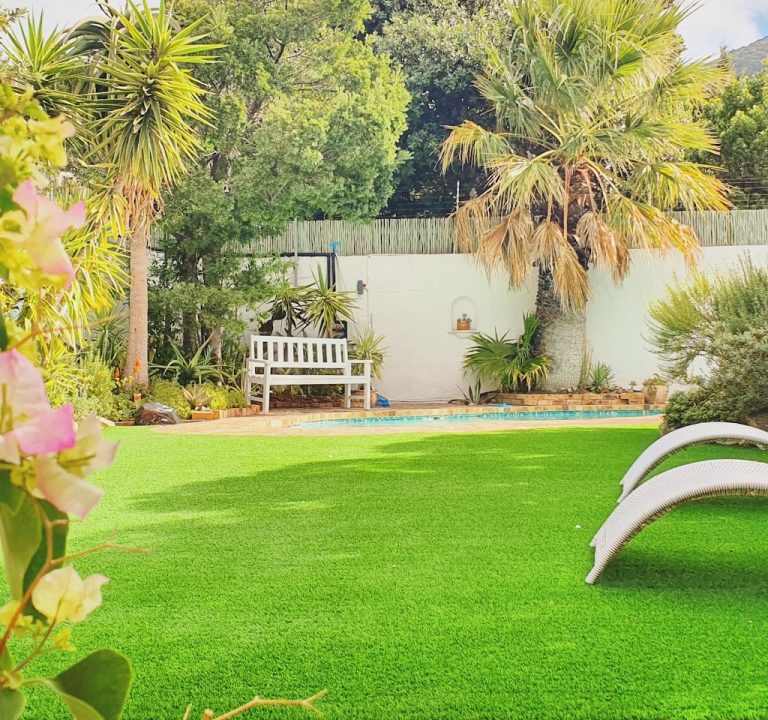
Typical amenities to expect include free Wi‑Fi, daily housekeeping or selective cleaning services, and breakfast options—ranging from light continental spreads to full cooked breakfasts. Dune Lodge, a guest house in the area, can illustrate the kind of intimate, personalised stays many travellers seek: small, well‑located properties with thoughtfully curated spaces and friendly hosts. It is worth checking whether your accommodation provides convenient kitchen access, secure parking, luggage storage, and flexible check‑in arrangements, especially if you anticipate late arrivals or early departures.
Transport in Cape Town is practical but varies by area. In the central zones, you’ll find reliable public transport, rideshare options, and walkable streets with cafes and shops. The Atlantic Seaboard benefits from scenic drives along the ocean and easy beach access, though parking can be limited at peak times. If you’re exploring wine estates in Constantia, a car is typically the simplest way to move between vineyards, while guided day tours can reduce the hassle of navigation. Always verify whether your stay offers secure parking or recommendations for trusted local transport, and be prepared for occasional roadworks near busy routes during peak visiting seasons.
The best time to visit Cape Town depends on your priorities. South Africa’s summer (December to February) brings long days and excellent sailing, beach life, and outdoor markets, but it can be busier and pricier. Autumn (March to May) offers milder weather, fewer crowds, and the chance to enjoy gardens and scenic hikes comfortably. Winter (June to August) is cooler and wetter, yet the city’s indoor attractions—museums, galleries and vibrant food scenes—remain lively. Spring (September and October) showcases blooming flora, especially around Kirstenbosch, and pleasant temperatures for outdoor explorations. Consider shoulder seasons for better value and more relaxed experiences, particularly if you are keen on photography or nature walks in the Peninsula’s rugged landscapes.
Must‑do experiences in and around Cape Town include a cable car ride up Table Mountain for panoramic city views, a visit to the V&A Waterfront for harbour ambience and markets, and excursions to Cape Point and the Cape of Good Hope. The Winelands nearby offer refined tastings and scenic vineyard lunches, while the Cape Town neighbourhoods themselves invite wandering through markets, bakeries, and casual eateries that celebrate South African flavours. Dining ranges from vibrant street‑style fare to contemporary bistros and seafood houses along the coast. When planning meals, a mix of casual day‑time spots and a couple of special dinners can balance activity with rest.
Practical planning tips for visitors. Book accommodation well in advance for peak season and major events, and always confirm cancellation policies in writing. Check whether your host or hotel provides airport transfers or how easy it is to arrange a taxi or ride‑hail on arrival. Pack for varying conditions: layered clothing works well in Cape Town’s microclimates, with cooler mornings and evenings even in summer. Bring a portable phone charger for long day trips, a comfortable pair of walking shoes, and a reusable water bottle for sightseeing and walks in parks or along the coastline. Finally, explore site‑specific information on official tourism pages to fine‑tune your itinerary and discover local experiences, markets, and seasonal happenings: https://www.capetown.travel/.
- Ask about breakfast and kitchen facilities, parking arrangements, and accessibility options
- Check location relative to your planned attractions and transport links
- Clarify cancellation and refund policies in writing
- Inquire about on‑site facilities such as laundry, wifi reliability, and guest lounge spaces
- Request guidance on worthwhile day trips and safe routes for walking at night