Discovering Cape Town: where to stay and how to plan your visit
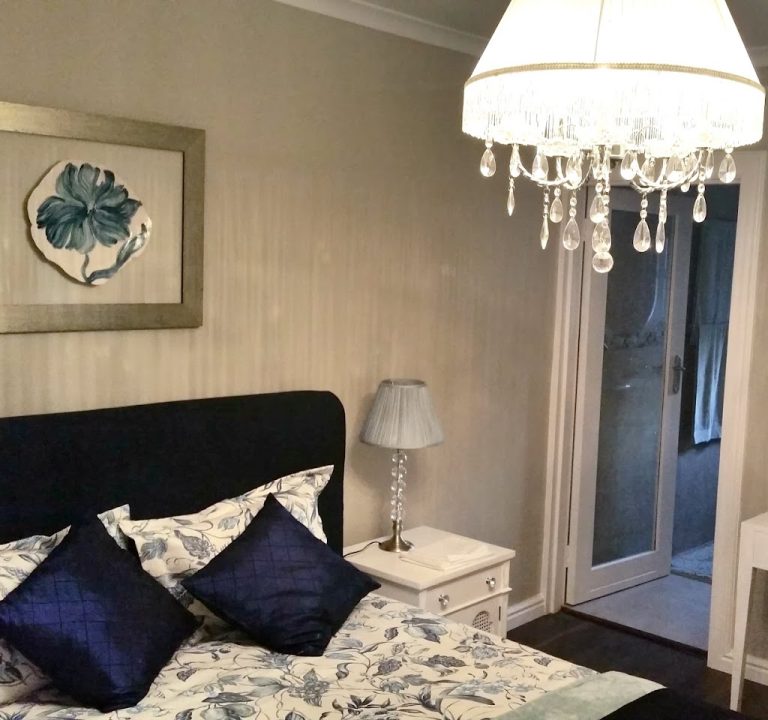
Cape Town, set between the ocean and the iconic Table Mountain, offers a diverse mix of neighbourhoods, each with its own character and easy access to sights, dining and cultural experiences. When choosing accommodation, consider what matters most for your trip—scenic views, proximity to beaches, quick access to the city centre, or a quiet, leafy hillside setting. From modern boutique hotels to traditional guest houses, there are options to suit every style and budget. A good example within the guest house sector is Dolliwarie Guest House, which illustrates the charm and personalised service you can expect from smaller properties in residential areas.
Areas to consider include the City Centre and the V&A Waterfront for easy dining, shopping and nightlife access, the Atlantic Seaboard (Camps Bay and Clifton) for postcard-perfect beaches and sunset scenery, and the neighbourhoods of Green Point and the vibrant Bo-Kaap for culture and walking access to attractions. Constantia and the southern suburbs offer a quieter, more residential base with leafy scenery and wine-tasting opportunities just a short drive away. When planning, think about how you’ll get around: Cape Town’s hilly terrain makes car hire convenient for exploring beyond the city, while MyCiTi buses and some rail links provide limited but useful public transport options to major sights and suburbs.
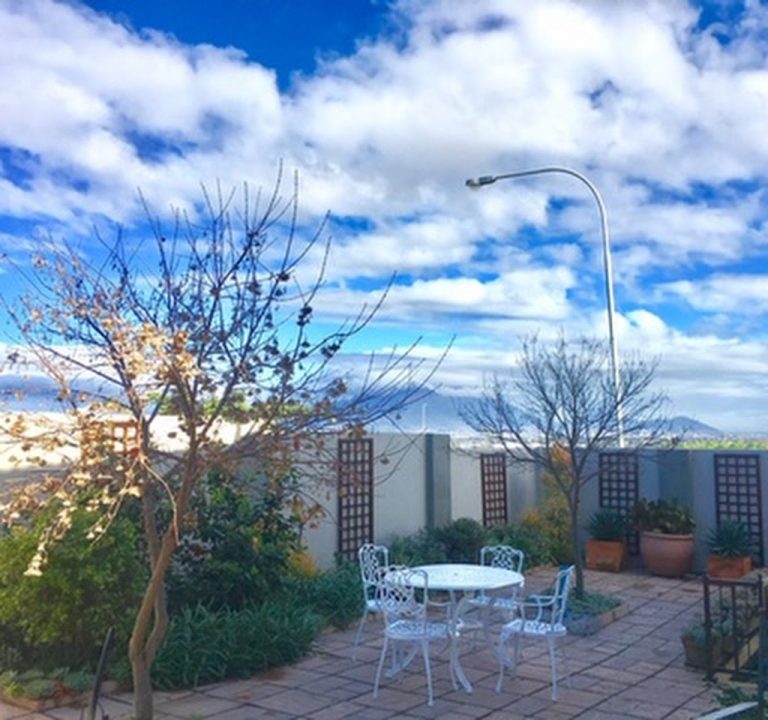
Typical amenities you might expect include a private en-suite bathroom, continental or full breakfast, free Wi‑Fi, air conditioning or heaters, self-catering options or shared kitchen facilities, and secure on-site parking. Many guest houses offer personal touches such as a shaded outdoor area, a pool, or a balcony with sea or mountain views. When reviewing listings, look for thoughtful details that improve your stay, such as flexible check-in arrangements, clear cancellation policies, and information about local transport links and nearby cafés and markets.
To help you plan your stay, here are some practical tips and considerations:
- Best time to visit: South Africa’s spring (September to November) and autumn (March to May) offer mild weather and fewer crowds. Summer can be lively with more outdoor events, while winter (June to August) can be cooler and wetter, though many attractions remain accessible.
- Booking wisely: compare rooms by location relative to your planned activities, and read guest reviews for real-world tips about noise, a quiet night’s sleep, or the reliability of breakfast services.
- Transport planning: if you’re prioritising beaches, lighthouse views, and nature walks, staying near the Atlantic Seaboard or Camps Bay can cut driving time. For city access and dining, the City Centre or Green Point are convenient. Consider a mix of days by car and days using taxis or ride-hailing apps for evenings out.
- Dining and dining-out rhythm: Cape Town’s restaurant scene ranges from classic South African bistros to contemporary places with seasonal menus. In addition to formal meals, explore local cafés and markets for affordable, authentic options.
- Safety and comfort: choose properties with secure access and reliable housekeeping, and be mindful of valuables when exploring busy tourist areas, especially at night.
- Activities to plan ahead: popular nature and city experiences can require advance booking or timed entry, so map out your must-dos—Table Mountain cableway or a harbour cruise, for example—and slot them into your itinerary early.
- Seasonal considerations: if you’re visiting for outdoor adventures, a clear, dry day makes a big difference for hiking and coastal routes. Pack layers, sun protection, and a light rain jacket for variable weather.
Beyond accommodation, Cape Town’s attractions and experiences offer something for every traveller. Iconic landscapes and photo opportunities abound—from dramatic coastal viewpoints along the Atlantic coast to the ease of a cable car ascent near Table Mountain. Cultural experiences sit alongside natural beauty, with historic streets, markets, and seaside suburbs offering charming places to wander, shop for crafts, and sample local bites. When choosing restaurants, you’ll find everything from seafood-focused venues with harbour views to contemporary eateries showcasing South African flavours with modern twists.
For a well-rounded visit, plan to combine a couple of city-based days with a day or two of scenic drives along the coast, a visit to botanical gardens or a wine region just beyond the city limits, and a morning or afternoon in a bustling market or waterfront area. With its blend of hospitality and landscape, Cape Town encourages a relaxed pace: you can enjoy a sunrise over the ocean, a lunch of fresh seafood, a gentle walk through a historic district, and an evening of starlit views before returning to comfortable, well-equipped accommodation.
When selecting a stay, consult the property’s official website for detailed information on room types, breakfast options, and any guest services offered. Links to reputable accommodation providers can help you compare locations, rates, and guest reviews side by side. By balancing location, amenities, and plan-friendly transport options, you’ll be well placed to enjoy Cape Town’s remarkable mix of scenery, cuisine, and culture while staying comfortable and well-connected throughout your visit.