Polokwane, Limpopo: Accommodation, attractions and practical travel planning
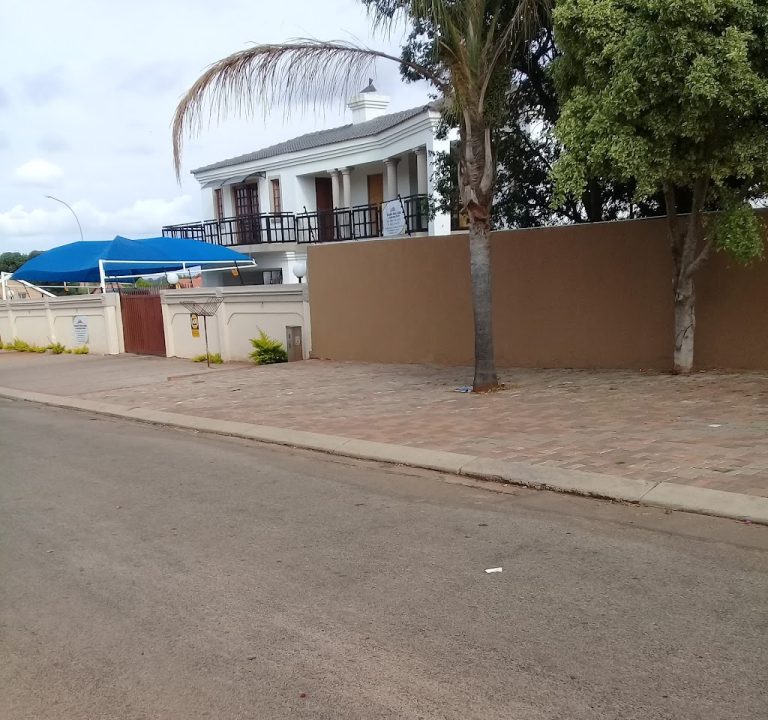
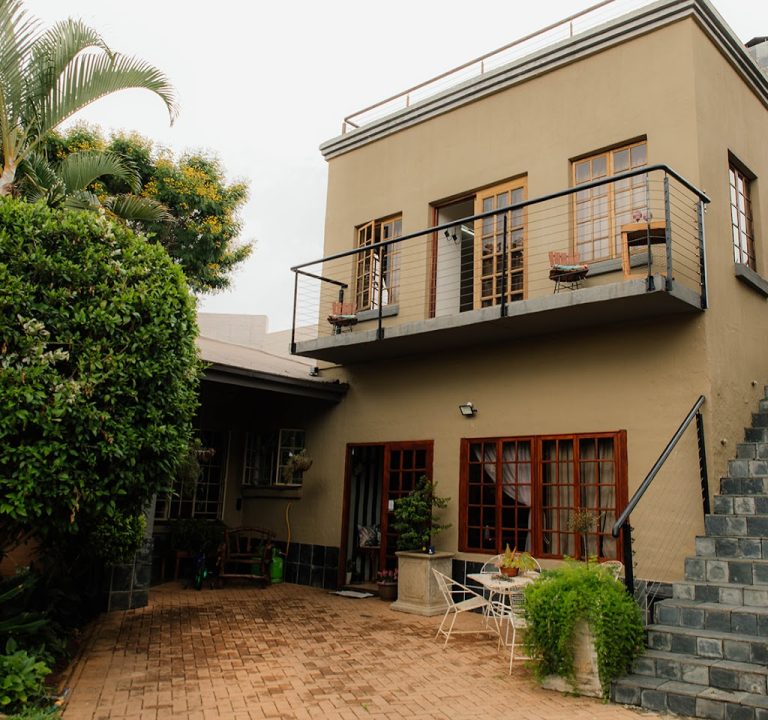
Polokwane, the provincial capital of Limpopo, offers a blend of modern conveniences and gateway familiarity for travellers exploring northeastern South Africa. When planning a stay, consider choosing an area that matches your pace—whether you want easy access to the airport, a central base for day trips, or a quieter neighbourhood near nature reserves. Polokwane’s accommodation options range from contemporary city hotels and guesthouses to mid-week business stays and family-friendly lodges. One example you might encounter is Dimamzo Accommodation, a hotel-style option that aims to provide comfortable, approachable lodging for visitors. Always read recent guest reviews and confirm the amenities that matter most to you, such as parking, breakfast service, or in-room facilities.
Areas to consider for your stay
- City centre and close to the CBD: Ideal for travellers who want quick access to shops, dining, markets and transport links. This area often provides straightforward transfers to nearby attractions and facilities.
- Near the airport or major roads: A practical choice for short visits or early departures. Look for properties offering easy street access, secure parking and reliable reception hours.
- Close to nature and reserves: If wildlife or outdoor activities are a priority, a lodge or guesthouse on the outskirts can offer a more tranquil stay with opportunities for day trips to nearby parks and scenic landscapes.
- Family-friendly pockets: Some suburbs focus on spacious rooms, generous parking, and kid-friendly amenities, which can simplify logistics for groups and families.
What to look for when booking
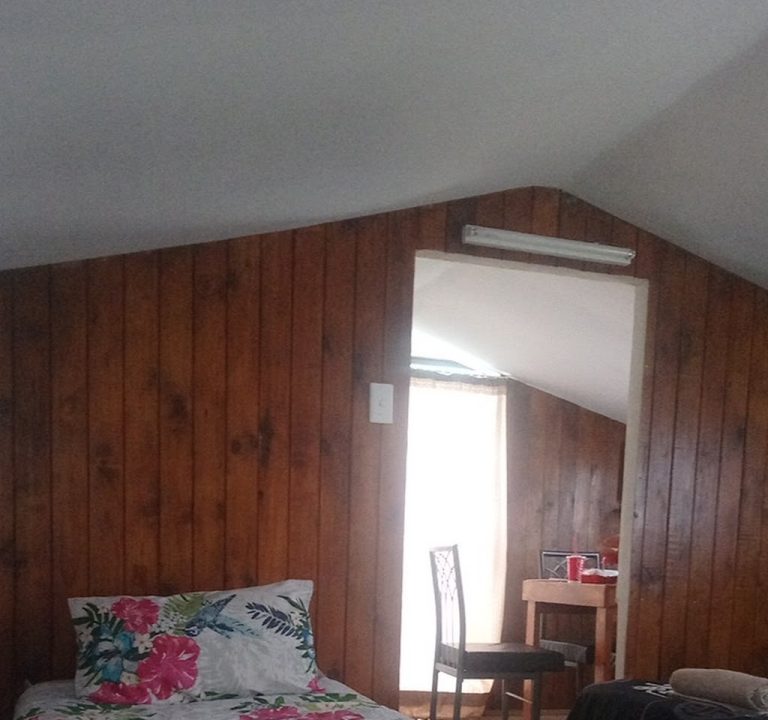
<liClear cancellation policy and flexible dates where possible, especially in peak seasons.- Realistic room description: Check bed sizes, en-suite facilities, air conditioning or ceiling fans, and whether hot drinks facilities or fridges are included.
- Parking options: Secure on-site parking or easy street parking can make a big difference if you are driving or renting a car.
- Access to meals: Some properties offer breakfast or on-site dining; others may be close to a selection of local eateries. If you rely on meals at the property, confirm what is provided and when.
- Wi‑Fi reliability and workspace if you need to work during a stay, as well as charging facilities near beds or desks.
- Safety and security features: reception hours, well-lit entrances, and neighbourhood context can influence comfort levels, especially for solo travellers.
- Transport options: proximity to the airport or major routes, and advice on taxi services or car rental facilities.
Typical amenities you may encounter
- Comfortable en-suite bedrooms, with fans or air conditioning and adequate storage.
- Quiet fellow guests’ policies, unobtrusive housekeeping schedules, and reliable hot water supply.
- Included breakfast or access to self-catering facilities, plus tea and coffee provisions in rooms.
- Secure parking, sometimes with guarded or gated access.
- Business-friendly touches such as workspaces, desks, and accessible power outlets.
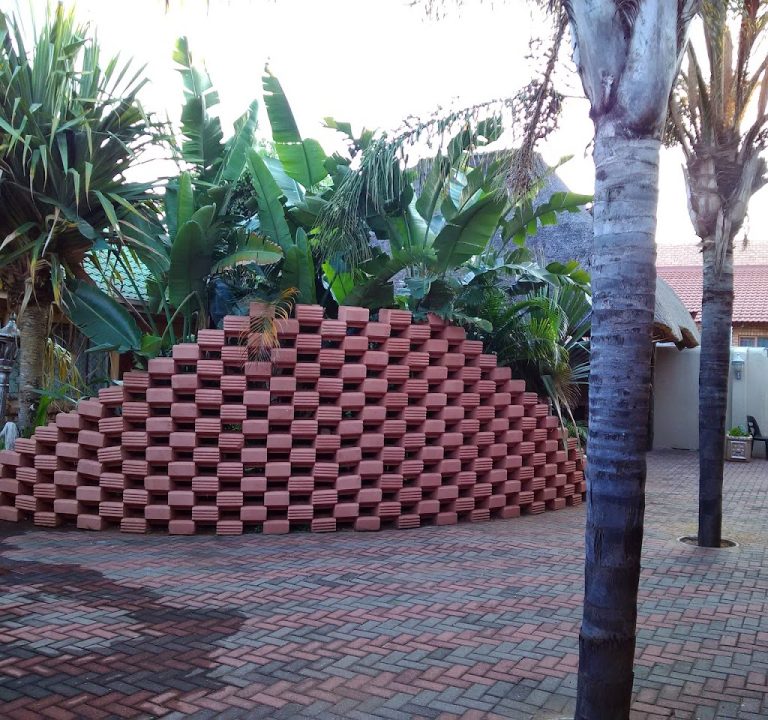
- Outdoor spaces or courtyards where guests can relax between excursions.
Planning your days in and around Polokwane
Polokwane serves as a practical base for wider Limpopo exploration. Within a short drive you can discover cultural sites, regional markets and wildlife encounters that offer a flavour of the province. For nature lovers, day trips to nearby reserves and viewpoints provide opportunities for wildlife watching and photographic moments. If you enjoy museums and heritage, there are institutions and open-air experiences that discuss local history and traditions in approachable ways. When it comes to eating out, the city offers a range of casual and mid-range restaurants, from flavour-rich grills to contemporary eateries, with many offering local favourites alongside international options. To stay informed, consult the official tourism site for current events, markets, and seasonal activities that might coincide with your visit.
Best time to visit and practical tips
The climate in Polokwane varies with the seasons. The drier winter months can be pleasant for outdoor exploration, while the hot summer period is excellent for swimming and enjoying indoor venues during the hottest parts of the day. Shoulder seasons often bring lower accommodation rates and fewer crowds, which can be ideal for travellers seeking a relaxed pace. Practical tips include planning ahead for long drives between attractions, packing lightweight layers for day-to-night temperature changes, and arranging airport transfers or car hire in advance to maximise time on the ground.
Getting around
A car is often the most convenient way to explore Polokwane and its surrounds, giving you flexibility to mix city sights with nature outings. If you prefer not to drive, look for accommodation offering airport transfers or easy access to reliable taxi services, and check the proximity to bus routes or shuttle services for day trips. Within town, most areas are walkable for short distances, but use transport for longer hops or after dark in unfamiliar neighbourhoods.
Useful resources to plan a stay in Polokwane include national tourism portals and the local council’s tourism pages, which provide updated information on attractions, routes, and seasonal highlights. For more context and ideas, you can visit official pages such as the Polokwane tourism section and broader South African travel resources at Polokwane Municipality and South Africa National Parks.
In summary, Polokwane offers a balanced mix of comfortable accommodation, practical travel options and access to a variety of attractions. By choosing the right area, understanding typical amenities, and planning around practical transport and seasonal considerations, you can enjoy a rewarding stay in this Limpopo hub.