Accommodation and attractions in L'Agulhas, Western Cape: planning a relaxing stay
L’Agulhas is a small, scenic harbour town at the southern tip of Africa, where the Indian and Atlantic oceans meet. Its compact size is ideal for a relaxed break dedicated to slow travel, with a mix of quaint B&Bs, hillside guesthouses, self-catering cottages and eco-friendly lodges. When planning a stay, think about what you most value in a visit—sea views, easy access to the lighthouse, quiet rural surroundings, or proximity to the harbour and nearby beaches. The following guidance can help you choose a place that fits your priorities and make the most of your time in this windswept, windswept corner of the Western Cape.
Areas to consider
- Harbour and Struisbaai: This area offers a classic coastal village vibe with convenient access to beaches, gentle walks, and fresh seafood. It is great for families and couples who want a lively, walkable base.
- South Coast hinterland: Slightly inland options exist in peaceful, rural settings with larger gardens or farm-stays. These can be ideal for stargazing, walks along fynbos trails, and a slower pace.
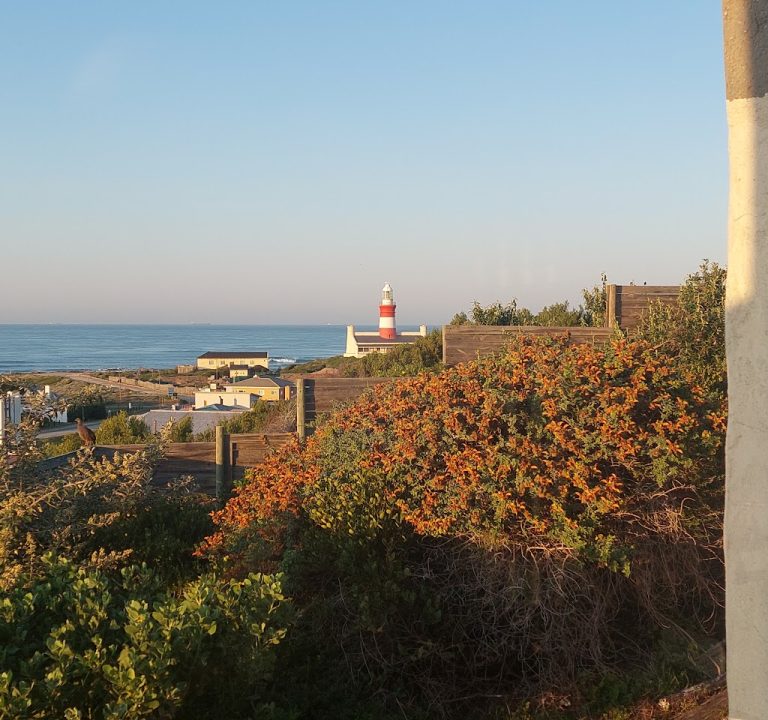
- Near the lighthouse and Cape Agulhas National Park: If your priority is dramatic sea scenery and nature walks, look for accommodations within a short drive of the historic lighthouse and surrounding nature reserves.
Booking considerations
- Book early in peak seasons (school holidays and long weekends) to secure rooms with the best views or preferred bed configurations.
- Read guest reviews for notes on sound levels, early-morning sea breezes, parking arrangements, and access to the property.
- Check whether the property offers self-catering facilities, or if meals are provided, so you can plan your daily schedule around feeding times.
- Consider whether you need indoor heating or warm bedding for cooler evenings, especially if you are visiting in the shoulder seasons.
- Look for flexible cancellation policies and clear information about deposits or balance payments.
Amenities and practicalities
- Typical amenities: en-suite bathrooms, well-equipped kitchens, laundry facilities, off-street parking, and wifi. Many guesthouses offer shared lounges with local guidebooks and maps, which can be useful for planning day trips.
- Transport: A car is usually essential for getting around, as sights and eateries are spread out. Some guesthouses may offer on-site parking or shuttle arrangements to nearby beaches. Public transport is limited in the area, so arranging transfers in advance is wise.
- Food and drink: Expect fresh seafood and seasonal produce in local restaurants. While some accommodations provide breakfast, others offer dinner options or shared kitchen spaces to prepare meals with locally sourced ingredients.
- Wellness and activities: Many stays emphasise a peaceful, restorative stay with options such as spa-style experiences, nature walks, birdwatching, and photography-friendly settings.
Best time to visit
The climate is generally mild, with cooler, windy conditions possible on the coast year-round. Peak whale-watching season runs from about June to December when southern right whales can be seen off the coast. Summer months (December to February) bring pleasant beach weather and longer days for seaside strolls. Spring and autumn are excellent for birdlife and quieter beaches. If you’re chasing sea breezes for windsurfing or kitesurfing, confirm local conditions with your host or a tourism information site before you travel.
What to plan for: activities and experiences
- Coastal walks and nature trails: The surrounding coastline offers rugged beauty, with easy to moderate hikes that suit most levels of fitness. Always check trail conditions and carry water, sun protection, and a hat.
- Historic and cultural interest: The southernmost tip of Africa and the nearby lighthouse are popular for photography and a sense of place. Some guided visits may be available through accommodation hosts or local operators.
- Beaches and swimming: Beach access is often straightforward, but currents can be strong in places. Swim only where it's advised, and heed local safety notices.
- Local dining: Look for eateries that showcase seafood and regional produce. Many places prioritise seasonal menus and a relaxed, friendly atmosphere.
- Close-by excursions: Day trips to nearby towns or nature reserves offer a broader sense of the region’s landscape and history. Check with your host about recommended routes and safe driving times.
Planning practicalities
Before you travel, review a few practical points to help your trip run smoothly. Confirm whether your accommodation provides breakfast, what time check-in and check-out occur, and whether there are communal guest spaces you can share with other visitors. Pack layers for cooler evenings and breezy coastal conditions, a universal power adaptor, and comfortable walking shoes. A compact umbrella or lightweight rain jacket is useful during unsettled weather. If you plan to be out at dawn or dusk to catch wildlife or light, bring a small flashlight and a camera with a power reserve.
Where to stay and how to learn more
To explore options, consider visiting official regional tourism sites or reputable accommodation portals for up-to-date listings, photos, and reviews. When you book, note the proximity to the harbour, the lighthouse, and any nature reserves you wish to visit, as well as parking logistics. For more information about the Western Cape’s coastal towns and traveller experiences, see the regional tourism pages at reliable sources online.
In short, a stay in L’Agulhas can be a gentle mix of sea air, simple comforts, and quiet contemplation. With careful planning around the area you choose, your accommodation can become a cosy retreat from which to explore the unique landscape, local seafood fare, and the region’s distinctive maritime charm. For further inspiration and practical details, you may wish to browse the local tourism pages and reputable travel portals linked from official sites.