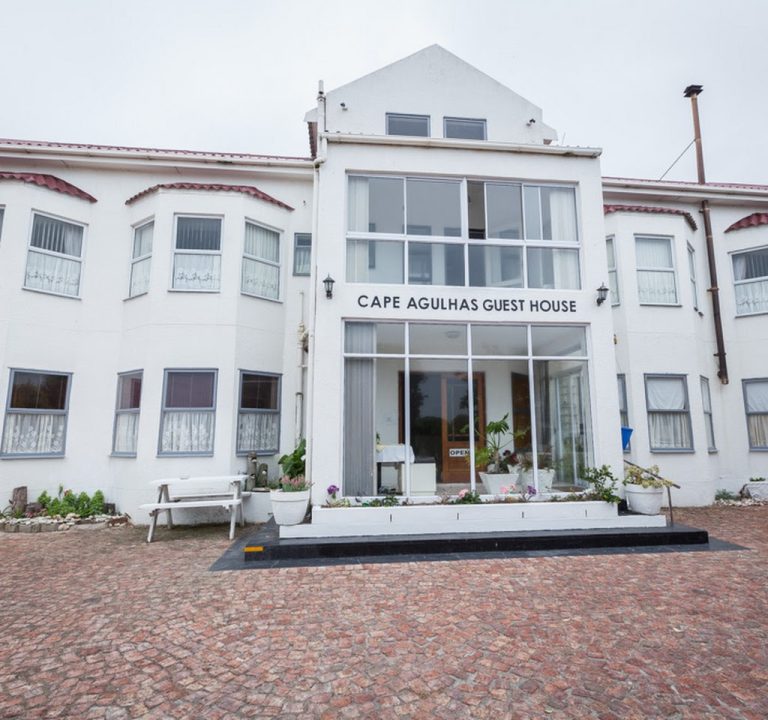
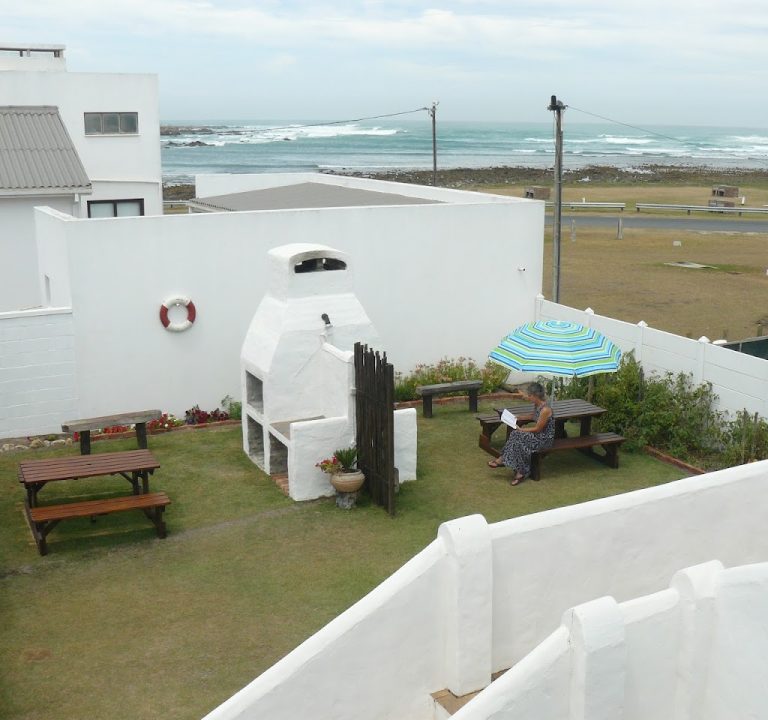
Discovering L'Agulhas: stay, style and shells on the Cape’s southern tip
Nestled at the southernmost reaches of Africa, L’Agulhas in the Western Cape offers a peaceful blend of rugged shoreline, tidal pools, and calm beaches. For travellers seeking a cosy base with easy access to nature and maritime history, the village provides a range of accommodation options from intimate homestays to small guesthouses and self‑catering escapes. With careful planning, a stay in L’Agulhas can combine restful downtime with gentle exploration of the surrounding coastline and protected reserves.
When choosing where to base yourself, consider the layout of the village and your pacing preferences. Some visitors favour a bright, self‑contained unit near the coast for morning walks and sunset views, while others prefer a homestay with a host who can share local tips and accommodate flexible meal arrangements. In D hub guest accommodation, as a representative example of a homestay approach, guests can enjoy a welcoming atmosphere that prioritises comfort and a sense of place, often with curated insights from hosts about nearby trails and viewpoints. Look for hosts who provide clear directions, a helpful arrival checklist, and welcome notes about tide times, weather, and safety considerations for coastal strolls.
Key areas to consider when booking include:
- Proximity to the shoreline and beaches for easy access to morning runs, walks, or seabird watching.
- Access to a quiet, private space versus a more social, shared living arrangement.
- Availability of practical amenities such as reliable heating or cooling, Wi‑Fi, and clean, well‑equipped kitchens or kitchenettes.
- Ease of parking and reliable transport links for day trips along the coast or to nearby towns.
- Safety features and local knowledge of tides and sudden weather changes, which are important for coastal exploration.
A typical stay in L’Agulhas benefits from well‑maintained en suites, generous storage, and warm, welcoming hospitality. Many accommodation providers offer flexible breakfast options, with hosts keen to tailor suggestions to personal tastes—from a light continental spread to a hearty, locally inspired breakfast. If you are planning longer visits, look for establishments that can provide weekly housekeeping, laundry facilities, and secure outdoor storage for beach gear such as surfboards, wetsuits, or hiking backpacks. Being able to dry gear after a day on the shore is a practical convenience that makes coastal adventures easier and more enjoyable.
Transport in and around L’Agulhas is straightforward but worth planning in advance. The village itself is pedestrian‑friendly, with scenic footpaths along the coast that invite gentle strolls at sunrise or sunset. A car or reliable taxi service expands your options, making it easier to reach protected reserves, coastal viewpoints, and local eateries beyond the village centre. If you plan to explore further afield, consider a compact vehicle as some roads are narrow and rural in character. Pack a small travel wallet for beach access permits or park entry where required, and always keep a map or offline navigation handy in areas with limited mobile signal.
The best time to visit L’Agulhas depends on what you want to do. Summer (December to February) tends to offer warmer sea temperatures and longer daylight hours, ideal for beach days and gentle sea swims, while winter (June to August) reveals a more dramatic coastline with cooler air and powerful Atlantic swells that attract walkers and birdwatchers. Spring and autumn bring milder conditions and quieter beaches, often with cooler evenings—perfect for studying sea life intertidal zones during lower tides. For marine life lovers, plan around neap and spring tides, and consult local guidance on safe coastal walks and penguin or seabird viewing opportunities in adjacent reserves.
Facilities and services of local attractions and restaurants are generally arranged to complement the maritime setting. You’ll find eateries that focus on straightforward, fresh fare, often featuring seafood prepared with seasonal ingredients. Many establishments offer outdoor seating with sea views or coastal gardens, making meals a pleasant, relaxed part of the day. For visitors seeking cultural and natural highlights, the area provides opportunities to learn about the region’s whaling history, maritime routes, and marine conservation efforts through visitor centres and informative signage along popular trails.
Practical tips to make the most of a stay in L’Agulhas:
- Pack for varying weather: coastal winds can be brisk, and evenings can cool quickly, even in summer.
- Bring a lightweight waterproof layer and sturdy walking shoes for cliff paths and tidal walks.
- Book accommodation with clear arrival instructions, especially if you are arriving after dark or in peak travel periods.
- Arrange a rough daily plan but leave room for spontaneous strolls along the shoreline and stops at viewpoints.
- Respect private property and protected areas; follow posted guidelines and seasonal closures for beaches and reserves.
When planning your stay, it can be helpful to view accommodation sites and traveller reviews for tips on the best situated properties for your interests—whether you prioritise quiet mornings by the sea, proximity to supplies, or easy access to nature trails. For broader inspiration and practical travel planning, official tourism resources offer current advisories, map guides, and suggested itineraries, accessible through national and regional portals. A visit to the Western Cape’s official tourism pages can provide context on the wider area’s attractions and seasonal events, helping you time your trip to suit coastal conditions and personal interests.
Whether you are drawn to the serenity of the coastline, the rhythm of lighthouse mornings, or the simple pleasure of waking to the sound of waves, L’Agulhas offers a restorative escape in which comfortable accommodation, thoughtful host guidance, and easy access to nature combine to create a memorable stay. For further planning, consider visiting reputable travel resources and the region’s official pages to tailor your itinerary to your preferences, while enjoying the unhurried pace and understated charm of this southern Cape corner.