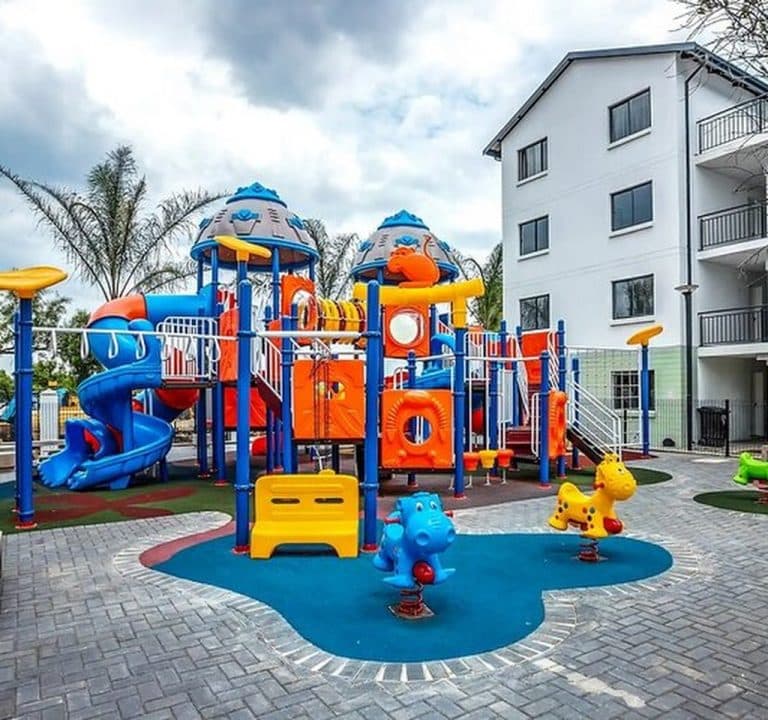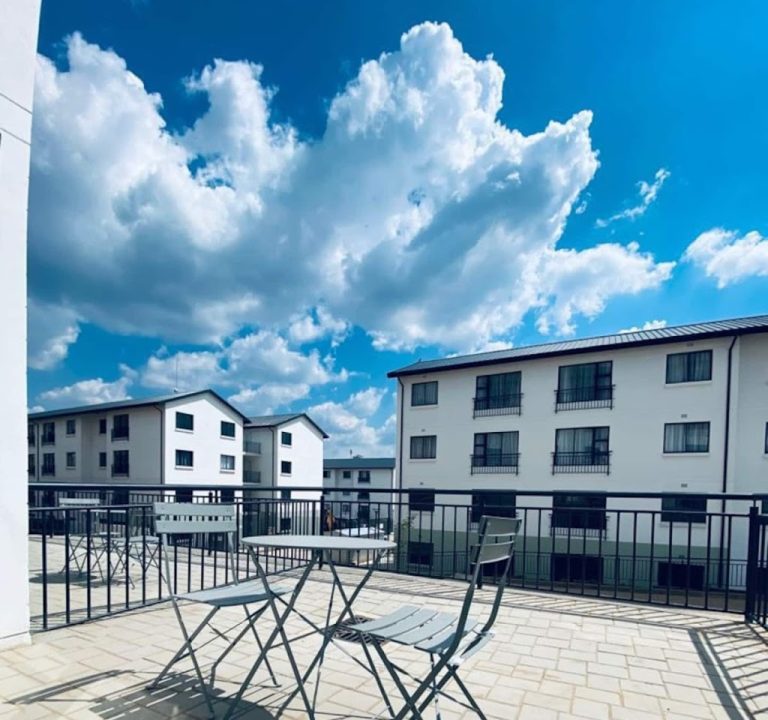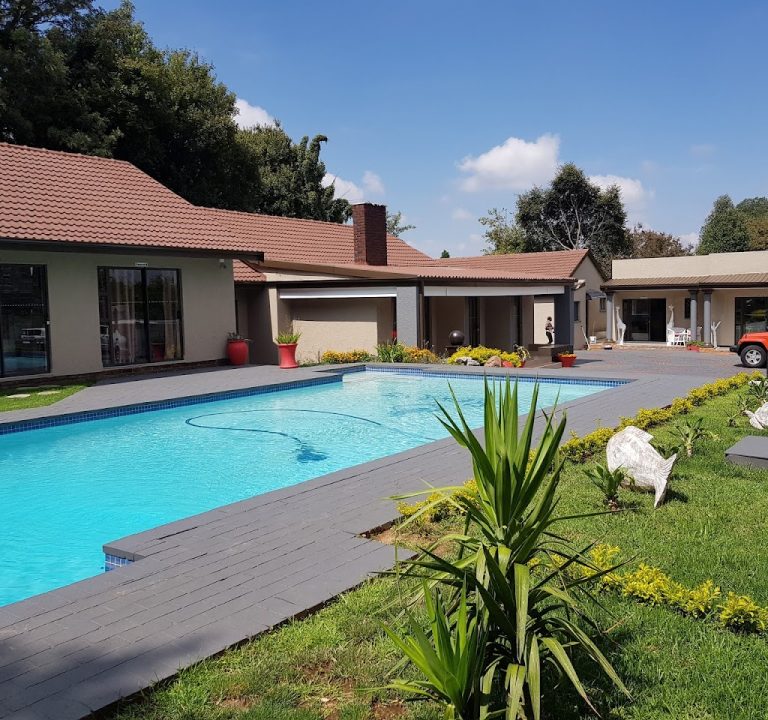
Die Rooi Huis is a Hospitality and tourism school establishment in Johannesburg, Gauteng, South Africa
About Die Rooi Huis, Johannesburg
Die Rooi Huis sits within a landscape of hospitality that the provided site frames as rooted in South Africa’s dynamic business and leisure destinations. Although the primary website content centres on Modungwa Sepelong Group and its varied interests—from tourism and hospitality to education and technology—this profile offers a lens through which Die Rooi Huis can be viewed as part of a broader ecosystem of professional guest experiences in Gauteng. The emphasis across the group’s narrative is on quality, value, and personalised service, themes that travellers often seek when choosing a stay in bustling Johannesburg.
Die Rooi Huis presents itself as a stay with lodging and traveller-friendly appeal set against the backdrop of Gauteng’s capital region. Visitors can expect an accommodation experience aligned with the city’s fast-paced tempo, paired with the reassurance of professional management and a focus on guest satisfaction. While concrete details about room types, on-site amenities, or specific policies are not defined within the supplied material, the overarching ethos reflected in the site’s service principles—quality, pricing, and service—suggests a hospitality approach that prioritises dependable comfort and value-for-money for guests navigating business trips, city breaks, or longer stays.
In terms of accommodation style and lifestyle, Die Rooi Huis is situated in a metropolitan context that supports convenience for travellers. The reference framework provided by Modungwa Sepelong Group speaks to an organisation that customises its offerings to customer needs, facilitated by a team described as specialist and attentive. For visitors, this can translate into an experience where assistance and responsiveness are available to tailor plans, whether those involve business logistics, local recommendations, or activity bookings in and around Johannesburg. The emphasis on “great products and services” hints at a hospitality environment designed to deliver consistent standards and helpful touches that contribute to a smooth stay.
Beyond the room itself, the site’s broader services indicate an ecosystem built to support guests through various touchpoints. From a traveller’s perspective, this can mean access to assistance with planning, thoughtful attention to guest requirements, and an orientation towards seamless, timely communication. The presence of consumer-focused service offerings such as shopping consultation and responsive customer support suggests a culture where guests’ needs are anticipated and managed efficiently, a quality that often elevates short trips into well-rounded experiences.
For travellers weighing where to base their Johannesburg visit, Die Rooi Huis aligns with a city renowned for its diverse districts, modern amenities, and gateway access to South Africa’s world-class attractions. Johannesburg’s urban districts offer a mix of business facilities, cultural venues,shopping opportunities, and neighbourhood dining scenes. While the site does not enumerate specific on-site facilities or local attractions, the surrounding context of a professional services-driven hospitality model points to a stay that emphasises convenience, reliable service, and a straightforward onboarding experience for guests exploring Gauteng's urban landscape.
The local setting in or near Sandton, as reflected by the organisation’s listed address in the source material, situates Die Rooi Huis within a well-connected corridor of Johannesburg known for its business hotels, shopping districts, and transport links. This position can be particularly appealing to travellers who appreciate easy access to corporate meetings, city sightseeing, and a range of dining options after business hours. For visitors, such a location also suggests practical advantages: straightforward transit routes, nearby amenities, and a familiar urban rhythm that supports efficient travel planning.
Booking and travel tips drawn from the context of the supplied content include approaching the stay with a mindset of flexibility and value. Since exact pricing and room configurations are not detailed in the provided material, prospective guests may find it useful to review the broader hospitality offerings described by Modungwa Sepelong Group—especially the emphasis on responsive service and customised experiences. Directing attention to the idea of a personalised guest journey can help maximise satisfaction, whether the trip is for work, leisure, or a blend of both.
Guests seeking further information or confirmation about Die Rooi Huis can explore the broader Modungwa Sepelong Group’s online presence for context on service reach and approach to hospitality. The site provides a doorway to the kinds of professional support and customer-focused processes that tend to complement a well-organised stay in Johannesburg. For those who value continuity of service and a commitment to quality, Die Rooi Huis benefits from this framework, offering a dependable backdrop to a diverse Gauteng itinerary.
- Booking considerations: Look for clear communication of policies and flexible arrangements, aligned with the group’s emphasis on service and customised offerings.
- Location context: Situated in or near Johannesburg’s dynamic business and leisure districts, with convenient access to transport and amenities.
- Experience emphasis: A hospitality approach that prioritises quality, pricing fairness, and attentive guest service.
For more information, interested travellers can visit the parent organisation’s site to glean background on its services and philosophy, with the understanding that Die Rooi Huis complements this framework as a stay that benefits from a city-centric, client-focused hospitality ethos.
Johannesburg
Gauteng
2192
South Africa
Accommodation in Johannesburg: Where to stay, what to expect, and how to plan your visit
Johannesburg, or Jo’burg as it’s affectionately known, offers a dynamic mix of history, culture and modern living. When planning a stay, the city’s varied neighbourhoods each bring a distinct flavour—from high-energy urban hubs to leafy suburbs. Your choice of area will shape your daily rhythm, access to attractions, and pace of life, so it’s worth weighing what you want from your trip before booking.
For a first-time visit, central districts such as the city core, Braamfontein and Maboneng are ideal for walkers who enjoy the buzz of cafés, galleries and street life. These areas are well connected to public transport and offer a compact base from which to explore the city on foot or via rideshare. If you prefer a more tranquil base with easy access to business districts and premium shopping, Sandton and Rosebank provide modern hotels, upscale eateries, and convenient Gautrain links. For a deeper dive into South Africa’s past and a vibrant community atmosphere, Soweto remains an essential stop, with guesthouses and guided experiences that reflect the area’s enduring spirit and history.
When choosing accommodation, look for calm rooms that still keep you connected to the city’s energy. Typical amenities worth prioritising include reliable Wi‑Fi, air conditioning or good ventilation, a comfortable desk or seating area, and secure on‑site parking if you’re hiring a car. A well-equipped kitchenette or access to a shared kitchen can be convenient for longer stays. On-site laundry, a gym or swimming pool, and a 24-hour reception are also helpful, especially if you’re moving around with an irregular schedule. If you’ll be touring neighbourhoods by night, a property with good security features and well‑lit surroundings is worth prioritising.
Transport is a major consideration. Johannesburg has an extensive but sometimes busy network of options. The Gautrain offers fast, clean links between central Gauteng and Johannesburg’s northern suburbs and O.R. Tambo International Airport, making day trips or airport transfers straightforward. Rideshare services are widely available and affordable, while some areas maintain visibility of a taxi network or shuttle services from hotels. If you’re driving, choose a property with secure parking and consider proximity to main routes to reduce time spent in peak traffic. For walkers, check if the area has well-lit streets, pavements, and a sense of safety after dark.
The best time to visit Johannesburg depends on what you want. The city experiences a warm, temperate climate, with dry winters and summer rainfall. Peak periods typically align with school holidays and major events, when attractions can be busier. For comfortable daytime exploration with fewer crowds, consider the shoulder seasons—late autumn or early spring—when temperatures are mild, and hotel deals may be more accessible. If you enjoy outdoor activities and markets, weekends and public holidays often bring lively street life and live performances in various districts.
Beyond the hotel or guesthouse, plan to blend accommodation with a few signature experiences. Johannesburg’s museums, markets and historic sites offer insight into the country’s complex past and vibrant present. Contemporary art galleries, rooftop bars, and diverse dining scenes showcase the city’s creative energy. For meals, you’ll find a wide range of options—from modern casual cafés to neighbourhood bistros and traditional South African eateries. When planning restaurant visits, consider booking in advance for popular spots, and be open to trying dishes that represent the local heritage and flavours.
Practical tips to help you plan your stay:
- Book a flexible rate where possible, to adapt to weather or schedule changes.
- Verify security features and guest reviews focused on safety, especially if you plan to stay in a central urban area.
- Check proximity to public transport hubs or major routes to save time on daily trips.
- Consider a short guided neighbourhood tour early in your stay to map out places you wish to revisit.
- Pack comfortable walking shoes for exploring on foot and a light layer for cooler evenings.
- Bring adapters and a portable charger; some areas use different plug types and voltage.
When it comes to planning, a practical approach is to group days by area. Base yourself in a central hub for two to three nights to explore the core districts, then switch to a nearby neighbourhood for a different pace—perhaps a day in a lively urban precinct followed by an afternoon in a quieter residential area with green spaces. Always allow time for spontaneous discoveries, such as local markets, street-food stalls, or a relaxed café with a view of the city skyline.
For further ideas on staying in Johannesburg and planning your itinerary, you can explore official city information and tourism resources online. Sample accommodation options emphasise comfort, security and accessibility, while restaurant and attraction suggestions focus on a broad sense of place rather than fixed prices or awards. You’ll find a wide range of experiences to suit different budgets and interests, from heritage-inspired stays to modern hotels with easy access to transport links. For more details on local services and experiences, visit suitable local tourism pages or the accommodation providers’ own websites.
As a starting point for planning your stay, consider a property in or near the central districts, with good transport access and clear reviews from past travellers. A well-chosen base will unlock the best of Johannesburg’s energy, history and hospitality, making your visit both practical and memorable. For more information on Johannesburg’s hospitality and tourism offerings, see the Modungwa Sepelong Group site for context on regional services and responsive, client-focused arrangements. Learn more about the group.
Sorry, no records were found. Please adjust your search criteria and try again.
Sorry, unable to load the Maps API.
Why Claim Your Listing?
Claiming your listing on the B&B Finder directory website is a valuable opportunity for business owners. Here are five reasons why you should consider claiming your listings:
Control Over Business Information: By claiming their listing, business owners can ensure that all the information presented is accurate and up-to-date. This includes details such as contact information, address, pricing, and available services or amenities. Accurate information helps prevent customer confusion and improves overall satisfaction.
Enhance the Listing: Once a listing is claimed, owners can enhance it by adding more comprehensive information and rich media, like high-quality photos and videos. These additions can make the listing more attractive and engaging to potential customers, thereby increasing the likelihood of bookings.
Marketing Opportunities: Claiming a listing can also open up additional marketing opportunities. Owners may be able to participate in promotional campaigns, special offers, and other marketing activities organized by the directory. This can increase visibility and attract more customers to the business.