Accommodation and a Traveller’s Guide to Ashton, Western Cape
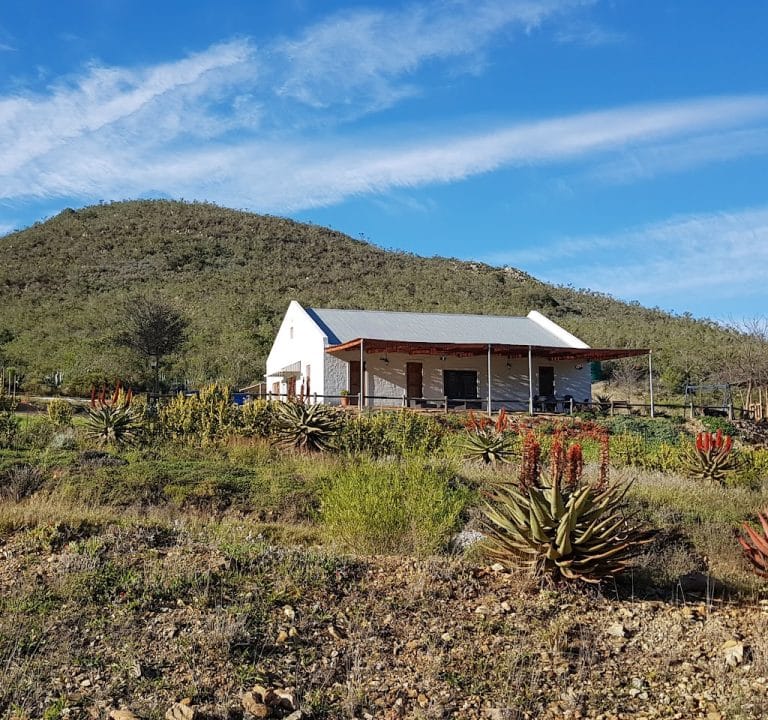
Ashton is a small, welcoming town nestled in the Western Cape’s fruit-growing belt, surrounded by orchards androlling valley views. It offers a calm base for visitors exploring the Breede River region, with a focus on comfortable stays, uncomplicated transport, and easy access to nature and heritage. A stay in a guest house such as Die Ou Huis can be an excellent way to experience authentic hospitality, a sense of place, and practical convenience while exploring the area.
When planning a stay, consider the different neighbourhoods and settings within and around Ashton. The town centre is convenient for walking to shops, cafés and light meals, while accommodation on the outskirts can offer larger plots, garden views and easier access to agricultural fields and quieter lanes. If you are hiring a car, look for lodging with easy road access and clear directions from major routes, as inland Western Cape towns often rely on relatively small, well-signposted roads rather than dense urban thoroughfares.
What to look for when booking a guest house or B&B in Ashton:
- Character and atmosphere: Many guest houses in the region emphasise period features, garden spaces, and patios that encourage a relaxed, home-from-home experience.
- Room configuration and privacy: Check whether rooms have en-suite facilities, separate entrances, and quiet courtyards if you value privacy or a peaceful morning routine.
- Amenities and practicality: Look for reliable hot water, good heating or cooling, coffee and tea facilities, and free on-site parking. A guest house offering air conditioning or fans can be important in warmer months, while heaters or blankets help in cooler evenings.
- Access to local guidance: Hosts who provide maps, recommendations for dining, and suggestions for day trips can enhance your stay significantly.
- Meal options: Some properties offer a fully cooked breakfast or afternoon tea, while others are room-only. If you plan to dine out, check proximity to bakeries, casual eateries and farm stalls nearby.
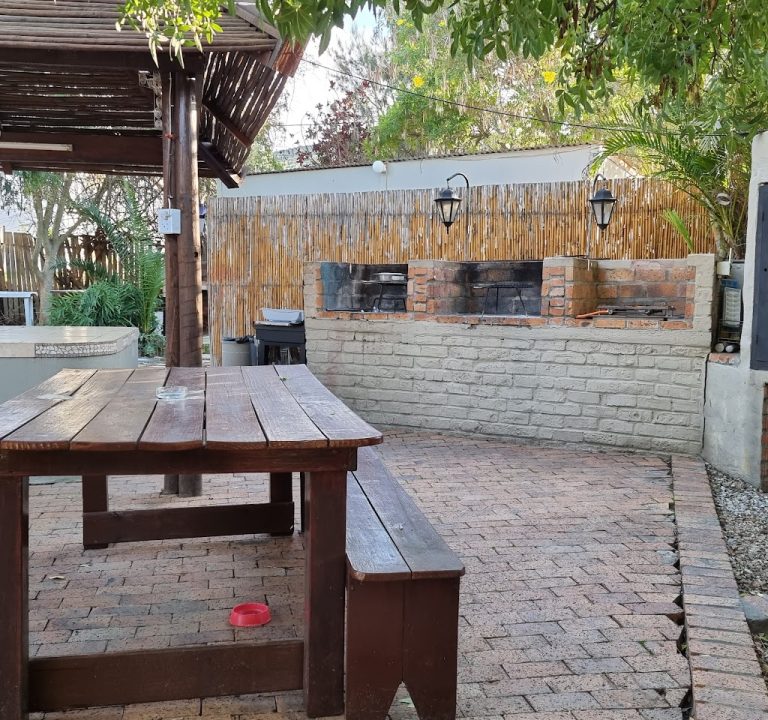
Typical amenities you might expect include a guest lounge or library, garden seating, secure parking, and in some cases a swimming pool or outdoor shaded areas for hot afternoons. If you are travelling with family or a group, look for larger rooms, multiple bedrooms, or the possibility of booking neighbouring suites. Wi-Fi is common, but in rural Western Cape regions it can be intermittent, so plan accordingly if you need reliable connectivity for work or streaming.
Accommodation in Ashton often blends quiet countryside charm with straightforward practicality. Liveability matters: friendly hosts who can offer practical tips for day trips, safe walking routes, and the best times to visit certain local farms or markets. Booking early for harvest seasons or peak tourist periods is wise, as the town’s hospitality offerings can fill up quickly during fruit-picking times and school holidays.
Transport and getting around the area is usually straightforward with a car. Most properties provide parking, and some offer shuttle arrangements to nearby towns or attractions. If you do not have a vehicle, check the availability of local pick-up points or arranged transfers as part of your booking. Public transport links are limited in rural areas, so planning ahead helps you maximise your days without long waiting times.
The best time to visit Ashton generally aligns with its agricultural calendar and pleasant weather. Spring and autumn bring mild temperatures and colourful scenery, while summers are warm and winters tend to be cooler with a chance of rain. If you are keen on outdoor activities, consider the longer daylight hours of late spring and early autumn for hiking, bike rides, and nature walks. For those drawn to fruit markets and farm stalls, late summer to early autumn is typically harvest season, offering a chance to observe farming life at its busiest and freshest.
Attractions and experiences in and around Ashton are best described in broad strokes. The area is well suited to nature lovers, with options for short riverside walks, scenic drives through valley landscapes, and tranquil picnics in garden or farmyard settings. Visitors can also enjoy close-by historic or cultural sites showcasing regional heritage, traditional farming practices, and local crafts. Dining locally is a pleasure, with nearby cafés and eateries offering light meals, baked goods, and country-style dishes using regional produce. For a fuller outing, a day trip to nearby towns or nature reserves can combine landscape views with gentle hiking and opportunities to sample regional produce.
Practical tips for a smooth stay in Ashton:
- Book with flexibility when possible, as farm schedules and weather can influence daily plans.
- Pack layers for variable temperatures, especially if visiting in shoulder seasons or at higher elevations.
- Keep a lightweight rain jacket handy during spring and autumn.
- Bring a reusable water bottle and sun protection for outdoor activities.
- Consult local tourism information for seasonal markets, farm stalls, and open-day events to maximise your visit.
- Check for off-street parking or easy street parking when choosing your stay, to minimise street congestion and ensure convenience.
For further inspiration and practical planning, you can explore general South African tourism resources or regional guides. These can help you tailor your itinerary to enjoy Ashton’s countryside charm, comfortable guest house stays such as Die Ou Huis, and the country hospitality that makes the Western Cape a memorable destination. A well-planned stay balances restful accommodation with light exploration, ensuring you return refreshed and ready for the next day’s adventures. More information about the wider region is typically available at official tourism sites or local accommodation pages.