Staying in Ashton, Western Cape: accommodation, attractions and practical tips
Ashton sits in the heart of the Western Cape’s fruit-growing belt, a short drive from the Breede River and the scenic Route 62. It’s an ideal base for travellers who want a relaxed, country-town vibe with easy access to rural landscapes, specialised farming experiences, and the nearby towns of Montagu and Robertson. When planning a stay, consider both the character of the area and the practicalities of getting around, as many attractions and eateries tend to cluster along the surrounding country lanes rather than in a single commercial hub.
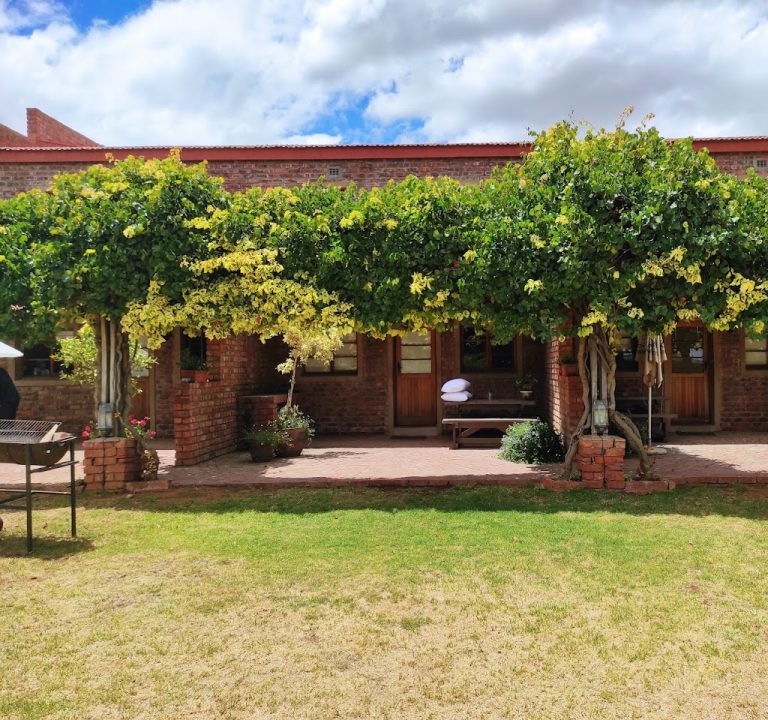
Accommodation options in Ashton are increasingly varied, with self-catering homes, guesthouses and small B&Bs offering a warm, tranquil escape. Rest 4 Sure Accommodation, a self-catering option in the area, exemplifies the approach many travellers appreciate: comfortable, well-equipped spaces that let you set your own pace. Look for properties that provide clear kitchen facilities, reliable bedding, dependable hot water, and good insulation for comfort across seasons. The appeal of self-catering sits in the freedom to dine in as you wish after a day exploring rural surrounds or tasting stops along the famed wine and fruit routes.
When choosing where to stay, think about the following areas within or near Ashton. Central Ashton offers easy access to shops and village conveniences, while outskirts or rural lanes can deliver more privacy, expansive views, and closer proximity to orchards and farmland. If you’re visiting during harvest times, a location near fruit farms can become a peaceful retreat after busy days out, with morning and evening light often shaping spectacular scenery across the valley. Consider how long you plan to stay in each day and whether you want quick dashes into town or longer, scenic drives through neighbouring towns and countryside lanes.
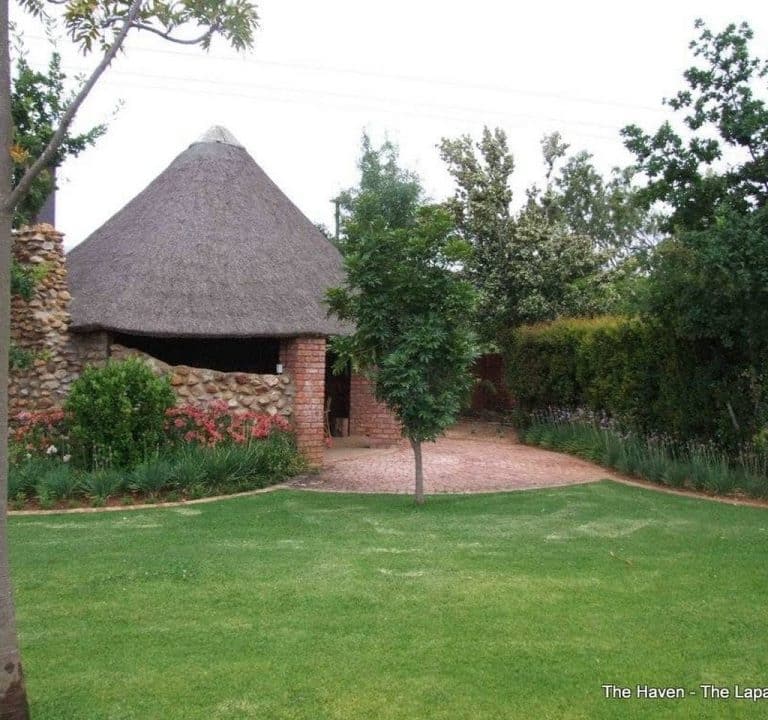
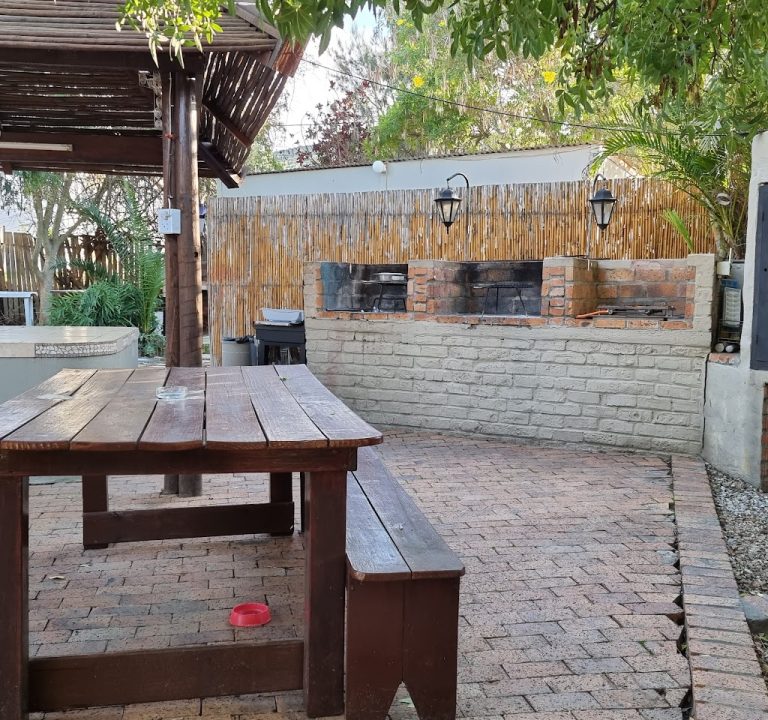
Typical on-site amenities you’ll frequently encounter include well-equipped kitchens or kitchenettes, free Wi‑Fi, off-street parking, clear housekeeping schedules, and outdoor spaces such as patios or braai areas. Where possible, choose listings that explain access to washing facilities, laundry services, and, for longer stays, storage or cycling gear facilities. A robust and reliable heating or cooling system is worth prioritising, given the region’s seasonal shifts. For families or groups, booking a property with separate bedrooms and privacy for different travellers can significantly improve comfort.
Transport in and around Ashton is most straightforward with a car. The surrounding lanes are typically quiet but scenic, so a car gives you flexibility to explore fruit farms, rural viewpoints, and nearby towns on your own timetable. If you’re relying on public transport, check proximity to main routes and taxi services in advance, and plan for longer travel times between small villages. Some travellers also enjoy hiring a vehicle for day trips into the Klein Karoo or towards the coast, depending on weather and interests.
The best time to visit Ashton and the wider Western Cape depends on what you want from your trip. For fruit harvest season, late summer into autumn can be active and atmospheric in rural towns. Spring brings a fresh bloom and milder days, ideal for outdoor walks and photography. Summers are warm and sunny, with cooler evenings—great for late dinners under the African night sky. Winters are relatively mild but can be rainy, so packing layered clothing and a light raincoat is sensible. If your plans include wine-tasting or farm visits, your timing should align with local schedules and seasonal activities, which vary from year to year.
When planning your itinerary, combine accommodation basics with a few hospitality-friendly experiences. In Ashton and nearby areas, there is value in arranging a day that blends a farm visit with a countryside walk, followed by a relaxed meal at a restaurant that emphasises seasonal produce. While it’s best not to rely on exact names or prices here, you can expect family-run eateries and casual dining spaces that celebrate regionally sourced ingredients. For a broader flavour of the region, consider a gentle day trip that pairs orchard routes with a stop in one of the neighbouring towns known for its rural charm and scenic drives.
Practical tips to help you plan:
- Book early for peak harvest periods and school holidays, as cottages and guesthouses can fill quickly.
- Check what is included in your booking—kitchen facilities, cooking equipment, towels, and linens can save you time and money.
- Confirm parking arrangements and accessibility if you are travelling with a vehicle, bikes, or luggage with varying access needs.
- Ask about Wi‑Fi reliability if you need to work remotely during your stay, and whether there are quiet spaces for study or calls.
- Plan your meals with a mix of self-catering days and occasional dining out to experience local hospitality and seasonal dishes.
Overall, Ashton provides a calm, scenic backdrop for a countryside break with the flexibility of self-catering accommodation and nearby rural attractions. By choosing a base that matches your preferred balance of privacy, convenience and access to the region’s agricultural landscapes, you can tailor a stay that feels both restorative and lightly adventurous. For further inspiration, you can explore reputable local listings and travel guides that highlight homely stays, viewpoints, and practical itineraries tailored to your travel style.