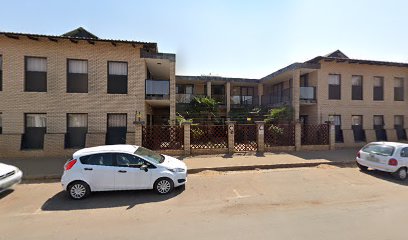
Accommodating a Curated Stay in Kuruman, Northern Cape
Kuruman, perched in the arid splendour of the Northern Cape, offers a calm base from which to explore the Karoo and its gnarled history. When planning a stay, consider the rhythms of the town and the surrounding landscape: a mix of friendly guest houses, intimate lodges and practical self-catering options, all within easy reach of the region’s key sights. Whether you prefer a cosy room in a family-run guest house or a garden-facing suite with a private entrance, Kuruman accommodates a range of travel styles while remaining approachable and affordable.
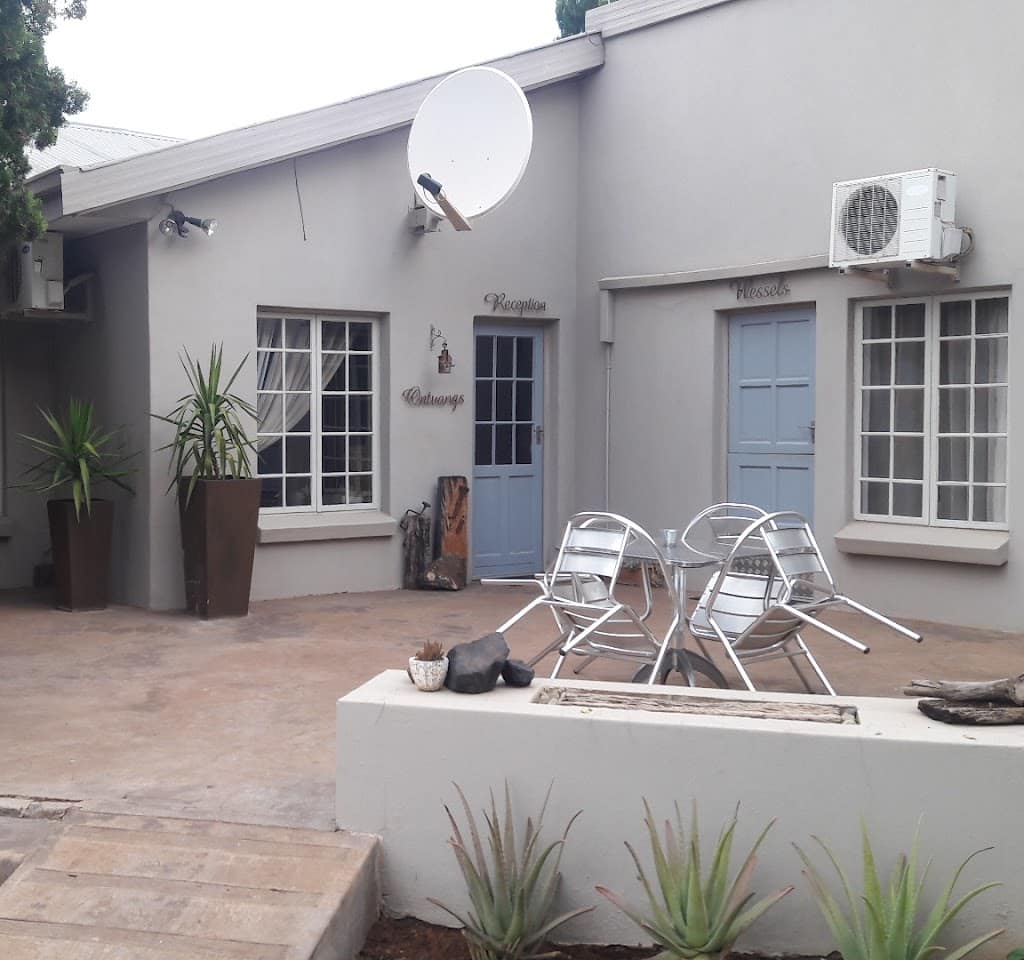
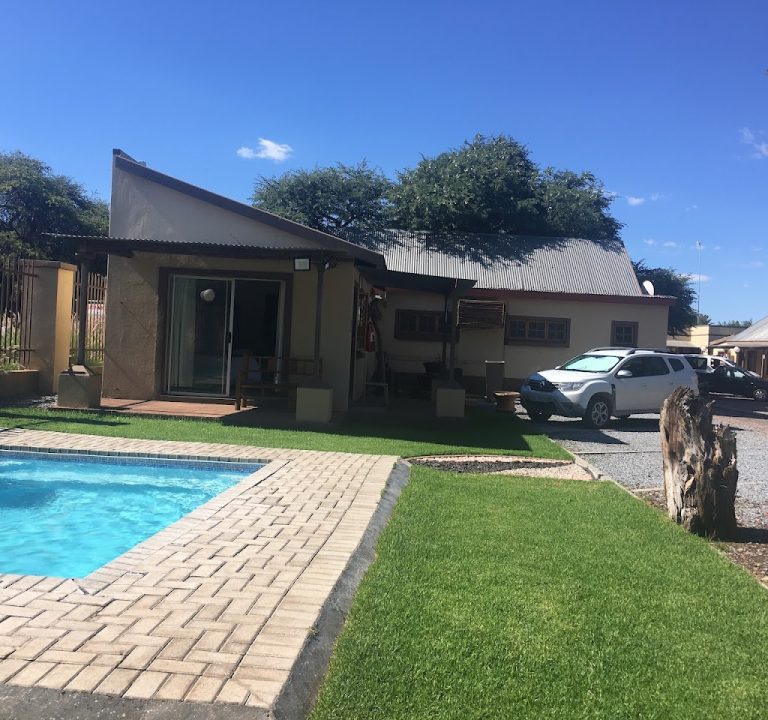
Accommodation options in Kuruman cluster around the town centre and nearby residential suburbs, making it straightforward to walk to cafés, small shops and local eateries. A common pattern is to find property owners who offer a personal touch—hospitality in a home-from-home setting, with cooked breakfasts or light provisions to start the day. Guest houses such as Die Mynhuis Gastehuis exemplify this character: a tranquil base with easy access to routes heading into the surrounding landscape. If you prefer something a little more self-contained, look for self-catering units or apartments that come with a kitchenette and private parking.
What to look for when booking in Kuruman hinges on practicality and climate. For dry, hot seasons, you may appreciate rooms with fans or air conditioning, shaded outdoor spaces, and reliable security. In the cooler winter months, heating and a cosy common area can be very welcome after long outdoor excursions. Check whether the accommodation offers wi‑fi, on-site parking, a restaurant on the premises or nearby, and whether breakfast or dinner is included. A private entrance or dedicated parking can also make a big difference for travellers who move between sights in their own vehicle.
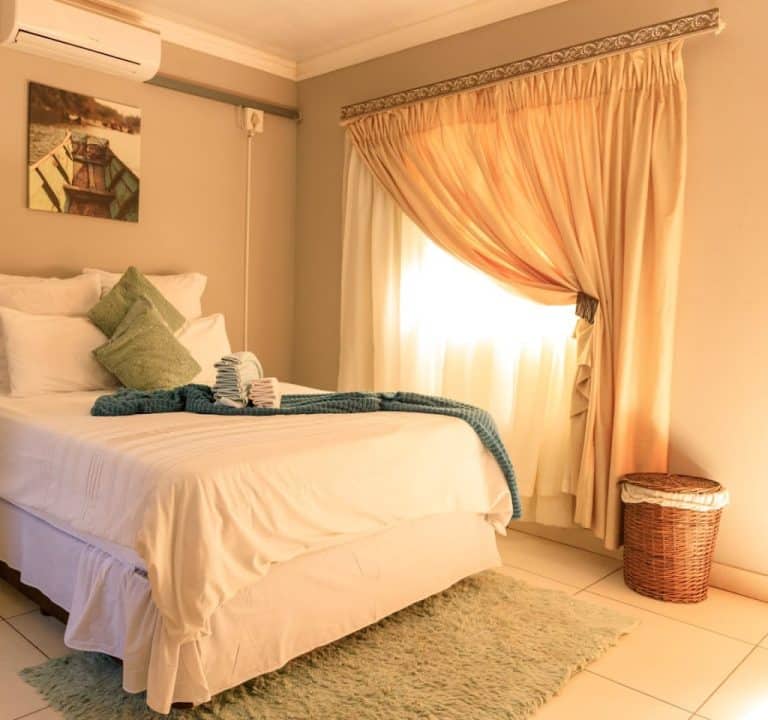
Typical amenities found in well-regarded Kuruman stays include clean en suite bathrooms, comfortable beds with fresh linen, adequate storage, and a sensible workspace for travellers who need to catch up on emails. Outside spaces—courtyards, verandahs or verandah-sheltered seating—are a great bonus for late afternoon cooling breezes and stargazing after dinner. If you are travelling with family or a small group, inquire about multi-room setups, extra beds or cots, and whether a shared kitchen or lounge is available for relaxed evenings in.
Transport in Kuruman is practical and informal. A car is the most convenient means to explore beyond the town, to nearby plains, viewpoints, and smaller settlements. If you prefer not to drive, check whether your accommodation can assist with airport transfers or local taxi arrangements, and whether there are practical bus or shuttle options to the major routes. Plan for longer drives if you intend to visit the region’s natural springs or parks, and budget a little extra time for desert-adjacent roads and seasonal conditions. The town is a good base for day trips into the surrounding landscape, so a vehicle with good air conditioning and ample fuel capacity can be a sensible choice.
The best time to visit Kuruman spans the cool, dry winter months and the spring shoulder seasons. Winters (roughly May to August) bring clear skies and comfortable daytime temperatures, ideal for outdoor exploration and photography without the intense heat. Summer can be hot, with the possibility of dusty conditions after rain, but early mornings and late afternoons remain pleasant for walks and market visits. Autumn offers a balance of warmth and colour, while spring can bring fresh greenery after the brief, occasional rains. Pack layers, a wide-brimmed hat, sunscreen, and a sturdy pair of walking shoes, plus a water bottle for long spells outdoors.
When planning activities, consider a mix of cultural and natural experiences. In Kuruman, you can learn about the town’s history, explore geological features, and enjoy the surrounding scenery—often from the comfort of a slow, scenic drive or a short guided walk. For dining, look for places that offer simple, well-prepared local fare and generous hospitality. While prices and menus vary, it’s common to encounter hearty breakfasts, light lunches, and traditional flavours that reflect the region’s character. If you enjoy markets or craft shops, seek out opportunities to browse for locally made goods and souvenirs in calm, unfussy surroundings.
Practical tips to help you plan a smooth stay:
- Book a centrally located base if you plan to walk to cafés and markets.
- Confirm check-in times and whether meals are included or available on-site.
- Ask about parking arrangements and security in the neighbourhood.
- Check for amenities that you value, such as wi‑fi, laundry facilities, and kitchen access.
- Prepare for warm days and chilly nights; pack light layers and sun protection.
For further planning, a visit to the official Northern Cape tourism resources can help confirm acceptable travel windows, suggested itineraries, and practical visitor information. General guidance about Kuruman’s appeal emphasises its role as a gateway to the Karoo landscapes and a place to rest between broader explorations of the Northern Cape. Consider combining a restful stay at a welcoming guest house like Die Mynhuis Gastehuis with a modest itinerary that includes short nature walks, cultural insights, and relaxed meals in town. For more information and ideas, you can explore official travel resources online.