Stay, savour and explore Kuruman: accommodation, attractions and practical tips for a memorable Northern Cape visit
Nestled in the Northern Cape, Kuruman offers a friendly gateway to the Kalahari and a compact base from which to explore the surrounding landscapes, historic sites and local culture. Whether you prefer a cosy guest house, a small boutique lodge, a traditional B&B or a simple self‑catering option, Kuruman’s accommodation scene tends to prioritise comfort, practical convenience and easy access to the town’s key attractions. Planning a stay with attention to location, amenities and transport will help you get the most out of your visit.
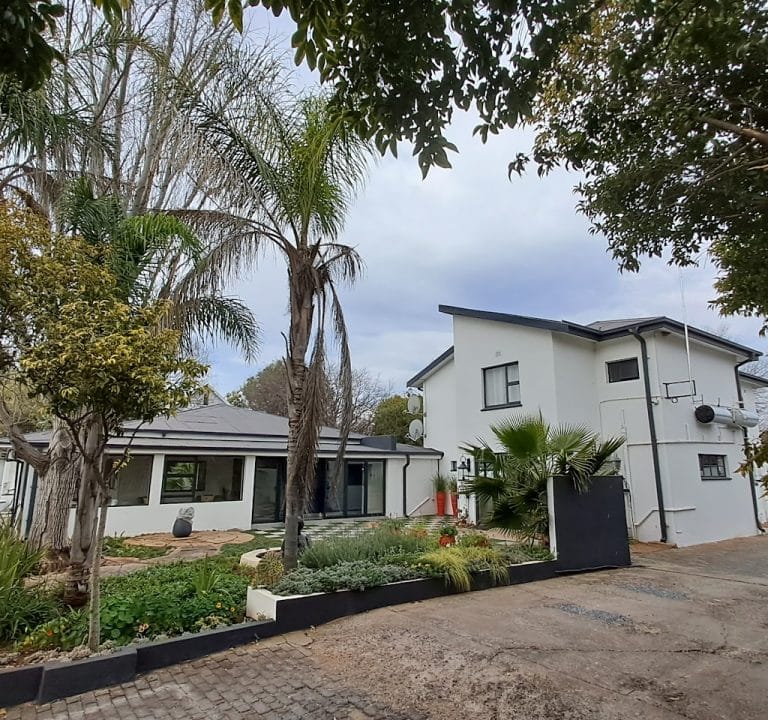
Areas to consider when choosing a base include central Kuruman for easy strolls to shops and eateries, or quieter residential streets and nearby countryside for a more relaxed atmosphere. If you want quick access to the town’s visitor highlights, look for accommodation near the town centre or along routes that connect to the main roads. For a more secluded stay, some guest houses and lodges offer larger plots, garden spaces and private entrances, which can be ideal after a day of exploring or game‑watching in the wider region.
Typical accommodation options you’ll encounter include guest houses with en‑suite rooms, B&Bs offering breakfast in the morning, and modest lodges with shared or private facilities. Many places in Kuruman provide secure parking, on‑site dining options or easy access to local eateries, and some offer curio shops or small gardens where guests can unwind. When booking, consider the following:
- Location relative to the sights you plan to visit and your preferred pace of seeing the area
- Security and safe parking options, especially if you will be driving long distances
- Room size, quietness, and whether air conditioning or fans are available for the hot months
- Included meals, or the availability of a kitchenette or self‑catering facilities
- Wi‑Fi reliability, laundry services and accessibility features if needed
- Cancellation terms and any seasonal pricing that may apply
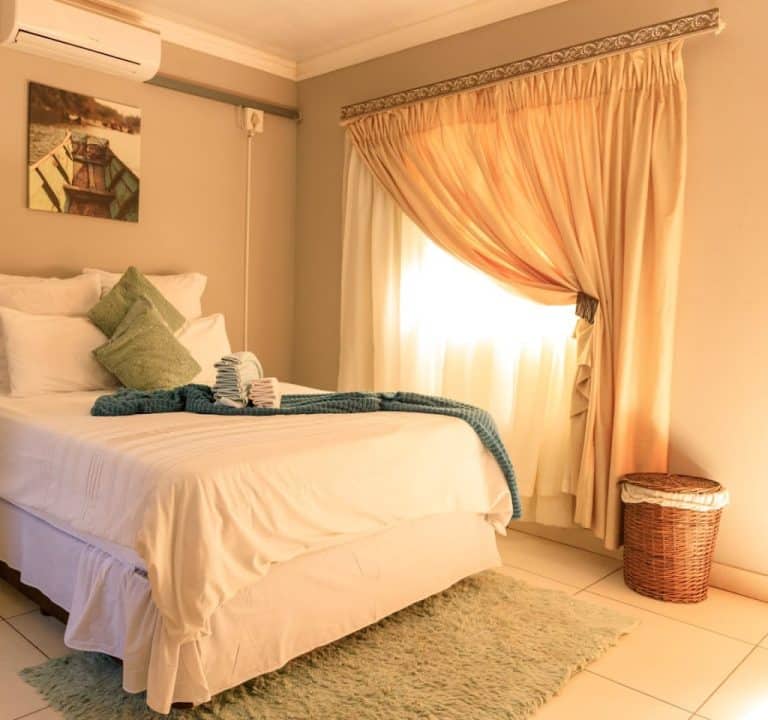
Typical amenities you might expect include comfortable beds, clean en‑suite bathrooms, air conditioning or ceiling fans, tea and coffee facilities, and often a small communal lounge or outdoor seating area. For travellers planning longer or more flexible stays, a self‑catering option—a kitchenette or mini‑fridge in the room—can be particularly convenient. If you rely on mobile data, check the network coverage for your chosen property, as some rural pockets may have variable connectivity.
Transport in and around Kuruman is generally straightforward. The town is connected by road to surrounding towns, making car hire a sensible option for most visitors who wish to explore the wider Kalahari area. If you prefer not to drive, consider local transfers or arranging a guided day trip that covers the main sights and some off‑the‑beaten‑path locations. When planning day excursions, verify whether your accommodation can organise or recommend trusted local guides or transport arrangements. For travellers arriving by air, the closest major routes typically involve driving from nearby regional hubs, so you’ll benefit from a vehicle or a reliable transfer service.
Best time to visit Kuruman depends on your interests. Winter (June to August) tends to be cooler and can be ideal for outdoor activities and sightseeing without the heat; you’ll also experience clearer skies, which is often preferred for photography. Summer (November to February) brings warmer days, with the possibility of afternoon showers. If you’re aiming to enjoy outdoor areas or the surrounding landscapes, spring and autumn offer a pleasant balance of mild temperatures and manageable conditions.
Among the attractions in and around Kuruman, the town’s distinctive natural and historical sites provide gentle, memorable days out. One notable natural feature is a historic spring famed for its clear water and long‑standing place in local stories. The surrounding region offers wide, open spaces and opportunities for nature walks, scenic viewpoints and photography. Cultural experiences and local hospitality are part of the appeal, with chances to learn about regional traditions, crafts and everyday life from residents and small guest‑favouring establishments.
For dining and refreshments, you’ll typically find a range of options in Kuruman—from relaxed cafés and bakeries to family‑style restaurants and places serving traditional fare. Expect straightforward menus featuring hearty meals built around local ingredients, with emphasis on comfort food and regional flavours. It’s worth asking your hosts or hosts’ recommended spots for a true taste of the area, including any seasonal specials or freshly prepared dishes.
Practical tips for a smooth stay in Kuruman:
- Pack sun protection, a hat and water bottle for day trips, even when temperatures feel mild in the mornings
- Bring cash for smaller establishments and rural outposts where card facilities may be limited
- Check the weather forecast ahead of trips into the surrounding countryside and plan layers for changing conditions
- Confirm check‑in times and whether you’ll need assistance with luggage or parking during peak periods
- Respect quiet hours at guest houses and observe any local guidelines regarding outdoor spaces
For planning resources and up‑to‑date visitor information, consult regional tourism websites and local accommodation guides. They can offer practical insights on current road conditions, seasonal events and recommended itineraries that balance nature, culture and relaxation. A well‑planned stay in Kuruman can combine comfortable, welcoming accommodation with the chance to experience the warmth of Northern Cape hospitality and the region’s distinctive landscapes.