Queenstown, Eastern Cape: where to stay and how to plan your visit
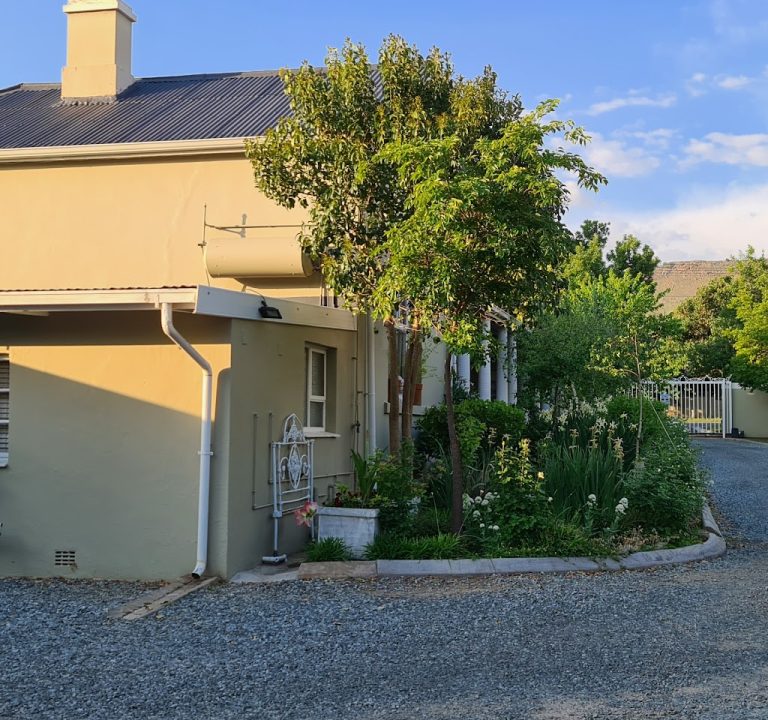
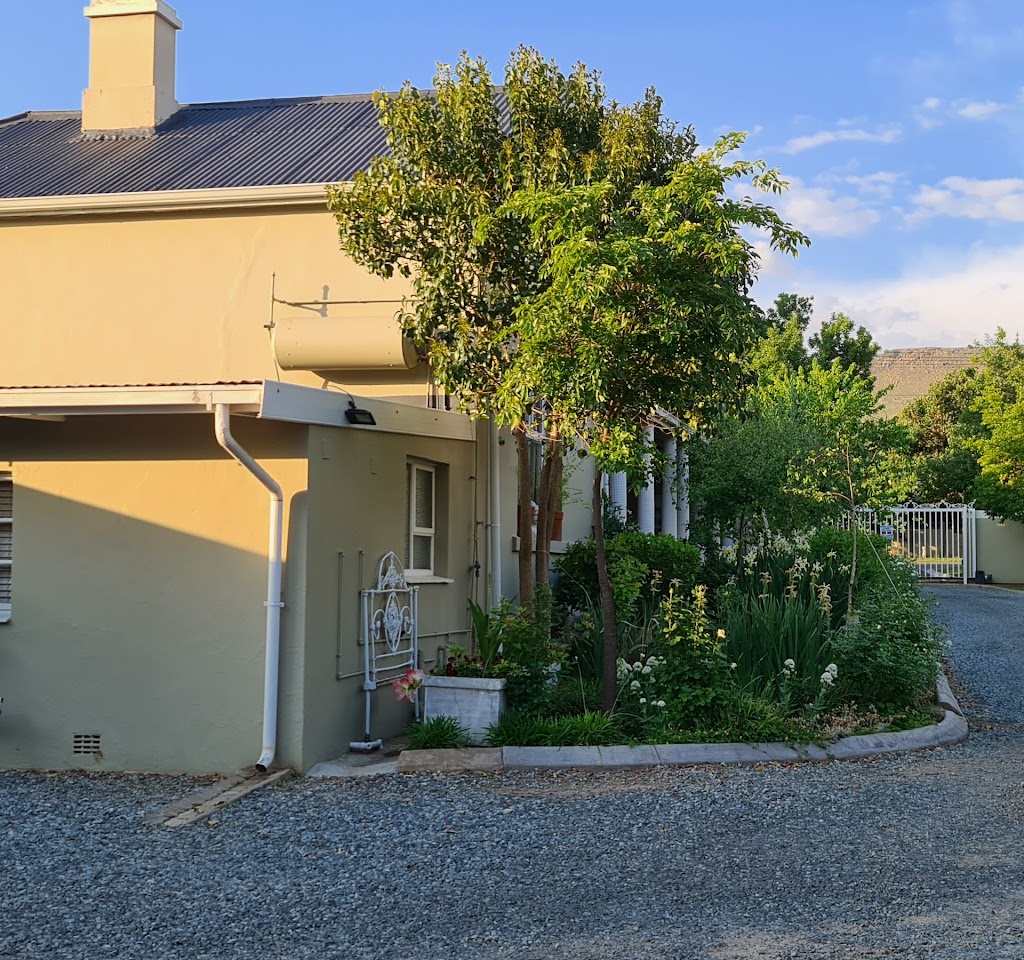
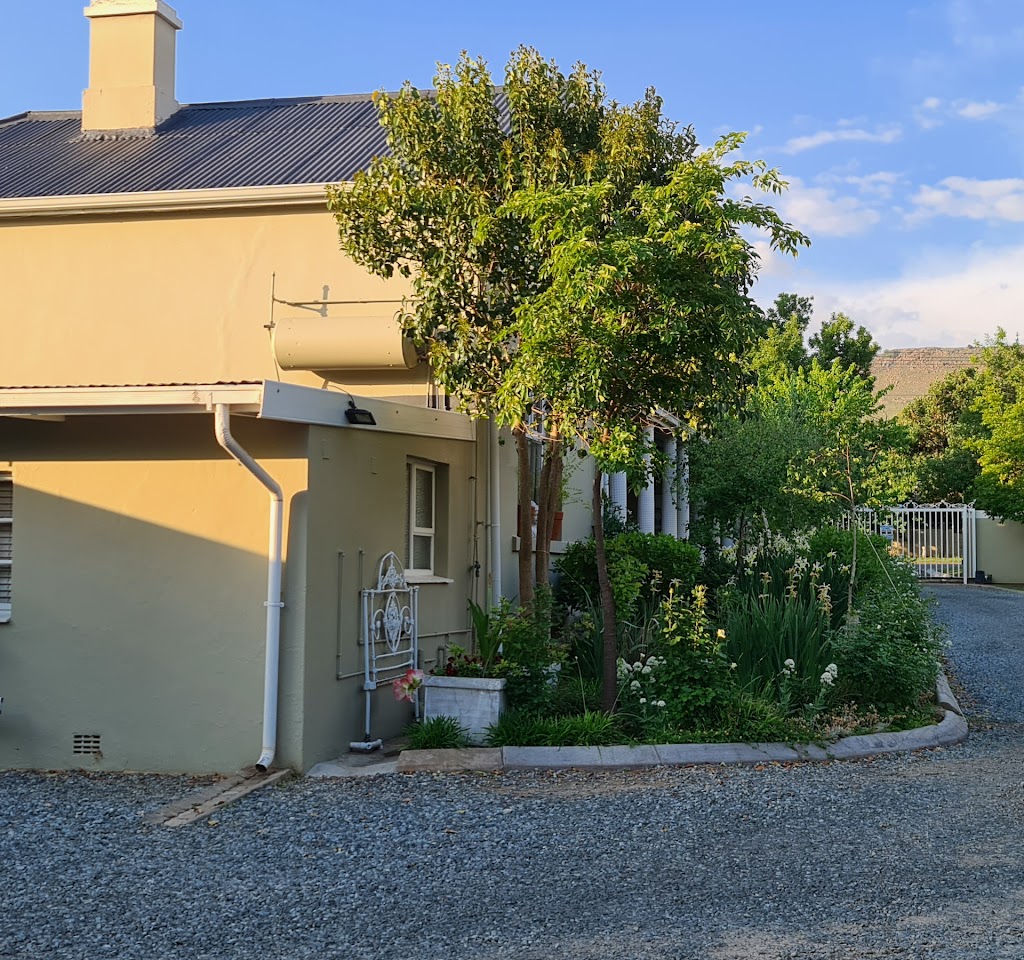
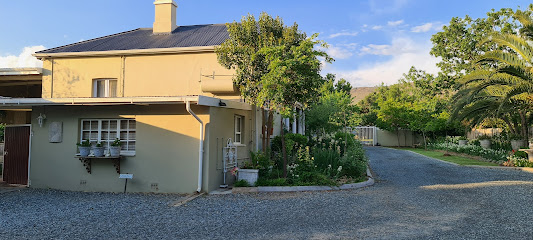
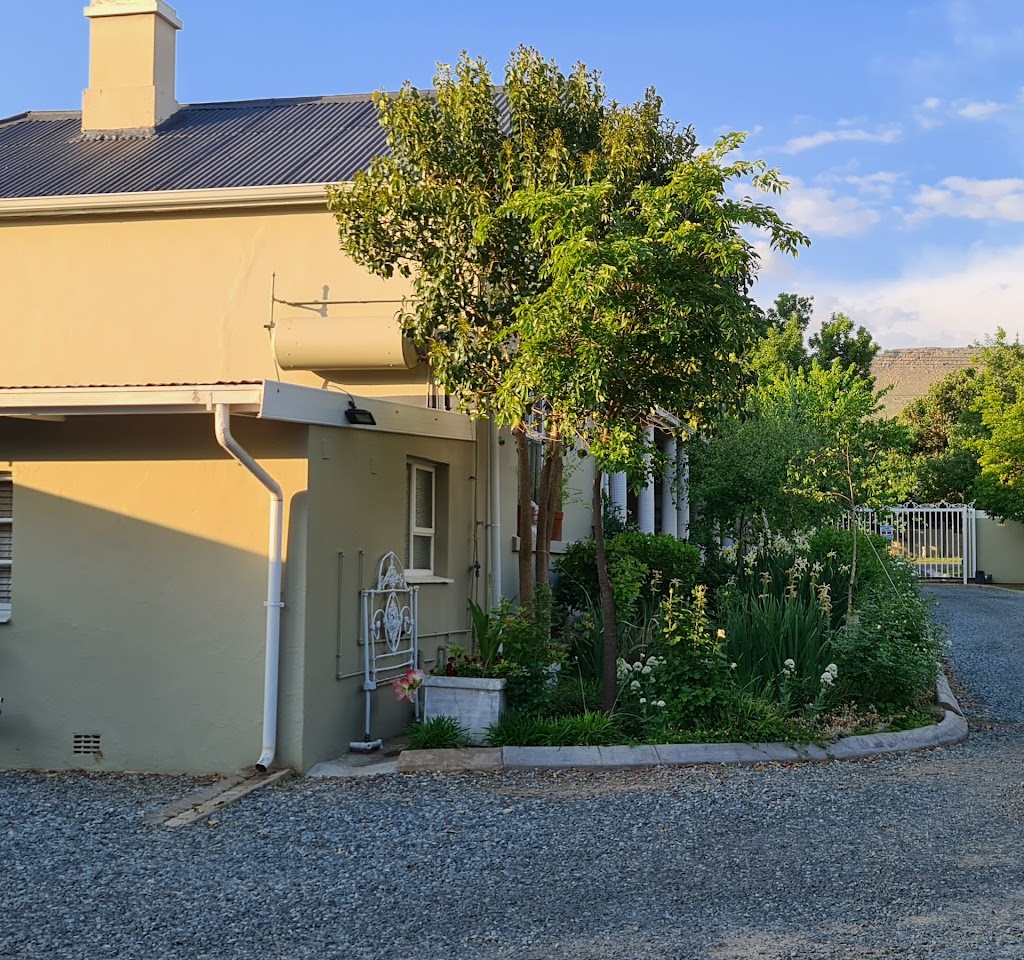
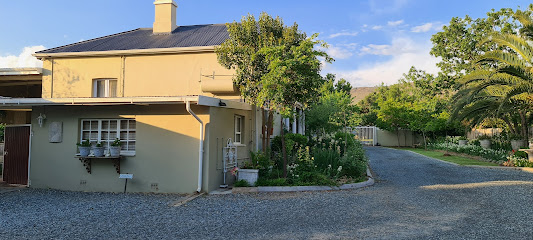
Queenstown sits in the eastern reaches of the Eastern Cape, a town that blends friendly hospitality with access to wide open landscapes. When planning a stay, consider the different neighbourhoods and countryside settings that characterise the area. The town centre is convenient for shops and eateries, while surrounding streets and rural lanes offer quieter stays with views of hills, farmland and the river. A guest house such as De Oude Werf can provide a home-from-home ambience, whether you are travelling solo, as a couple, or with family.
Accommodation in Queenstown ranges from intimate guest houses and B&Bs to small hotels and self-catering options. Look for hosts who understand the rhythm of the area and can offer practical tips on routes, local attractions and safe parking. If you prefer a more self-contained stay, choose a property with a well-equipped kitchen, secure parking, and straightforward access to main roads. For those who value social warmth and breakfast on offer, a traditional guest house with communal dining can be a delightful way to start your day.
Key areas to consider include the town centre for easy access to shops and dining, and greener, residential streets within a short drive of the river or local parks. If you plan longer day trips, check parking arrangements and distance to the highway network. Some properties provide information on guided walks, cycling routes or day trips to nearby natural areas, which can be a helpful inclusion in your planning.
Booking considerations are straightforward but worth noting. Confirm whether your chosen stay includes breakfast, and if there is a kitchen or self-catering option. Check access arrangements for late arrivals or departures, and verify whether there is on-site parking, as well as any security features such as gated or fenced parking. For guests with mobility needs, clarify ground-floor room availability, elevator access if applicable, and bathroom configurations. If you are travelling with children or pets, ask about family-friendly spaces and any pet policies in advance.
Typical amenities to expect in Queenstown-based accommodation include comfortable beds with proper linens, heating or air conditioning for seasonal comfort, and private or ensuite bathrooms. Many guest houses offer additional touches such as a communal lounge, a garden seating area, or a small outdoor porch where you can unwind after a day’s exploring. A reliable Wi-Fi connection is increasingly common and useful for map downloads, trip planning, and staying in touch with family. Some properties also arrange local experiences, from guided walks to short scenic drives, which can enrich your itinerary.
Travel between Queenstown and neighbouring attractions is generally straightforward by car. The surrounding region features expansive rural scenery, river trails, and quiet back roads that are ideal for a relaxed pace. If you do not plan to hire a vehicle, check whether your accommodation can assist with transfers or provide easy access to a bus route. A car gives you the flexibility to explore at your own pace, especially if you aim to visit viewpoints, nature reserves or small villages in the area.
The best time to visit Queenstown depends on what you want from your trip. Summers (roughly November to March) bring milder warmth and longer daylight hours, suitable for outdoor walks and riverbank strolls. Winters (June to August) can be cooler with crisp mornings, so pack layers and a warm jacket for outdoor mornings or evenings. Spring and autumn offer mild weather and quieter periods, which many travellers favour for scenic drives and relaxed sightseeing. Consider seasonal rainfall and potential travel disruptions when planning your itinerary, and allow some flexibility in your plans for weather-related changes.
Practical tips to help you make the most of your stay:
- Book early if you are travelling during peak holiday periods to secure a preferred room type and location.
- Ask hosts for local recommendations, including scenic viewpoints, short hikes, and nearby eateries that offer uncomplicated, wholesome meals.
- Pack layers, a light rain jacket, and comfortable walking shoes for countryside terrain.
- Budget for modest daily expenses and keep a small amount of local currency for markets or casual dining.
- Respect local customs and keep noise to a considerate level, especially in residential guest houses.
When it comes to things to do, Queenstown and its surrounds offer a mix of light outdoor pursuits and cultural immersion. Expect plenty of opportunities for river walks, gentle hikes with rewarding vistas, and visits to small farms or markets where you can observe regional life. Dining options tend to favour hearty, country-style fare with seasonal ingredients, cooked in a welcoming, relaxed setting. While exact venues and menus can change, the overall experience is typically characterised by warm hospitality, straightforward menus, and a focus on local produce.
For a balanced itinerary, blend accommodation-based downtime with easy day trips to nearby natural spaces and towns. Your choice of lodging can enhance this balance, offering breakfast options to help you start your day right, a cosy lounge after afternoon walks, and practical guidance from hosts about routes, safe parking and charming stops along the way. With careful planning, a stay in Queenstown can feel restorative yet uncomplicated—a thoughtful combination of restful nights and simple, memorable daytime experiences.