Soweto: Accommodation and Getting the Most from Your Stay in Gauteng
Soweto, the vibrant township that sits on the southwestern edge of Johannesburg, offers a rich blend of history, culture and hospitality. Whether you prefer a cosy guesthouse, a boutique lodge or a self‑catering apartment, the area provides a range of stays that place you close to daily life, conversation, and landmark sites. When planning a visit, think about where you want to base yourself and what kind of pace you prefer—from bustling street life to quieter residential neighbourhoods.
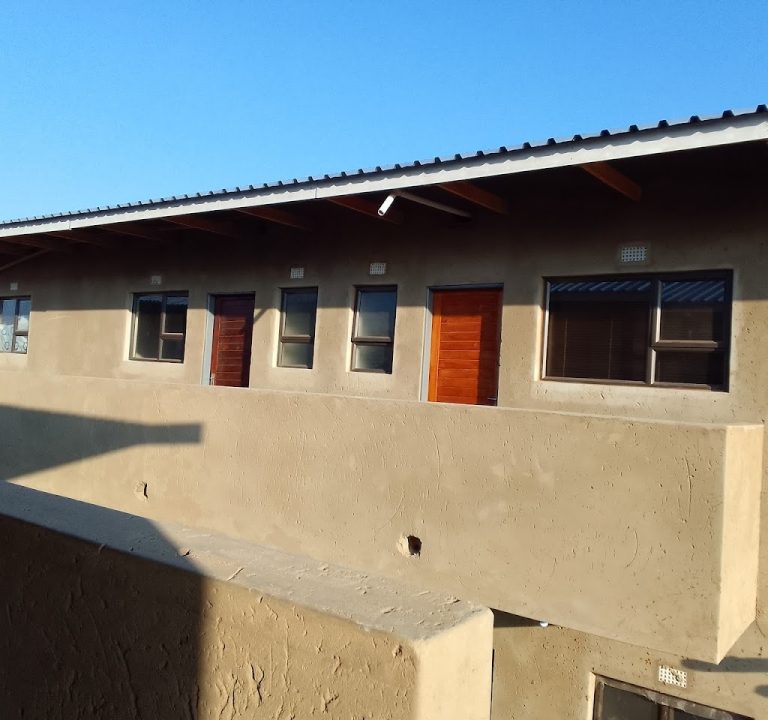
Accommodation in Soweto ranges from intimate guesthouses and B&Bs to more modern lodges and small hotels. Many properties are family‑run and place a strong emphasis on personal service and a welcoming atmosphere. Common amenities include breakfast options, free parking, Wi‑Fi, and daily housekeeping, with some establishments offering shuttle services or arranged tours. Because Soweto is a large area with distinct moods in different neighbourhoods, it’s worth comparing locations to match your interests—whether you want easy access to historic streets, markets, or quieter residential streets for restful evenings.
Areas to consider include high‑energy corridors near main streets where sound and activity linger late into the evening, and quieter, residential enclaves that feel more like a home away from home. For a sense of proximity to cultural highlights, you may prefer options near Vilakazi Street or Walter Sisulu Square, while others might opt for lodging closer to transport links or shopping centres. Regardless of the setting, choosing a property with secure parking and reliable access to public transport is a practical advantage in Soweto.
Transport options are a practical consideration when planning your stay. Many visitors rely on private taxis or rideshares for door‑to‑door convenience, while others use a combination of long‑distance public transport and local taxi services. If you plan to drift between sites, look for accommodation with transfer arrangements or advice from the host on the best routes. For those who enjoy exploring on foot, staying in a central area with walkable routes to markets, churches and squares can be particularly rewarding. Consider how often you expect to travel by car or on public transport, and select a location that minimises daily transfers.
Best time to visit Soweto tends to align with the South African winter and spring, when days are generally dry and comfortable. May to September offers mild daytime temperatures and clearer skies, which can be ideal for outdoor exploration and walking tours. During the wetter summer months, showers are possible, but this can also bring lush scenery and a different rhythm to street life. If you are planning a stay that includes events or markets, check seasonal calendars and local listings for times when communities host music, food and cultural activities.
When booking, several practical considerations help ensure a smooth stay. Look for hosts who provide clear directions, recommended local spots, and honest details about the accommodation and neighbourhood. Confirm what is included in the rate—whether breakfast is offered, if Wi‑Fi is reliable in all rooms, and whether there is on‑site parking or secure storage for luggage. If you anticipate early starts or late returns, ask about 24‑hour reception or staff availability. Accessibility is another important factor for some travellers; check room layouts and facilities if you have mobility requirements. Finally, read recent guest reviews to gauge consistency in cleanliness, service and security.
- Consider your priorities: proximity to Vilakazi Street, the Apartheid Museum region, or major transport hubs.
- Assess security and parking arrangements, especially if you will be driving or arriving late.
- Ask about breakfast options, dietary needs, and guest‑facing facilities such as a shared lounge or garden.
- Check whether the property can assist with arranging guided tours, walks, or visits to local markets and cultural centres.
Attractions in Soweto span history, culture and everyday life. You may encounter guided walks that explain the dynamics of the townships, with perspectives on significant moments and enduring neighbourhoods. Iconic sights often highlighted in visitor itineraries include historic streets, churches, and public squares where community life unfolds. Nearby Johannesburg also offers a broader palette of museums, galleries and dining experiences, providing an opportunity to combine a Soweto stay with day trips into the wider region.
Dining in Soweto is a social experience as much as a meal. Many local eateries focus on welcoming atmospheres, generous portions and traditional flavours, with options that range from casual coffee shops to modest family‑run bistros. Rather than chasing specific branded venues, look for places that emphasise fresh ingredients, warmth, and a convivial vibe, where you can observe daily life, chat with locals and feel part of the neighbourhood. For planning meals during your stay, your host can often suggest reliable places nearby and offer guidance on peak times and popular dishes.
Practical tips for a pleasant stay include arriving with a sense of curiosity and respect for the local communities. Dress comfortably, especially if you plan to walk or explore markets. Be mindful of safety and follow local guidance, particularly when moving after dark. Engaging with hosts and hosts’ recommendations can unlock unique experiences, from artisan markets to more intimate community‑led activities. And keep a flexible attitude—Soweto’s energy shifts with the day, and you may discover a new café, a friendly conversation, or a street performance that becomes a memorable highlight of your trip.
In short, a stay in Soweto can be a wonderfully immersive experience when you choose accommodation that suits your style, plan transport around your interests, and keep an open heart for authentic local encounters. Whether you prioritise proximity to historic streets, convenient access to transport, or a more relaxed, home‑like vibe, Soweto offers a warm welcome and a doorway into South Africa’s complex, fascinating past and its lively present. For more information, you can explore official tourism pages and local hospitality sites to compare options and book with confidence.