Staying in Soweto: Accommodation, Attractions and Practical Tips
Soweto, or South Western Townships, offers a rich blend of history, culture and warm hospitality. For visitors seeking a comfortable base from which to explore Gauteng, the area provides a range of accommodation styles—from intimate guest houses and B&Bs to small hotels and self‑catering options. A stay centred around one or two well‑connected neighbourhoods can maximise your time and minimise travel, while still delivering a flavour of local life.
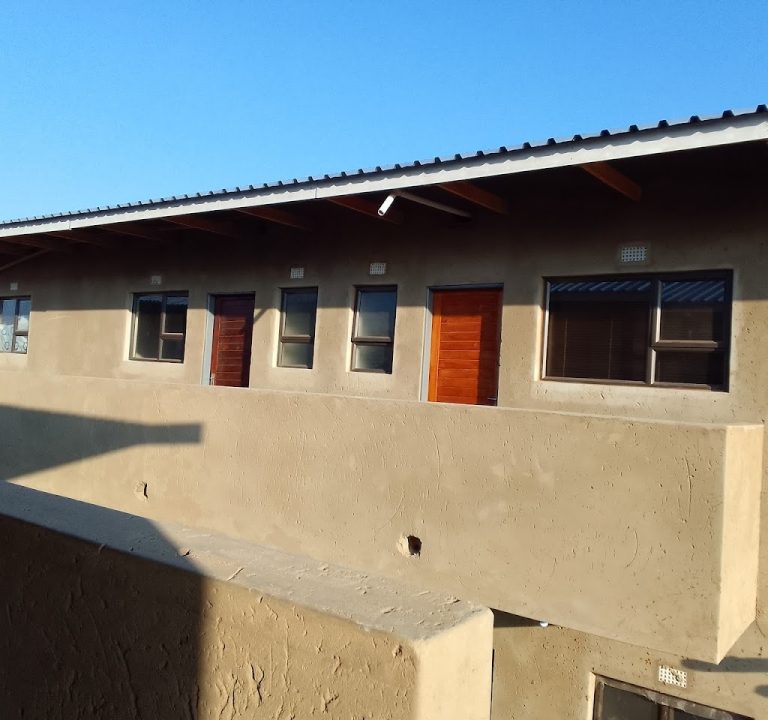
Central Cottages, a well‑located option within Soweto, illustrates the charm of a guest house approach: homely rooms, friendly hosts and a focus on practical comforts. When planning a stay, consider not just the room rate but what matters most for you—quiet nights, easy access to dining, or proximity to sights. Soweto is best explored with a flexible plan, allowing for both guided experiences and moments to wander at your own pace.
Areas to consider include higher‑density residential zones with easy access to transport and local markets, as well as quieter corners that feel more intimate and village‑like. Pimville, Naledi, Phiri, and Orlando offer different atmospheres, while areas near central landmarks tend to be well served by taxis, minibus taxis, and ride‑hailing services. When researching accommodation, look for options that provide clear directions to main routes, nearby bus or taxi points, and practical information about parking if you’re travelling by car.
Typical amenities to expect at a good Soweto base include comfortable beds with quality linen, clean en suite bathrooms, reliable hot water, and a personal touch from hosts who can share practical tips about local transport and safe walking routes. Consider whether you’ll need self‑catering facilities, a continental or local breakfast, and access to communal spaces where you can meet other travellers. Some guest houses and small hotels offer guided city tours or assistance with arranged experiences; these can be especially handy for first‑time visitors.
Transport is a practical consideration. Soweto is well connected by major roads, but traffic can be heavy at peak times. If you’re staying near main routes or busy hubs, you’ll benefit from proximity to public transport options or reliable private transfer services. For longer stays, arranging a practical balance between door‑to‑door transport and foot exploration helps you see museums, markets, and historic sites without over‑planning. If you plan to visit inner‑city Johannesburg on some days, choosing a base near a convenient transport node can simplify movements.
The best time to visit Soweto depends on what you want from your trip. Spring and autumn offer comfortable daytime temperatures for walking tours and outdoor markets, while winter can be cooler but often drier. Summer brings longer days and lush neighbourhood life, though afternoons can bring heat and rain. Consider local events and markets when booking your dates—these can enhance your stay with additional cultural experiences, music, and street food opportunities.
When it comes to planning an itinerary, a mix of experiences works well. You can start with an introduction to Soweto’s history and daily life by exploring museums and heritage sites, followed by a stroll through vibrant streets and markets. Rest days in your schedule allow time for a café breakfast, a relaxed lunch, or a simple riverside or park visit if nearby. For evening meals, seek out casual eateries that showcase South African flavours in approachable ways, from hearty braais to fresh, family‑style dishes. Restaurants in Soweto typically emphasise generous portions and a convivial atmosphere rather than fine‑dining pretensions, making them ideal for sociable evenings after a day of exploring.
Practical planning tips for a smooth stay:
- Book with hosts who offer clear arrival instructions and local tips for safe walking routes and affordable transport.
- Check whether the property has secure parking or convenient access to taxi or ride‑hailing services.
- Ask about breakfast options and potential dietary requirements to avoid last‑minute surprises.
- Request information on nearby sights and suggested day plans to maximise your time.
Attractions to consider in general terms include heritage museums and interpretive sites, vibrant streets that reflect the area’s living culture, and parks or viewpoints where you can take in the cityscape. Guided tours can offer insightful context, while independent exploration allows for spontaneous discoveries of markets, murals and community spaces. Dining experiences often centre on familiar favourites—delicious grilled meats, hearty stews, and fresh produce—paired with warm hospitality. If you wish to extend your stay, you can also look for connections to broader Gauteng attractions, such as easy day trips or combined tickets that provide a broader sense of the region’s history and landscape.
Finally, plan your travel with flexibility in mind. Soweto rewards curious travellers who balance scheduled visits with time to absorb local life. With thoughtful accommodation choices, practical transport planning and an open approach to dining and sites, you can enjoy a memorable stay that feels both authentic and comfortable. For more information and ideas, you may wish to visit official tourism pages and local guest house listings online, which can help you compare options and read recent guest reviews.