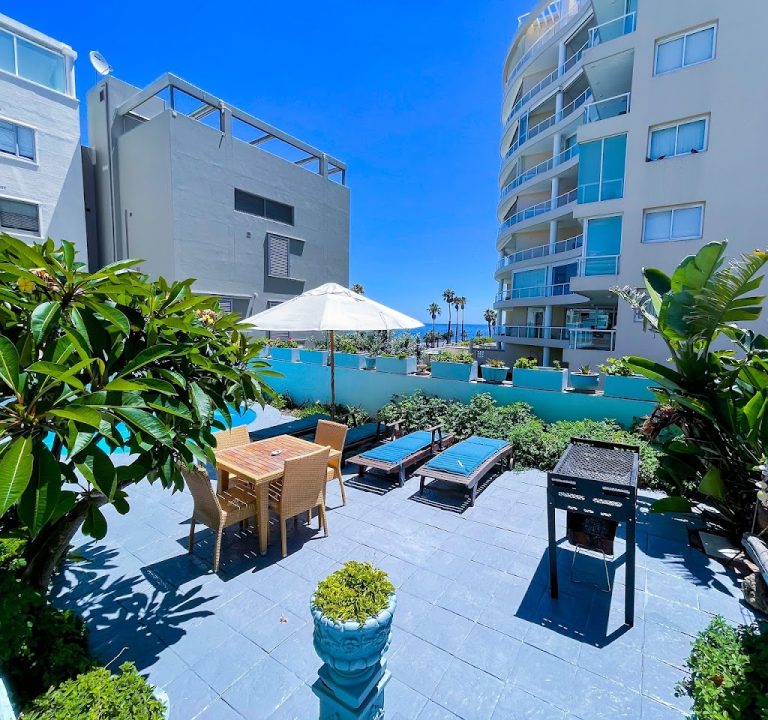
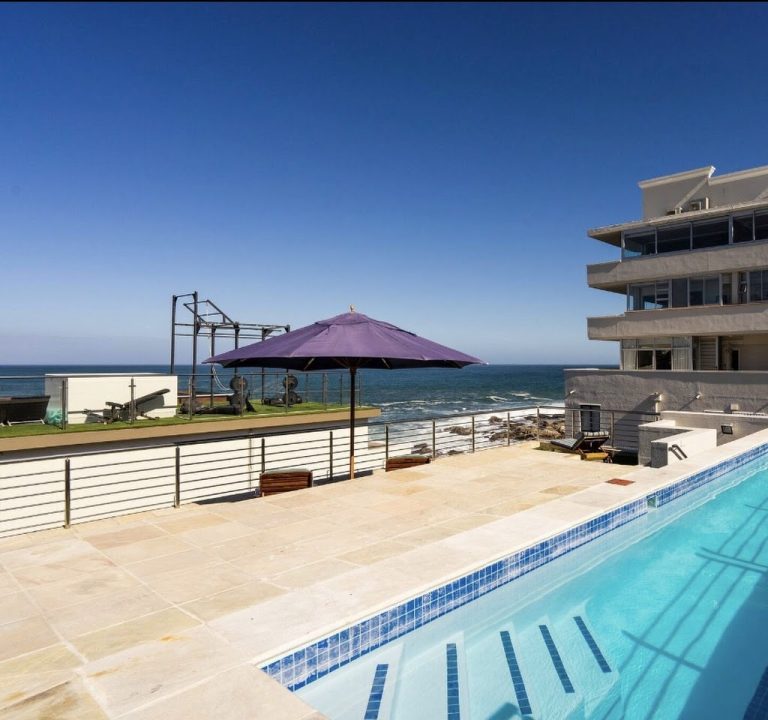
Cape Town: accommodation, attractions and practical planning for a memorable stay
Cape Town offers a diverse mix of places to rest your head, from cosy guest houses and boutique B&Bs to stylish lodges and modern city hotels. When planning a stay, think first about the area that best suits your style and planned activities. The City Centre and the vibrant surrounds of the City Bowl are convenient for museums, theatre and nightlife; the Atlantic Seaboard locations like Camps Bay and Sea Point provide dramatic coastal vistas and easy access to beaches; and the Constantia Valley offers leafy tranquillity and proximity to wine estates. For a more peaceful escape, overnight in the nearby Cape Peninsula or in the Constantia valley, with day trips to the harbour and iconic viewpoints conveniently scheduled.
Accommodation options vary in character and price, but most reliable properties share common features. Expect well-presented rooms with private or en-suite bathrooms, clean linen, and Wi‑Fi. A growing number of guest houses and boutique hotels place a premium on breakfast, offering home-cooked options that showcase local flavours. Practical amenities to look for include secure parking or easy access to public transport, flexible check-in, reliable water and heating, and clear information about nearby eateries and activities. For families or longer stays, consider self-catering options or suites with kitchenettes. If you’re staying at a small guest house such as Craigrownie, you may encounter a more personalised service, with hosts able to advise on local routes, markets and day trips.
Booking wisely involves a few simple checks. Read recent guest reviews for insights into consistency, cleanliness, and how friendly the staff are. Check cancellation policies in advance—some properties offer flexible terms during shoulder seasons. Note the inclusions: is breakfast offered, and if so, is it continental, full English-style, or a regional twist? Look at access to transport: is parking included, and how convenient is it to reach MyCiTi bus routes, Uber, or car hire services? If you prefer quiet nights near the coast, ask about noise levels and window arrangements. Finally, review the property’s policy on safety features such as secure entry, well-lit access, and in-room safes for valuables.
Transport in Cape Town is practical and varied. The MyCiTi bus network covers many tourist-friendly routes, while Uber and rideshare services provide flexible door-to-door options. Car rental offers the most freedom for scenic drives to the Cape Peninsula, the Cape Winelands, or the nearby beaches. If you plan to explore the peninsula, budgeting for a parking permit or convenience of on-site parking at your accommodation can save time. For short stays near the V&A Waterfront, you’ll often find walkable access to attractions, coffee shops and casual dining. The weather is generally mild, but coastal winds can be strong; packing a light shawl or jacket for cooler evenings is sensible even in summer.
Best time to visit Cape Town depends on your priorities. Spring (late August to November) brings wildflowers and pleasant temperatures; summer (December to February) offers longer days and great beach conditions; autumn (March to May) provides calmer crowds and reasonable prices; winter (June to August) can be cooler and windy, yet has fewer tourists and a quiet charm. Outdoor attractions can be enjoyed year-round, though some coastal activities are more enjoyable in certain seasons. If you’re planning day trips to the winelands or hiking Table Mountain, book in advance where possible during peak months to secure preferred times and comfortable transfers between venues.
When it comes to experiences, Cape Town offers more than just iconic views. You’ll find scenic coastal drives, markets with artisanal goods, and a broad spectrum of dining options—from coastal seafood venues to contemporary bistros and fine-dining establishments. In the surrounding neighbourhoods, many places prioritise fresh, seasonal ingredients and influences from local producers. Even without naming specific restaurants, you can expect a mix of casual eateries with harbour views, family-friendly spots near parks, and sophisticated venues that pair wine with regional dishes. If you enjoy wine tasting, a day trip to the nearby wine routes can be a highlight, with several estates offering tours, tastings, and picturesque gardens to explore.
Practical tips to make the most of your stay:
- Choose accommodation with clear photos and recent reviews, and confirm the inclusion of breakfast or service charges before arrival.
- Ask hosts or reception for the best local markets, scenic viewpoints, and safe walking routes at night.
- Pack layers to adapt to changing coastal weather; evenings can be breezy even in warm months.
- Plan essential activities with realistic travel times, especially if you rely on public transport or guided tours.
- Respect local guidelines and cultural norms, and be mindful of safety in busy tourist areas.
In summary, Cape Town rewards thoughtful planning and an eye for variety. Whether you prefer a charming guest house with a personal touch, a stylish boutique hotel in the heart of the city, or a tranquil retreat near vineyards or the coast, you’ll find accommodation to suit your pace. Use local knowledge—often available from hosts or guest house managers—to tailor your itinerary, balancing must-see sights with time for leisurely breakfasts, sunset walks, and unhurried evenings. For a uniquely South African stay, consider pairing your accommodations with a few curated experiences, then explore the city’s contrasts—from mountaintop panoramas to harbour breezes and market rhythms.