Staying in Cape Town: accommodation, areas to consider and planning tips
Finding the right place to stay in Cape Town sets the tone for a memorable visit to the Western Cape. The city offers a broad spectrum of options, from chic boutique stays and self‑catering holiday apartments to family‑friendly guesthouses and luxury hotels. When planning, start by thinking about how you want to spend your days: iconic landscapes, cultural experiences, beaches, or easy access to wine country. Your choice of neighbourhood will shape not only the pace of your holiday but also how easy it is to reach the city’s top sights and nearby excursions.
One of the most popular strategies is to base yourself in a few well‑connected neighbourhoods, either for part of your trip or for a longer stay, to minimise daily travel while maximising convenience. The city’s coast offers dramatic scenery and maritime vibes, while the inner city provides easy access to museums, markets and vibrant dining spaces. Suburban enclaves near the Atlantic Seaboard frequently appeal to families and travellers seeking a peaceful base with ocean views and ample parking. If you are keen to explore the Cape Peninsula, a stay near Camps Bay, Clifton, or the V&A Waterfront can be practical, though traffic and hills should be factored into daily plans.
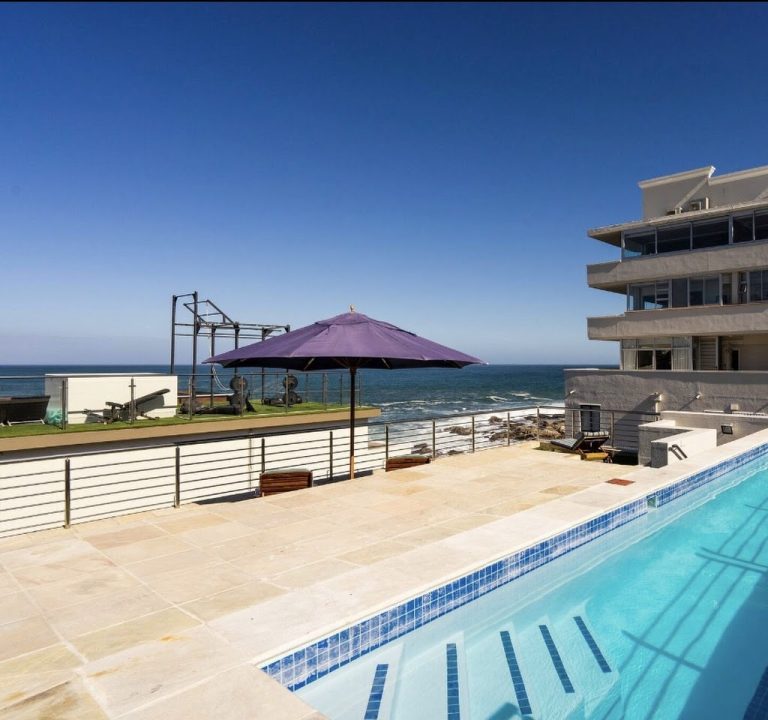
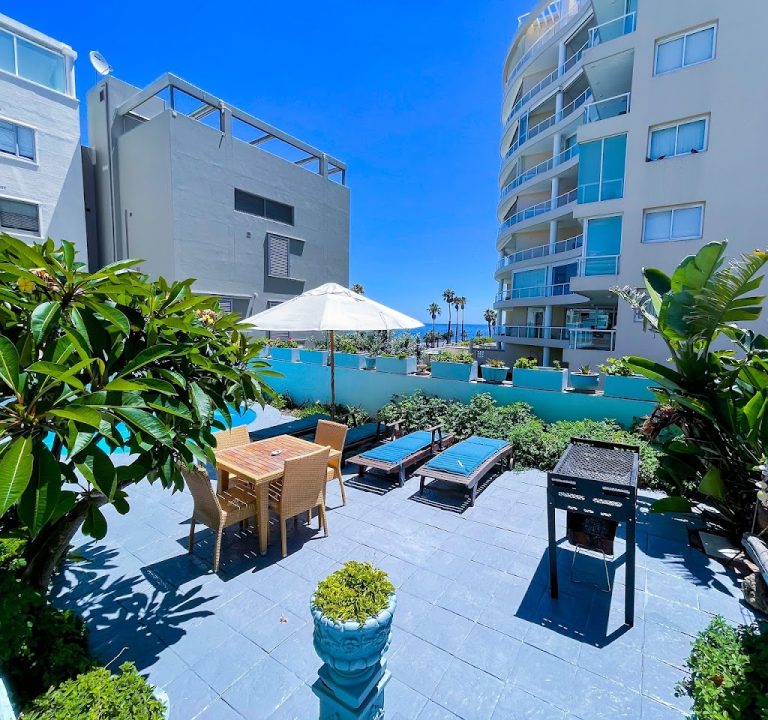
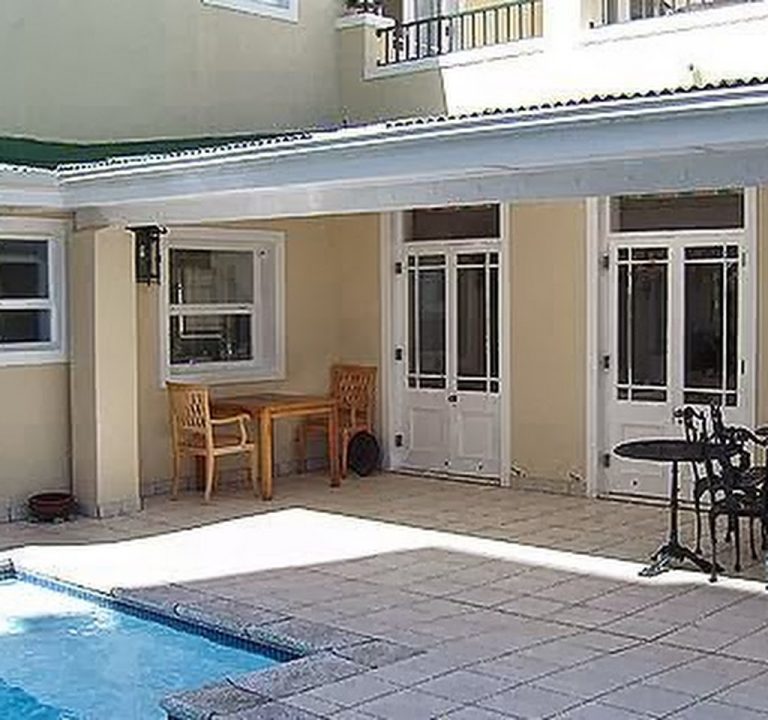
Typical accommodation types include stylish self‑catering apartments, serviced suites, guesthouses with breakfast options, and intimate boutique hotels. When booking, look for a clear description of the space, photos that reflect the actual size and layout, and reviews that address cleanliness, comfort, and the reliability of Wi‑Fi. For holiday apartments in particular, assess how well the kitchen is equipped, the availability of laundry facilities, and whether there is a private balcony or access to shared facilities such as a pool or garden. If you prefer a full board experience, a guesthouse or hotel with on‑site dining can simplify routines and enhance security for solo travellers or families.
Practical planning tips at booking time include verifying the accessibility of public transport and the ease of car parking. Cape Town’s MyCiTi bus network and rail links can be convenient for coastal and central areas, but many visitors find a car or organised tours useful for reaching views and wine regions beyond the city centre. If you plan to drive the scenic routes along the Atlantic coast or to the Cape Winelands, check whether parking is available at your accommodation and whether on‑street parking is safe and accessible. For guests preferring pedestrian‑friendly stays, consider locations with walkable routes to restaurants, bars and markets, especially in the City Bowl and along the Victoria & Alfred Waterfront.
Best time to visit Cape Town hinges on priorities. Summers (November to March) are warm and sunny, ideal for outdoor adventures and beaches, though it can be crowded around major sights. Winters (June to August) are cooler and wetter, with the landscape turning lush; this period can be excellent for fewer crowds and more affordable rates, particularly for inland activities and wine shuttles. Shoulder seasons in spring and autumn often offer a balance of pleasant weather and reasonable prices, with shorter queues at popular spots and more comfortable temperatures for hiking up Table Mountain or exploring the Cape Peninsula coastline.
When you plan activities, consider a mix of outdoor experiences, cultural encounters and culinary discoveries. Iconic hikes and viewpoints are a draw, while the city’s harbour and waterfront areas provide a gateway to boat trips, markets and dining that celebrate regional ingredients. Day trips to nearby attractions—such as Cape Point and the Cape Winelands—are popular, with many operators offering guided routes that combine tasting stops with scenic drives. Dining ranges from casual eateries serving bistro dishes to refined restaurants that showcase seafood, African flavours and contemporary cuisine. It is wise to reserve dinners during peak seasons, especially on weekends, and to explore a few neighbourhood eateries to experience local conviviality and hospitality.
For a comfortable holiday rhythm, consider a two‑station plan: a central stay for city accessibility, and a more relaxed base near the coast for a few nights. This approach lets you wake to sunrise over the Atlantic, enjoy a late breakfast, then head into town for museums, markets or a harbour stroll. If your travel party includes children or older travellers, seek accommodation with easy lifts, non‑slip flooring, and a sensible layout. For photographers and nature lovers, mornings before the crowds offer remarkable light for coastal and hillside views, while late afternoons bring dramatic skies and golden hour opportunities along the peninsula and Table Mountain steps.
- Neighbourhoods to consider: a central district with easy walking access to museums and markets; a coastal area with beaches and scenic walks; a leafy suburb with calmer streets and garden spaces.
- Amenities to prioritise: reliable Wi‑Fi, secure parking, self‑catering facilities or on‑site dining, a comfortable bed, good heating or cooling, and access to outdoor spaces.
- Transport planning: proximity to public transport, rental car availability, and walkability to dining and attractions.
- Safety and convenience: well‑maintained properties, clear access instructions, and trusted booking platforms with recent guest reviews.
Ultimately, Cape Town rewards guests who plan with flexibility and a sense of discovery. If you have a particular area in mind—whether it be the vibrant inner city, the fashionable Atlantic Seaboard, or a tranquil enclave near the Constantia Valley or Kalk Bay—book with a view to balancing downtime with day trips. For further inspiration, many official tourism sites offer practical guides, suggested itineraries, and links to reputable operators. And when you are ready to book, a trusted accommodation listing or the property’s own website can provide detailed information on what is included, how to access the space, and what to expect on arrival.