Accommodation and experiences in Rustenburg, North West: planning your stay and making the most of it
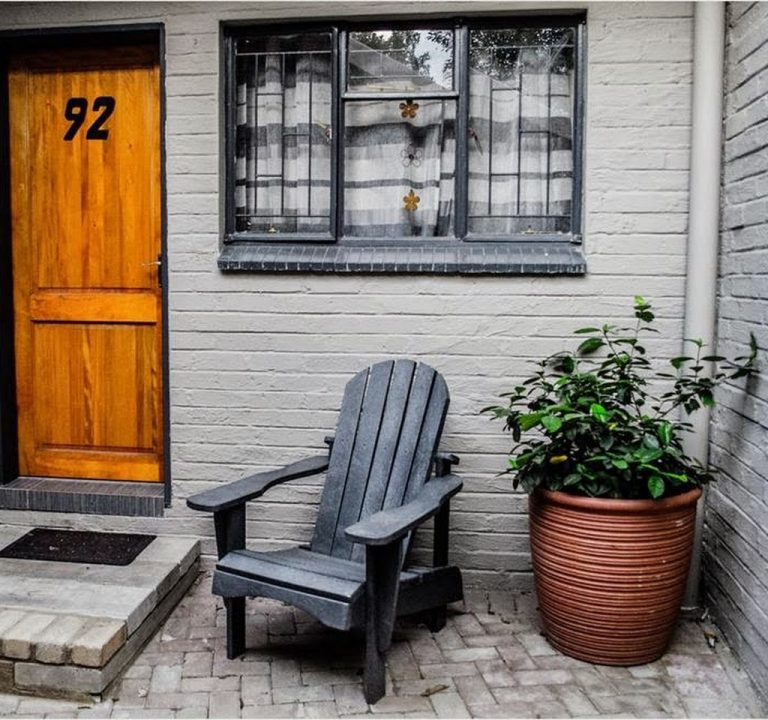
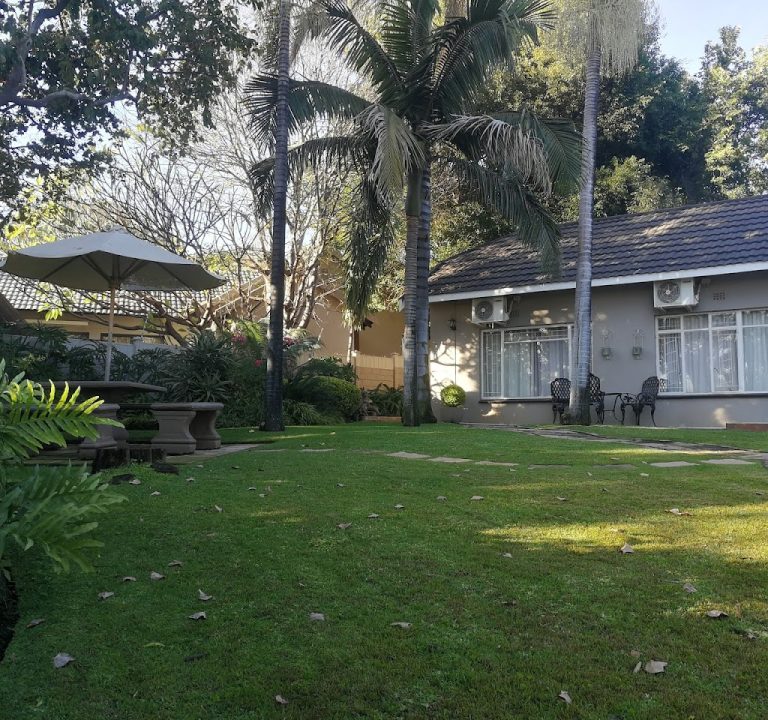
Rustenburg sits at the edge of the Magaliesberg range, a gateway to South Africa’s North West province. It’s a practical base for travellers who want to explore the Highveld’s sweeping savannahs, nearby nature reserves, and the intriguing blend of mining heritage and modern town life. When choosing where to stay, consider what you want most from your visit: a peaceful retreat after long days of sightseeing, a convenient location for day trips, or a social hub with easy access to eateries and markets. One well‑regarded option in the area is Cottage The B&B, a bed and breakfast that illustrates the kind of friendly, comfortable accommodation you can expect in Rustenburg. While independent properties vary in style, you’ll typically find a range of intimate guesthouses, small hotels, and self‑catering cottages that suit short breaks or longer stays.
Areas to consider when planning your visit include:
- Rustenburg town centre and the outskirts, which offer easy access to shops, markets and a handful of dining options. This area tends to be practical for travellers who want straightforward access to transport routes.
- Neighbouring suburbs and lodgings that sit closer to the Magaliesberg foothills. These locations can provide quieter environments and quicker routes into natural areas.
- Proximity to nature reserves and wildlife experiences. If your itinerary focuses on outdoor adventures, choosing a base within a short drive of reserves helps maximise time in the outdoors.
What to look for when booking a stay in Rustenburg:
- Comfortable, clean rooms with reliable hot water, good bedding, and privacy. A well‑maintained guesthouse or boutique hotel can significantly boost your overall experience.
- Practical amenities such as on‑site parking, Wi‑Fi, optional breakfast, and a resident or on‑site host who can offer local tips.
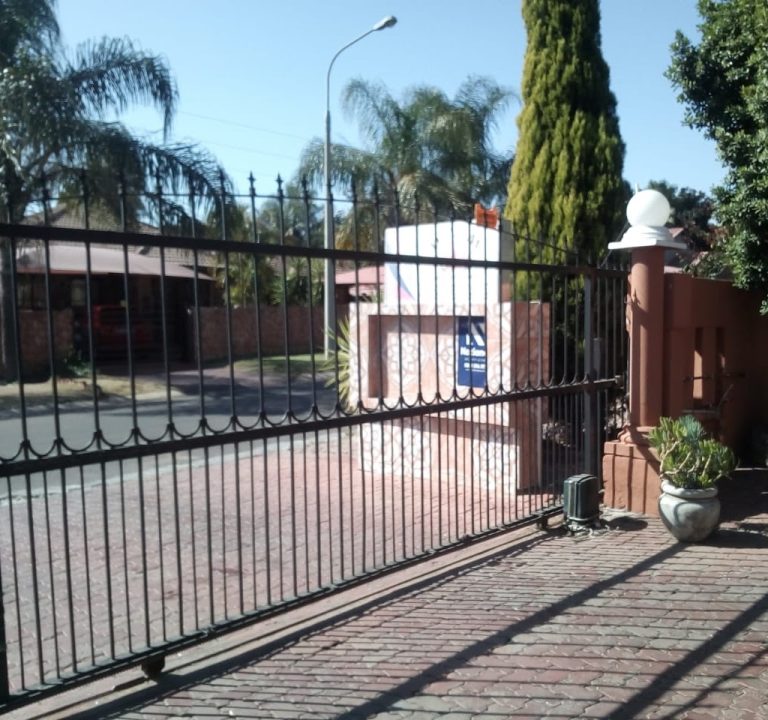
- Safety and accessibility, including well‑lit entrances, secure parking, and straightforward access to major roads and alternative transport options.
- Clear information about check‑in and check‑out, policies on cancellations, and any extra services (for example guided local tours or restaurant recommendations).
- Honest descriptions of room layouts and facilities in the listing or on the property’s own website so you know what to expect.
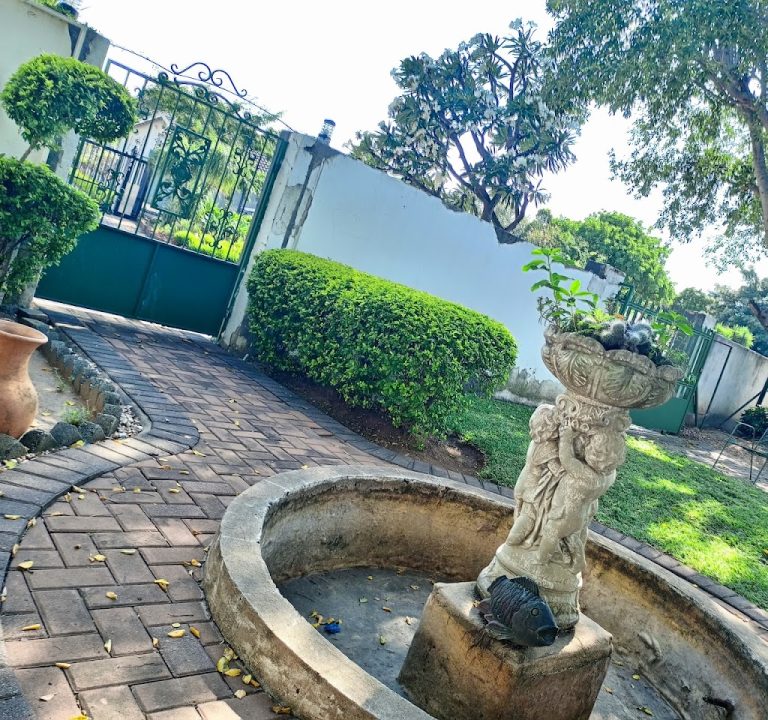
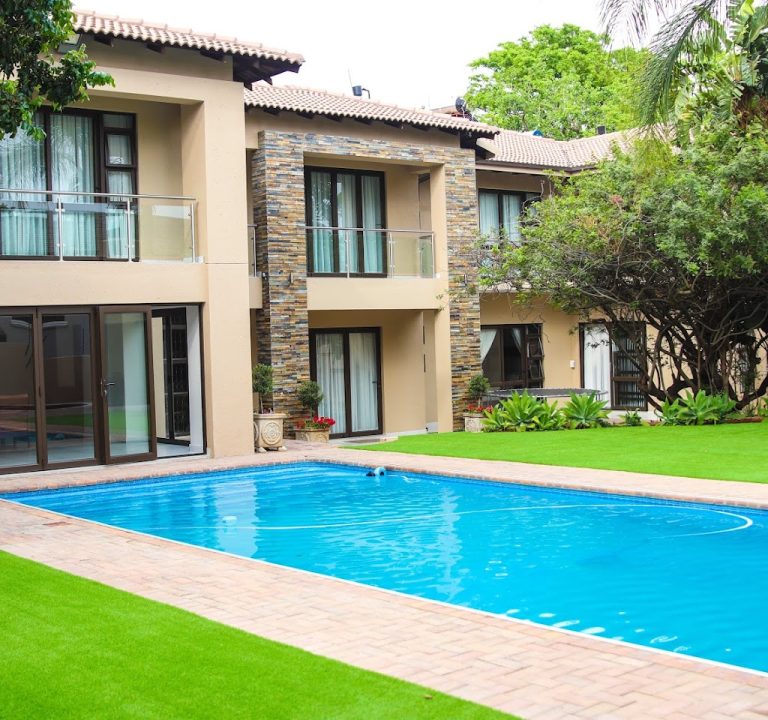
Typical amenities you may encounter include en‑suite bathrooms, air conditioning or fans for the warm months, generous laundry access, and common lounge areas. In a smaller B&B like Cottage The B&B, you might also find regional touches such as homemade breakfasts, a garden seating area, and a welcome with insights into local spots worth visiting. Even if breakfast isn’t included, many guests appreciate the option of a light meal or the chance to chat with hosts about day plans and local eateries.
Transport and getting around:
Rustenburg is best explored with a car, as public transport options are limited compared with larger cities. If you’re not driving, consider arranging airport or city transfers through your accommodation, or plan to book reputable locally‑run taxi services for day trips. When planning excursions, factor in the time required for driving in the region’s traffic, exposure to the sun, and the potential for seasonal heat. A practical plan is to map out a couple of key day trips and use your base as a convenient home for the evening, rather than trying to cram too many distant locations into a single day.
Best time to visit:
The North West region enjoys a warm climate for most of the year. The dry winter months can be particularly pleasant for outdoor activities and wildlife viewing, while the summer season brings warmer days and occasional showers. If you’re seeking outdoor experiences such as nature walks or guided safaris, aligning your stay with the dry season can improve visibility of wildlife and ease travel conditions. Always check the local forecast as weather patterns can influence outdoor plans and comfort levels.
Attractions and experiences in general terms might include:
- Access to natural landscapes, including scenic viewpoints and hiking routes that showcase the Magaliesberg’s rugged beauty.
- Day trips to nearby reserves where guided walks or self‑guided exploration provide opportunities to observe flora and fauna in their habitat.
- Markets, crafts, and community events that illuminate local culture and craftsmanship, offering a pleasant way to spend an afternoon or evening.
Food and dining in Rustenburg tends to span casual cafés, bistros, and family‑run eateries, with menus that showcase local produce and international influences. When staying in Rustenburg, you’ll typically have convenient access to breakfast options at your accommodation, and a short ride can lead you to a range of dining choices for lunch and dinner. If you enjoy a flexible plan, your host can often recommend reliable spots that suit your tastes and budget, and may even suggest a route that combines a meal with a scenic drive.
Practical tips for a smooth stay:
- Book in advance if you’re visiting during peak travel periods or around school holidays, especially for popular accommodations close to nature reserves.
- Read guest reviews carefully to understand the practicality of facilities, noise levels, and how responsive hosts are to guest needs.
- Pack sun protection, a light layer for cooler evenings, and adaptors if you plan to use electronic devices that require them.
- Plan a flexible itinerary that balances indoor downtime at your accommodation with outdoor exploration, reducing fatigue and allowing time for spontaneous discoveries.
Rustenburg provides a grounded, welcoming base for travellers who want to experience the North West’s landscapes, cuisine, and culture without sacrificing comfort. Whether you choose a cosy B&B like Cottage The B&B, a boutique guesthouse with a garden setting, or a practical town‑centre hotel, careful planning around location, practical amenities, and transport will help you build a rewarding itinerary that suits your pace and interests.