accommodation and experiences in Rustenburg, North West
Rustenburg, tucked in the North West Province of South Africa, offers a mix of country‑style lodges, modern hotels and guesthouses that suit travellers seeking easier access to the Magaliesberg range and nearby nature reserves. The town itself provides a convenient base for exploring the surrounding countryside, while nearby attractions and scenic routes add variety to your itinerary. When planning a stay, think about location, transport links and the kind of experience you want—from tranquil bushveld scenery to family‑friendly stops and easy access to day trips.
Where to stay and how to choose your area
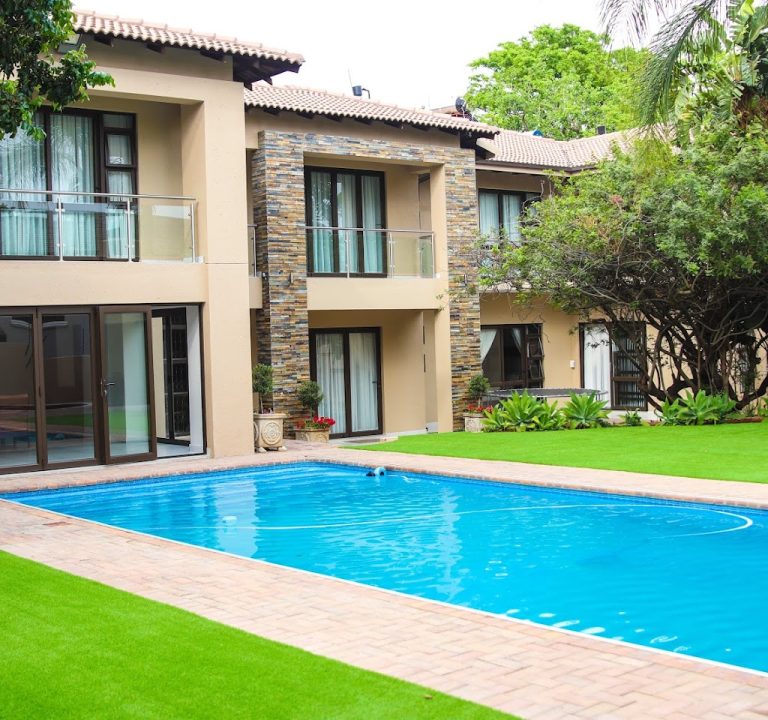
Your choice of area will shape your experience. The central business district and the northern suburbs tend to offer easy access to shops, eateries and services, while the areas closer to the Magaliesberg foothills provide a more relaxed, lodge‑style ambience with quick access to nature trails. If you prioritise wildlife‑oriented day trips or outdoor activities, look for properties with easy routes to nature reserves and scenic drives. For families or groups, a larger guesthouse or small hotel with amenities like a pool and a communal lounge can be a practical base.
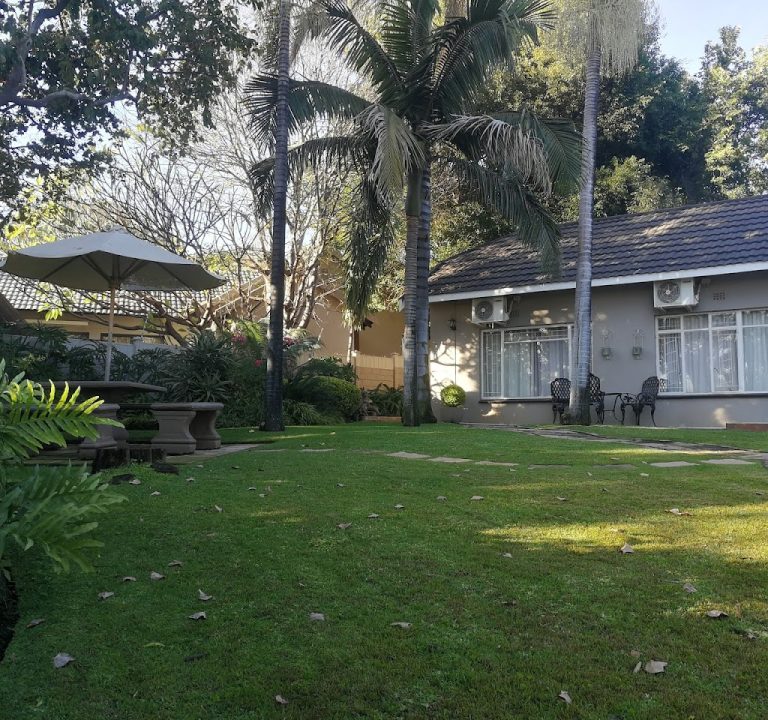
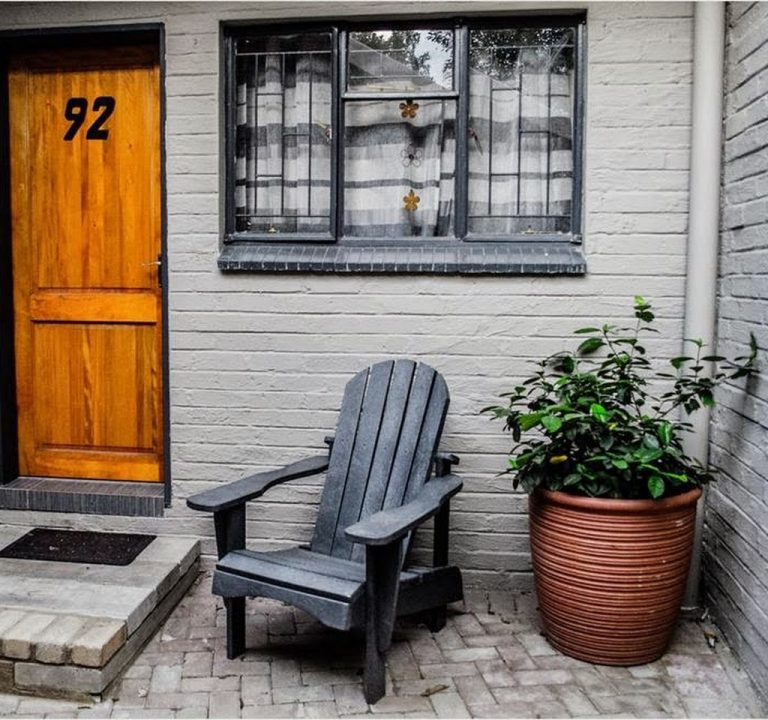
Typical accommodation options you’ll encounter include guesthouses and B&Bs with personalised service, mid‑range city hotels offering reliable comfort, and larger lodges or boutique hotels that blend modern facilities with a touch of bushveld character. Cashan BnB, for example, represents the kind of approachable option that combines comfortable rooms with straightforward access to the surrounding countryside. When choosing, consider:
- Accessibility and parking: secure parking or on‑site parking is a plus if you plan to hire a car.
- Room configuration: whether you need family rooms, suites, or twin/double options.
- Amenities: reliable Wi‑Fi, air conditioning, a pool, a restaurant on site, and facilities for travellers with mobility needs.
- Quiet zones vs. central access: a quieter street near nature trails versus a property closer to dining and shops.
- Soundproofing and comfort: especially important in shared guesthouses or smaller hotels.
What to look for when booking
Booking with clarity helps prevent surprises. Look for clear descriptions of room types, breakfast policies, and any included facilities. Check cancellation terms, especially during peak travel periods. If possible, read recent guest reviews to gauge consistency in housekeeping, staff helpfulness and the accuracy of advertised amenities. Verify Wi‑Fi reliability if you need to work or stream, and ask about shuttle or taxi services if you won’t have a car. For stays near nature reserves, confirm gate opening times and whether early departures or late arrivals incur extra charges.
What to expect in terms of amenities
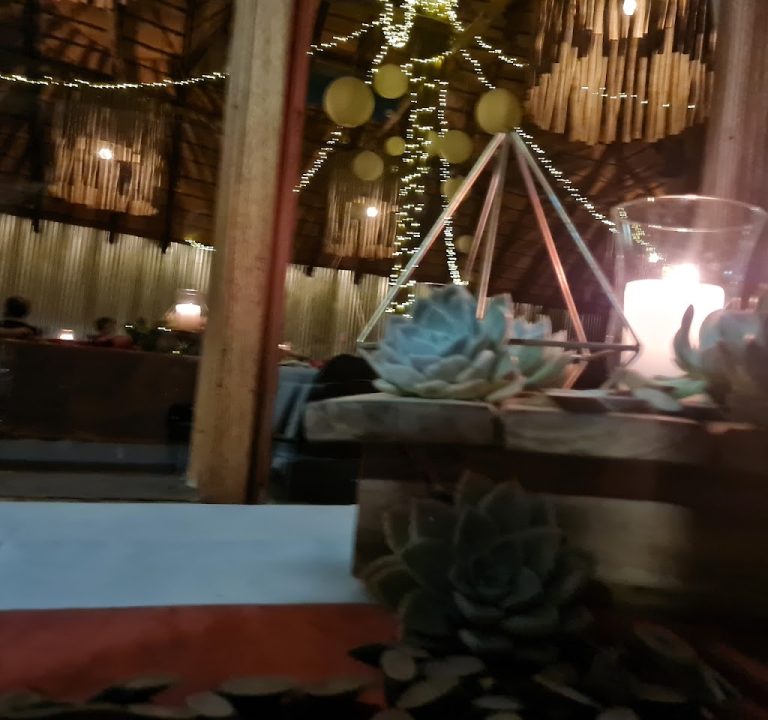
Most properties in and around Rustenburg offer a comfortable baseline: air‑conditioned or fan‑equipped rooms, en suite bathrooms, and a selection of breakfast options. Pools and outdoor seating areas are common, particularly at family‑friendly lodges and guesthouses. Some accommodations also feature self‑catering facilities, communal kitchens or braai (BBQ) areas, and on‑site dining options ranging from light meals to full restaurant service. If you value a strong social or communal atmosphere, choose a place with shared lounges or verandas where fellow travellers mingle.
Transport and getting around
Having a car is often the most convenient way to explore Rustenburg and the surrounding landscapes. Roads to and from Johannesburg and Pretoria are well maintained, and many lodges provide parking or arrange transfers. If you prefer not to drive, inquire whether the property can arrange guided day trips or airport transfers. Local taxis and ride‑hailing services are generally available, but plan ahead for peak traffic times. When planning day trips, consider the logistics of reaching nature reserves, viewpoints and any cultural sites you wish to visit.
The best time to visit
Rustenburg enjoys a generally warm climate, with hot summers and mild winters. The dry winter months (roughly May to August) often offer comfortable days and clearer skies, making wildlife viewing and hikes enjoyable. Spring and autumn bring pleasant temperatures for outdoor activities and sightseeing. If you are visiting for outdoor adventures, align plans with the local weather patterns and reserve outdoor activities when demand is moderate. For those seeking a balance of activities and rest, shoulder seasons can provide quieter experiences and more flexible accommodation availability.
What to do: attractions, experiences and dining approach
Within easy reach of Rustenburg are natural landscapes, game reserves and outdoor activities that suit a wide range of travellers. Expect scenic drives, marked hiking trails and opportunities for birdwatching, photography and relaxed picnics. In town, you’ll find a variety of dining options that reflect South African hospitality—spots offering hearty breakfasts, casual lunches and evening meals with regional flavours. When planning meals out, consider trying a few different venues to experience culinary diversity, from light cafe fare to more substantial, home‑style dinners. Many visitors also combine their stay with a day trip to nearby parks or nature reserves that are known for walking trails, viewpoints and opportunities to observe local flora and fauna.
Practical tips for a smooth stay
Book in advance for peak periods and school holidays, especially if you require specific room types or family facilities. Bring comfortable walking shoes, sun protection and a light layer for cooler evenings. If you’re exploring outdoors, carry a water bottle and a basic first‑aid kit. Check whether your accommodation provides guest laundry or if there are nearby facilities. Finally, respect local customs and wildlife habitats, and enjoy Rustenburg’s relaxed atmosphere and the warmth of South African hospitality.
For more information and ideas on places to stay in Rustenburg, you may wish to browse official tourism resources and operator sites. For example, you can visit well‑regarded regional tourism pages for general guidance and current advisories, and check property pages for detailed descriptions and booking options.