Johannesburg: Accommodation, districts to consider, and how to plan a stay
Johannesburg, or Jo’burg to locals, is a sprawling city of contrasts where modern bars and cafés sit beside heritage streets and world-class museums. When planning a stay in Gauteng’s cosmopolitan hub, think about the district that best suits your interests and pace. From leafy suburbs with boutique B&Bs to vibrant neighbourhoods dotted with hostels and contemporary hotels, there’s an option to match most itineraries and budgets. The key is to balance location with transport access, safety considerations, and the type of experiences you hope to enjoy.
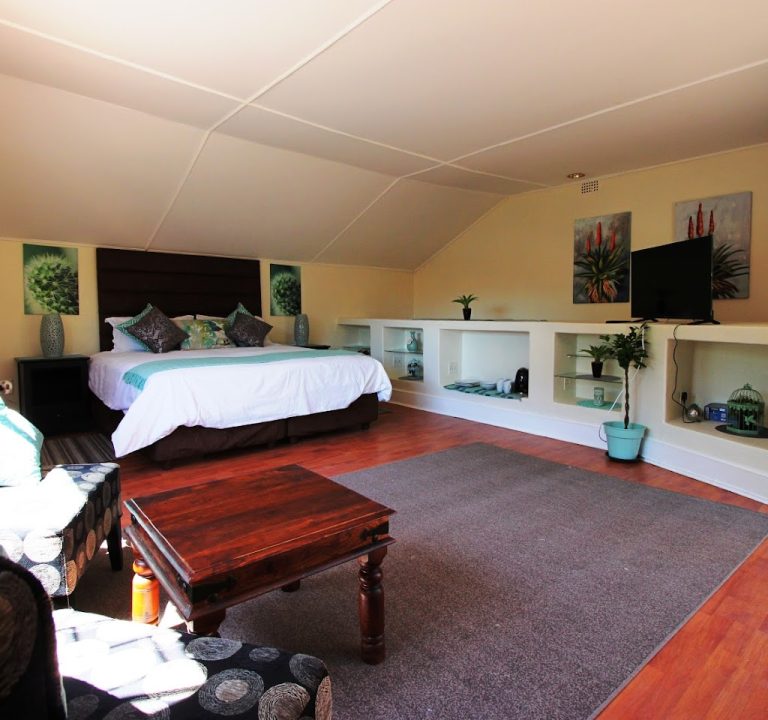
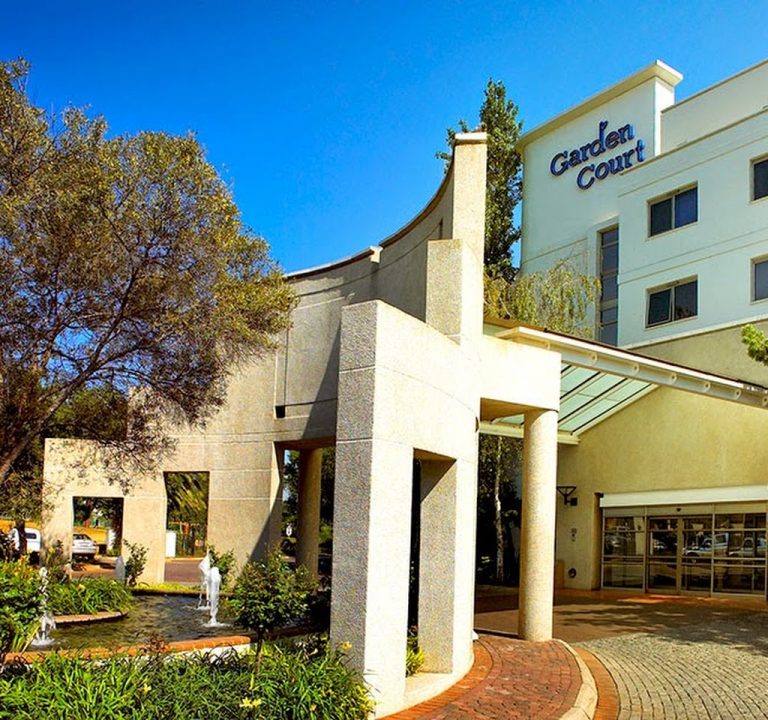
Accommodation in Johannesburg spans a wide range of styles. If you’re seeking a relaxed base with easy access to the city’s business districts, look for properties in Sandton, Rosebank, or Melrose Arch, where modern hotels and well-appointed guesthouses provide comfort after a busy day. For a more cultural and walkable feel, Braamfontein and Maboneng are popular with travellers who want proximity to galleries, street art, cafés and nightlife. If you prefer a quieter, residential vibe with convenient access to nature and family-friendly activity, consider neighbourhoods such as Parkhurst, Parktown, or Linden, where guesthouses and small hotels offer a more intimate stay.
When choosing where to stay, consider the following practicalities:
- Transport access: Johannesburg’s public transport is improving but still relies heavily on road travel. A location near a taxi route, rideshare pickup points, or a Gautrain station can save time. If you plan to self-drive, check for on-site parking and easy access to major highways.
- Safety and surroundings: Some central areas are busier at night. Read recent guest reviews about safety, street lighting, and security measures at the accommodation.
- Amenities to look for: reliable Wi‑Fi, 24-hour reception or accessible after-hours options, a well-equipped kitchenette or breakfast service, and luggage storage. For longer stays, laundry facilities and a comfortable workspace can be valuable.
- Size and style: Hostels in Johannesburg can offer social spaces and shared facilities that suit solo travellers, while guesthouses and boutique hotels often provide a more private and personalised experience.
- Budget balance: Rates vary by district and season, with business-heavy areas sometimes pricier during conferences or events. Consider midweek stays to maximise value in some neighbourhoods.
Typical amenities you may encounter include a secure entrance, clean bedding, self-catering or breakfast options,.
rooms with air conditioning or fans for the warm South African summers, and curated local recommendations. Many properties provide information on transport options, local markets, and dining districts to help you plan day trips or evening outings. If you are travelling with family or a small group, look for rooms or suites that offer flexible sleeping arrangements and a common area for social time after a day of exploring.
Planning a stay around what to do can be as important as selecting a base. Johannesburg has a broad mix of attractions and experiences that suit many interests. History buffs can explore museums and heritage sites that tell the story of the region’s development, while nature lovers may enjoy nearby parks and scenic viewpoints. Art and culture lovers will find galleries, street art tours, and creative hubs in districts known for their independent scenes. For a day trip, consider nearby parks or nature reserves that offer easy access for walking trails or scenic drives.
Foodies will discover a diverse restaurant scene across the city. In central districts and popular neighbourhoods, you’ll find a mix of casual eateries, modern bistros, and traditional South African cuisine. It is common to encounter vibrant cafés and markets where you can sample fresh produce, bakes, and speciality coffee. When planning meals, allow extra time for late dinners or weekend brunches, as many spaces start busy on Saturdays and Sundays and may close earlier on weekdays.
Best time to visit Johannesburg depends on your activities. The city experiences a temperate climate with warm summers and cooler winters. Spring and autumn offer pleasant temperatures and lighter crowds, while the festive season can be busier in popular dining and entertainment districts. Rain is more likely in the summer months, so packing a light raincoat is sensible. If you are interested in events or exhibitions, check the regional calendars in advance as some venues host seasonal programmes and pop-up experiences that may enrich your stay.
Getting around efficiently can significantly improve your stay. Depending on your chosen base, you may be able to walk to some attractions, but for broader exploration, taxis, rideshare apps, or private transfers are convenient options. Some districts offer curated walking routes or hop-on-hop-off options that cover major sights and neighbourhood highlights. If you’re considering a longer stay, renting a car can provide flexibility to explore beyond the urban core, including natural landscapes and nearby towns in Gauteng.
To wrap up, Johannesburg offers a spectrum of accommodation types that suit every traveller, backed by a dynamic dining scene and a wealth of cultural experiences. Start by selecting a district that aligns with your interests and practical needs, then look for clear information on transport links, safety, and amenities. With thoughtful planning, your stay in this vast and lively city can be both comfortable and effortlessly connected to the best that Gauteng has to offer.