Exploring Johannesburg: Where to stay, what to see, and how to plan a memorable visit
Johannesburg, or Jo'burg as many locals call it, offers a dynamic mix of neighbourhoods, architectural heritage and vibrant city life. When planning a stay, consider areas that match your pace and interests—from cosmopolitan hubs with easy access to dining and culture to quieter residential pockets that feel like a home away from home. Self-catering options, guesthouses, and boutique hotels all provide different ways to experience the city, whether you’re here for business, culture, or a longer exploration of Gauteng.
Key areas to consider for accommodation include:
- Sandton: A commercial and shopping district with modern hotels, serviced apartments and convenient access to the Gautrain station and business hubs. Great for travellers who want reliable transport links and a polished atmosphere.
- Rosebank and Melville: Walkable neighbourhoods with a mix of boutique guesthouses, self-catering units and cafes. Easy access to parks, markets and a lively dining scene.
- Braamfontein and Newtown: Creative districts with characterful stays, proximity to museums and theatres, and a youthful, energetic vibe.
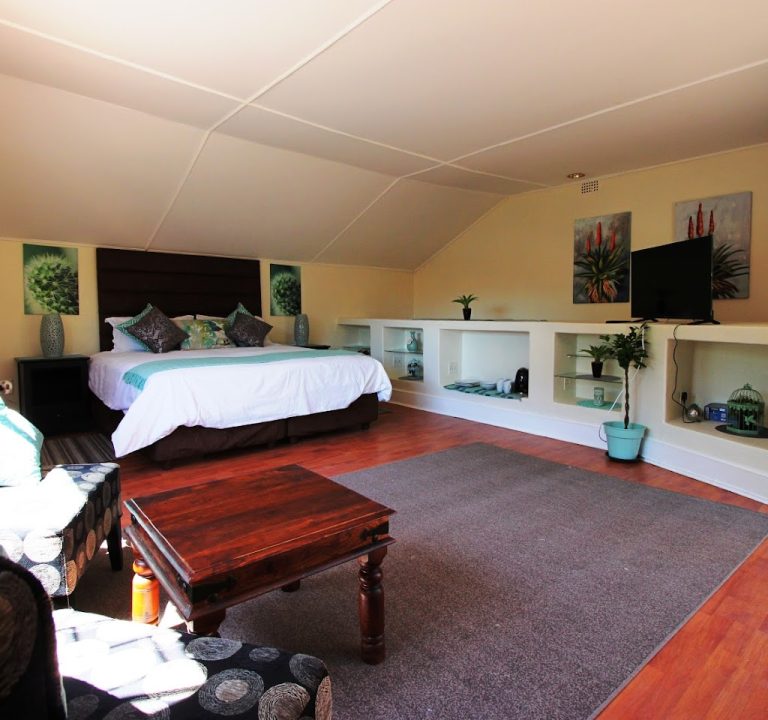
- Soweto and southern suburbs (including Bruma): Wider, more residential feel and opportunities to connect with South Africa’s history and daily city life. Bruma, as a self-catering option, can offer a comfortable base with kitchen facilities and a quieter setting while staying within reach of central sights.
When choosing a place to stay, look for practical amenities that suit your itinerary. For self-catering accommodation, a well-equipped kitchen, laundry facilities, and reliable wi-fi can make a big difference, especially for longer visits. For hotel and guesthouse options, check on-site dining, a 24-hour reception, secure parking, and comfortable common areas. If you’re travelling with family or a group, apartment hotels or guesthouses with multiple bedrooms or living spaces can be particularly convenient.
Transport in Johannesburg is flexible, but planning ahead helps. The city sits on a network of highways and well-used routes, with Gautrain services linking the airport and key business hubs to central areas. If you’re staying near Sandton or Rosebank, you’ll find ride-hailing services a practical option for evening outings. For day trips or exploring beyond the city centre, renting a car offers pace and freedom, while keeping in mind peak-hour traffic and security considerations. Local taxis and ride-hailing apps are common, and many guesthouses will share practical tips on getting around safely.
Best time to visit Johannesburg generally runs from late summer to early autumn (roughly February to April) when the weather is pleasant and the countryside is verdant. Winters are cool, but sunny days can be ideal for city sightseeing. If you’re visiting during the rainy season, pack a light waterproof layer and plan indoor alternatives for heavier showers. Overall, Jo’burg enjoys a lively calendar of events year-round, with markets, exhibitions and live music offering a taste of the city’s creative spirit.
Popular attractions and experiences—without quoting specific prices or awards—toster the city’s energy. In the northern districts, you’ll find museums and art spaces that explore South Africa’s history and contemporary culture, while in central and inner-city areas, guided walks and tours reveal varied architectural styles and urban redevelopment stories. For outdoors and family-friendly options, consider city parks and nearby nature reserves within a short drive. Dining choices range from casual bistros to refined eateries, with many venues emphasising regional flavours, modern African cuisine and global influences. If you plan a day trip, there are routes that connect you to nearby towns and landscapes that are part of Gauteng’s wider offering.
Practical tips to help you plan and enjoy your stay:
- Book accommodation with clear written policies on cleaning, check-in times, and how to access amenities such as kitchens or laundry facilities.
- Check security details of your area and your accommodation, including lighting, gate access, and on-site staff or reception hours.
- Ask hosts or innkeepers about transport options, recommended routes to attractions, and safe neighbourhood guidelines.
- Pack versatile clothing for warm days and cooler evenings, especially if you plan to explore both urban areas and outdoor markets or parks.
- Bring a lightweight adaptor for South Africa’s power sockets and carry a universal charger if you’re moving between venues with different outlets.
For planning inspiration and practical planning notes, consider visiting regional tourism information online or checking guides that cover Johannesburg’s city experiences and nearby Gauteng highlights. A well-chosen base—whether a self-catering cottage like Bruma Guest Cottage or a central guesthouse—can make it easier to balance restful downtime with the city’s dynamic bustle. Look for properties that provide clear directions, helpful welcome notes, and local tips to maximise your stay. With thoughtful booking and flexible sightseeing plans, Johannesburg offers a diverse and welcoming platform for a memorable South African city break.
For more ideas on where to stay and what to do, you can explore official tourism sites and reputable travel guides that offer overviews of neighbourhoods, transport tips and visitor experiences across Johannesburg and the Gauteng region. Visit Johannesburg Tourism for general guidance and inspiration.