Explore Cape Town: Where to stay and what to do
Cape Town, set between the iconic Table Mountain and the Atlantic Ocean, offers a rich tapestry of neighbourhoods, scenery and experiences. When planning a stay, consider an area that matches your rhythm—whether you want easy access to city sights, coastal walks, wine country, or tranquil suburban zones with privacy and greenery. Lodgings range from stylish boutique inns to self-catering lodges and guesthouses, each with its own character and pace of life.
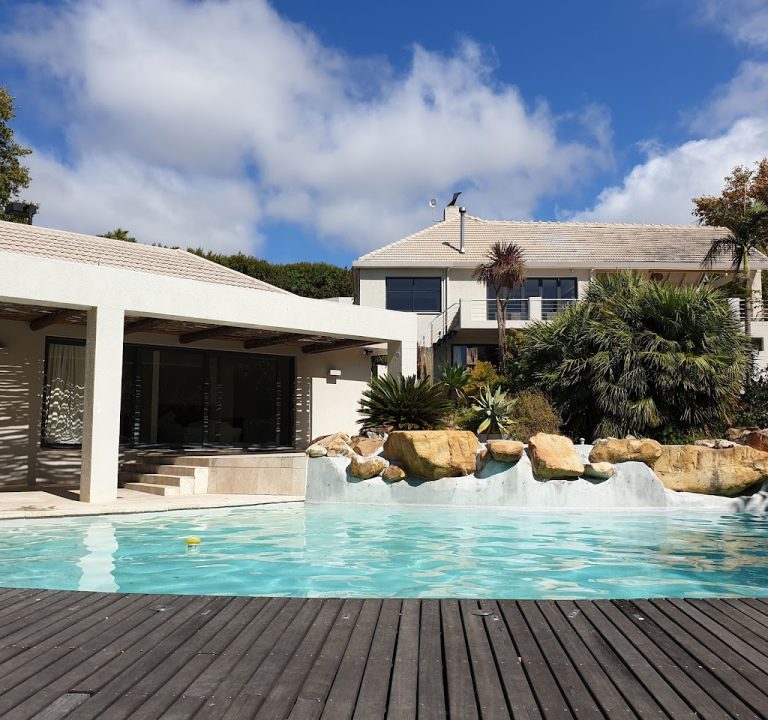
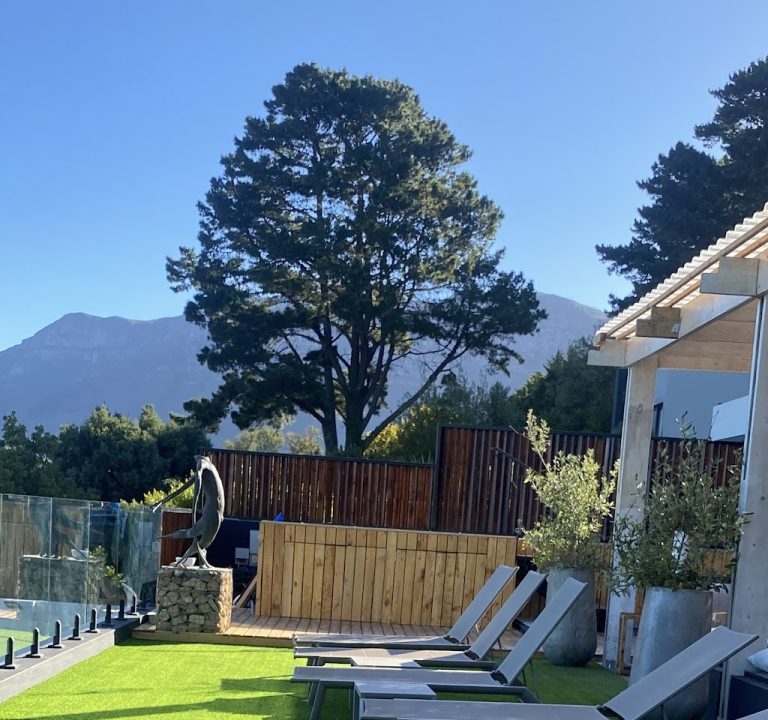
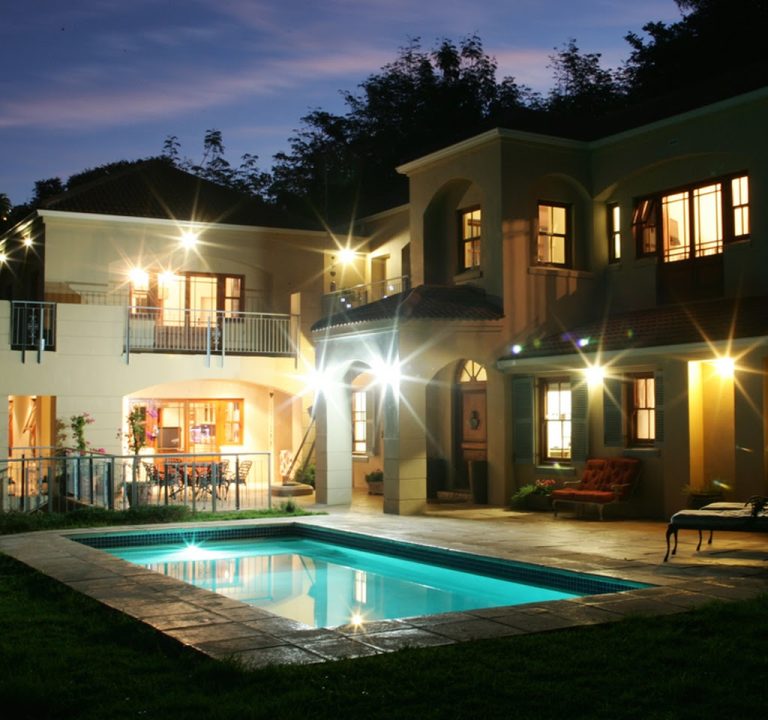
Constantia Oasis is illustrative of the region’s lodging options: a tranquil retreat away from the bustle yet within reach of world-class wine estates and scenic trails. Lodging in Constantia, familiar to many visitors for its leafy streets and quiet elegance, can provide a restful base if you plan day trips to the Constantia Valley, Kirstenbosch Botanical Garden, and the southern Atlantic coast. While in Cape Town, a mix of stays from self-contained suites to intimate inns can be found in surrounding suburbs such as Camps Bay, Clifton, Sea Point, and Green Point, as well as the historic Bo Kaap and the vibrant city centre.
What to look for when booking includes proximity to the activities you want to enjoy, and the transport arrangements that suit your plans. If you intend to explore on foot or rely on public transport, staying near the central business district, V&A Waterfront, or Green Point can be advantageous. If you prefer long beach days or mountain views, a stay near Camps Bay or Table Mountain National Park provides easy access to coastal paths and scenic overlooks. For wine-tasting trips and serene garden settings, the Constantia, Stellenbosch, or Franschhoek corridors offer a different pace and quieter mornings.
Typical amenities you might expect in Cape Town lodgings include en-suite bathrooms, reliable wi‑fi, coffee and tea facilities, and secure parking or easy taxi access. Many guesthouses and lodges offer breakfast or full-board options, while boutique stays often feature stylish lounges, small libraries, or courtyard spaces. For families or longer stays, self-catering apartments or cottages equipped with kitchenettes and living areas can be a convenient and economical choice. Some properties also provide guided walks, chef-prepared meals, or recommendations to tailor experiences to personal interests such as photography, hiking, or culinary exploration.
Transport in Cape Town is diverse. The MyCiTi bus network covers a wide area, but some routes may be less frequent on weekends or outside peak hours. Uber and other ride-hailing services operate widely in the city, and many lodges offer airport transfers or arranged day trips. If you plan to drive, remember that Cape Town’s surrounding roads can be busy during peak tourism periods, and parking near popular attractions may be limited. Organised tours—whether a half-day city overview, a coastal drive to the Atlantic seaboard, or a full wine country itinerary—can simplify logistics and provide local insights.
The best time to visit Cape Town depends on what you want from your trip. Cape Town enjoys a Mediterranean climate, with warm, dry summers and mild, wetter winters. Summer (December to February) brings long days, sea swimming, and the bustling V&A Waterfront. Autumn (March to May) and spring (September to November) offer comfortable temperatures and blooming gardens such as Kirstenbosch. Winter (June to August) can be cooler and windier, but it’s a great time for whale watching on the False Bay coast and for fewer crowds in certain attractions. Regardless of the season, early mornings often reward visitors with clear views of Table Mountain before clouds drift in during the afternoon.
When planning activities, consider a mix of natural beauty, culture and culinary experiences. Iconic vistas can be enjoyed from Table Mountain or the steep slopes of the Signal Hill area, while the historic Bo-Kaap neighbourhood offers vibrant streetscapes and a window into Cape Malay heritage. The V&A Waterfront provides dining with harbour views, artisan crafts, and access to boat trips. For nature lovers, Kirstenbosch National Botanical Garden, the Cape Point Reserve, and the beaches along the Atlantic Seaboard are enduring favourites. Food and drink in Cape Town span seafood on the shore, modern South African cuisine, and markets offering regional produce and crafts; while specific restaurant names may change, the emphasis is on quality ingredients, seasonal menus, and confident hospitality.
Practical tips for a smooth stay:
- Book accommodation with clear information on parking, access to public transport, and cancellation policies.
- Check the property’s proximity to your planned activities and preferred dining areas.
- Bring layers for sudden weather changes, especially if visiting the Table Mountain area or the coast.
- Plan at least one full day for a trip to the Cape Peninsula, including stops at coastal towns and viewpoints.
- Respect local guidelines and weather warnings, particularly around coastal swimming and outdoor activities.
For inspiration and further planning, you can explore official tourism portals and reputable travel guides that outline neighbourhood highlights, seasonal events, and practical travel tips. A well-planned stay in Cape Town blends relaxation with discovery, balancing a comfortable home base like Constantia Oasis with immersive days exploring the city’s natural splendour, diverse neighbourhoods, and vibrant dining scene.