Cape Town: Where to stay, what to see, and how to plan your visit
Cape Town offers a vibrant mix of scenery, culture and cuisine, making it a remarkable destination for a stay that blends city energy with natural beauty. When planning accommodation, consider the diverse neighbourhoods and the pace you want from your days. From hillside guest houses with sweeping views to contemporary boutique hotels by the water, there are options to suit most budgets and preferences.
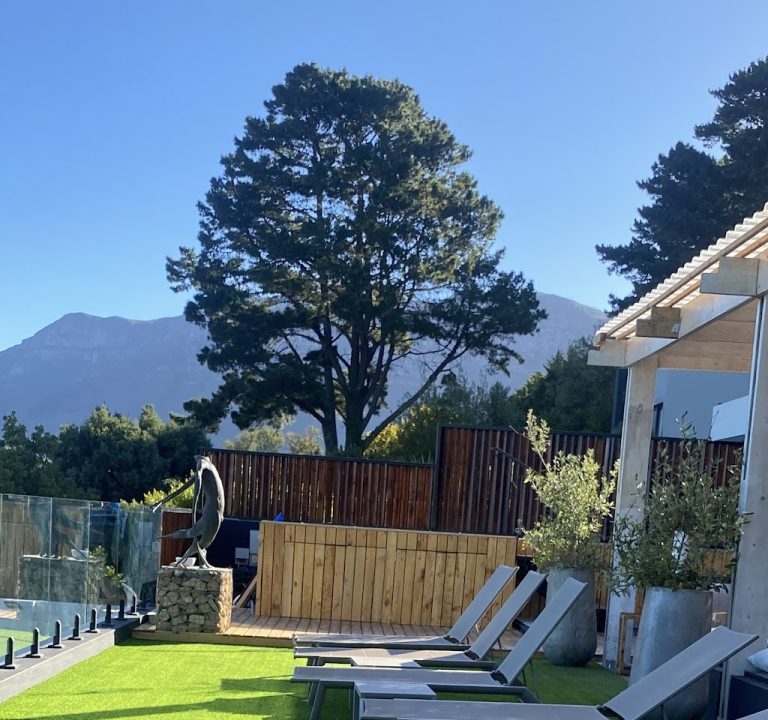
One notable option for a relaxing yet well-situated stay is Constantia Hill Villa, a guest house nestled in the Constantia foothills. It represents a style of lodging that combines personal service with a tranquil setting, perfect for visitors who want easy access to wine routes, mountain trails, and leafy residential streets. If you choose this kind of property, you can expect a more intimate atmosphere and a guest-led approach to daily planning, with tips on local routes and eateries.
Areas to consider when choosing where to stay:
- Table Mountain and the City Bowl: central position for sightseeing, iconic viewpoints, and easy access to museums, theatres and restaurants. Expect walkable streets, compact guest houses or boutique hotels, and strong options for dining and nightlife.
- Atlantic Seaboard and Camps Bay: characteristically polished, with dramatic ocean views, long sandy beaches and stylish dining; ideal for sun, surf, and sunset strolls.
- V&A Waterfront and the inner harbour: a lively hub with easy access to boat trips, markets, and waterfront dining, alongside convenient transport links.
- Kirstenbosch and Constantia: greener mountainside and valley experiences, perfect for walkers, wine lovers and those seeking a quieter base with easy day trips to the winelands.
When booking, look for practical amenities and thoughtful touches. Common features that make a stay more comfortable include secure parking or easy access to public transport, reliable Wi-Fi, a generous breakfast offering, and spaces for relaxing after a day of touring. If you plan self-catering, ensure the kitchen is well equipped and that housekeeping arrangements fit your schedule. For families or longer stays, check for larger rooms, quiet corners for work or studying, and laundry facilities.
Transport and getting around are important parts of the plan. Cape Town’s MyCiTi bus network is a convenient option for many visitors, complemented by rideshare services and a growing selection of guided tour operators. If you’re staying in a hillside or coastal area, a car can be handy for flexibility, though some central properties offer easy access to footpaths and nearby eateries. Ask your host or accommodation provider about parking arrangements and local taxi or shuttle services, especially if you’re planning early morning hikes or late-evening dinners.
The best time to visit Cape Town depends on your priorities. The summer months (roughly November to March) bring warm temperatures, long days on the beaches, and vibrant outdoor markets. Winter can be milder than many destinations, with cooler seas and the possibility of rain, but also fewer crowds and dramatic coastal scenery. Spring and autumn offer shoulder-season balance: moderate weather, plenty of outdoor opportunities, and opportunities to discover gardens, coastal walks, and wine regions without peak-season bustle. Pack layers for changing conditions, sun protection for high-sun days, and a compact bag for day trips to the winelands or Cape Point.
Attractions and experiences in and around Cape Town span natural beauty, history, and cultural encounters. Iconic viewpoints and table-topped panoramas are easy to reach by cable car or scenic hikes. The area also offers remarkable botanic gardens, coastal nature reserves, and wildlife friendly zones where you can observe penguins, seals, or a diverse birdlife in protected settings. For day trips, consider the nearby Cape Winelands for wine tasting and rustic farm lunches, or cruise and boat excursions that showcase the harbour and coastline from a different perspective. Museums, markets, and galleries provide cultural insight, while contemporary restaurants showcase a range of South African and international cuisines. Many accommodations will assist with planning and recommending safe, well-reviewed dining options and day trips near your chosen neighbourhood.
Practical planning tips to help you get the most from your stay:
- Book accommodation with flexible cancellation policies where possible, especially if travel plans may shift.
- Confirm the closest transport options from your lodging to the sights you most want to see, and ask about reliable local operators for tours or hiking guides.
- Consider an itinerary that balances outdoor days with lighter cultural experiences to avoid fatigue from long days of activity.
- Check access to water, power, and heating, particularly if you are visiting in cooler months or higher-altitude areas.
- Respect safety guidance in urban areas and be mindful of personal belongings in crowded places.
Whether you choose a hillside guest house with a garden view, a chic apartment near the waterfront, or a refined boutique hotel in the heart of the city, Cape Town is well equipped to offer a stay that feels both luxurious and authentically South African. With thoughtful planning, you can tailor a combination of restful mornings, scenic afternoons, and memorable dining experiences to match your interests, ensuring you return home with a clear sense of the Cape’s unique character and hospitality.