Exploring Cape Town: Where to stay and what to do
Cape Town offers a wide range of accommodation to suit every traveller, from self-catering hideaways tucked in leafy Constantia to stylish apartments along the Atlantic Seaboard and boutique guesthouses in the City Bowl. When planning a stay in the Western Cape, think about your priorities: a serene view, easy access to beaches, proximity to restaurants and nightlife, or a quick hop to the winelands. Cape Town’s diverse neighbourhoods each bring a distinct flavour, so choosing the right area can shape your entire experience.
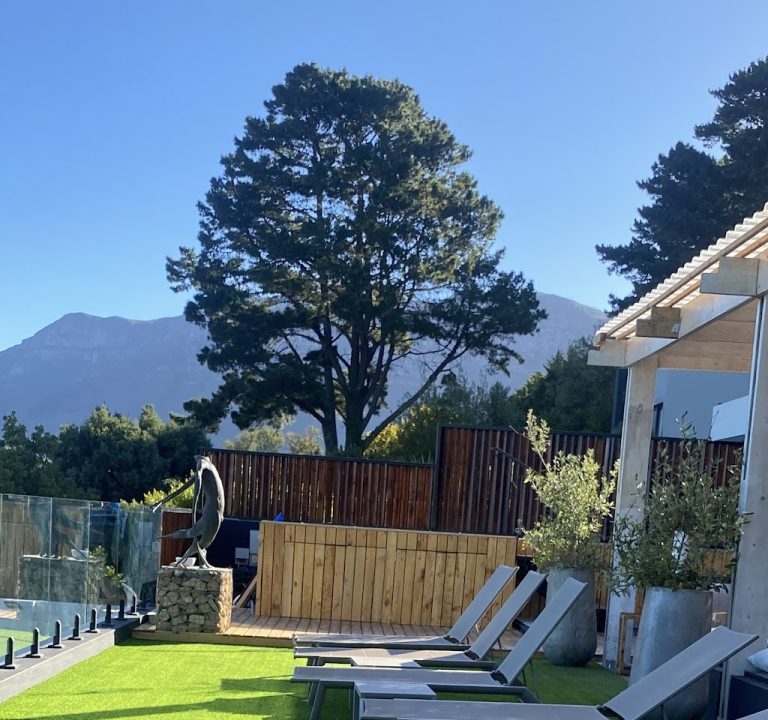
Self-catering options are a convenient choice for families and groups who want flexibility. For example, properties like Dendron of Constantia offer a home-from-home feel with a kitchen or kitchenette, allowing guests to prepare meals and come-and-go at their own pace. When selecting a self-catering stay, consider the size of the living space, well-equipped kitchens, laundry facilities, and secure parking. A good property description should clearly list what is provided, from basic items such as bedding and towels to extras like Wi‑Fi, daily housekeeping, or access to outdoor spaces.
Areas to consider include the V&A Waterfront and the City Centre for easy walking access to museums, cafes, and nightlife, the iconic Atlantic Seaboard for dramatic sea views and beach access, and the Constantia Valley for vineyard scenery and quieter streets. Greenpoint, Tamboerskloof, and the slopes of Table Mountain offer leafy surroundings with convenient transport links to the city centre. If a beach holiday is your aim, Camps Bay and Clifton provide sun and scenery, while secreto cliff paths and coastal trails offer more serene options near Hout Bay and Simon’s Town.
Typical amenities worth looking for include reliable Wi‑Fi, secure parking or easy public transport access, a well-equipped kitchen or kitchenette, air conditioning or heating, and clear information about check-in procedures. For families, note whether the property provides baby equipment or extra beds. For solo travellers, a comfortable workspace or a private balcony may be important. Safety is a consideration across all neighbourhoods; look for properties with secure, well-lit entrances and property managers who respond quickly to enquiries.
Transport in Cape Town is relatively straightforward but can be variable depending on the area. The MyCiTi bus network serves many parts of the city centre and northern suburbs, while Uber and other ride-hailing services operate widely. If you plan to explore the Cape Peninsula or the Winelands, a car can be convenient, though many visitors choose day tours or private guides for the wine route and Table Mountain excursions. Proximity to main roads, parking availability, and whether a property is near a taxi stand or bus stop can influence your daily plans.
When to visit matters for both climate and crowds. The city experiences a Mediterranean climate: warm, dry summers and cool, wet winters. Peak tourist months are generally from November to March, when beach weather and outdoor activities are most appealing. Spring (September to November) and autumn (March to May) offer pleasant temperatures, often with fewer crowds and lush scenery from seasonal rains. If you’re planning outdoor adventures—like hiking on Table Mountain, plotting a coastal trail, or visiting Cape Point—consider shoulder seasons for milder weather and smoother access to popular spots.
Accommodation in Cape Town should align with your planned activities. If wine harvest or vineyard tours are on the agenda, staying near Constantia, Stellenbosch, or Franschhoek can reduce drive times and immerse you in the valley atmosphere. For city exploration, a stay in the City Bowl or near the V&A Waterfront provides convenient access to museums, markets, and dining, with a range of boutique hotels and serviced apartments to choose from. For families or longer stays, a well-equipped self-catering base with a private outdoor area can be ideal for relaxed mornings before day trips.
Food and drink are integral to the Cape Town experience. The restaurant scene ranges from informal bistros to fine dining, with influences from Cape Malay, seafood, African, and contemporary international cuisines. In many neighbourhoods you’ll find casual cafès, farm-to-table eateries, and markets offering fresh produce. Seek out places with a focus on seasonal ingredients, wine pairings, and relaxed atmospheres. Nearby winelands offer tastings, cellar tours, and picturesque settings, while bigger city venues provide ocean views and vibrant evening entertainment.
Practical tips to make the most of your stay:
- Book early for popular districts and seek properties with clear, honest listings about accessibility and amenities.
- Check parking options and nearby public transport routes to avoid last-minute stress.
- Read guest reviews for insights on heating, hot water reliability, and management responsiveness.
- Pack layers for varying weather, especially if you’ll be near the coast or on Table Mountain’s higher elevations.
- Plan a mix of urban exploring, family-friendly activities, and relaxed days at the coast or in the winelands to balance pace.
Among the top experiences in and around Cape Town are iconic viewpoints, scenic coastal drives, and the winelands’ serenity. You’ll find a rich selection of experiences and activities to suit different interests, from nature walks and wildlife encounters to cultural tours and market-style weekends. To support your planning, many accommodations offer local recommendations or can arrange guided trips, day tours, and trusted transport options. For more information and a sample example of a self-catering base in Constantia, you can visit the property’s website at Dendron of Constantia, which illustrates how a well-equipped, relaxed home base can complement a Cape Town itinerary.