Johannesburg: where to stay, what to explore and how to plan your visit
Johannesburg, or Jo’burg as many locals say, is a city of contrasts, from leafy inner suburbs to lively urban precincts. When planning a stay, consider a mix of central access, safety-conscious accommodation and areas that place you close to the city’s culture, history and dining scenes. A stay centred around key neighbourhoods can minimise transit time while letting you soak up the energy that makes Johannesburg unique.
Security and access are important in choosing a place to stay. Look for well-lit common areas, reliable on-site parking if you are driving, secure entrances, and a reputable host or management team. Many B&Bs, guesthouses and hotels in Johannesburg offer generous breakfast options, wifi, and self-catering facilities in transferable packages. Typical amenities you might encounter include daily housekeeping, tea and coffee stations, private ensuite bathrooms, and convenient proximity to public transport or taxi services. A stay with flexible check-in, clear policies, and helpful local tips can make a big difference to your experience.
Popular areas to consider include the following. Sandton and Rosebank provide convenient access to business districts, shopping centres and robust transport links. Parktown and Houghton offer quieter residential settings with leafy streets and easy routes to historical sites. Maboneng Precinct and Braamfontein are embraced for their art, design, cafés and nightlife, while Newtown and the city’s central corridor place you near museums, theatres and vibrant street life. In Soweto, guesthouses and smaller boutique stays can offer an immersive experience with guided neighbourhood tours and insights into the city’s past and present. For those seeking a balance of culture and comfort, a centrally located venue with easy access to a Gautrain station or major bus routes can save time and reduce commute stress.
When planning a stay, think about transport. The Gautrain is a fast, easy way to move between Johannesburg and Pretoria, with connections to the airport region at approximately safe, predictable intervals. Within the city, Uber, Bolt and local taxi services are common, and some guesthouses offer shuttle services or arranged tours. If you prefer self-drive, choose a property with secure parking and easy access to main roads. Walking is pleasant in certain districts during daylight hours, but it’s wise to check safety tips for evenings and busy nightlife areas.
Typical amenities you might expect include breakfast options (from continental to fully prepared wholesome meals), air conditioning or fans for the warm summers, heating for winter evenings, reliable wifi, and good quality bedding. Some places offer self-catering kitchens or rooms with mini-fridges, which can be convenient for longer visits. For travellers who value culture, look for properties that provide or facilitate recommendations for local markets, galleries, theatre performances and guided tours. Clean, well-maintained spaces with clear safety information, good lighting, and responsive hosts or managers generally indicate a comfortable stay.
Best time to visit Johannesburg is influenced by the climate and events calendar. The dry winter months from May to August are typically cooler and pleasant for outdoor activities, with lower humidity and clearer days. Spring and autumn bring mild temperatures suitable for city walking tours and outdoor markets. Summers (September to April) can be warm with sudden late-afternoon thunderstorms, but this period is also when the city’s gardens and parks are at their lushest. If your visit coincides with major exhibitions, music, or cultural events, book ahead to enjoy the best seats and access.
Top experiences to consider once you’re settled include museums and historical sites that tell South Africa’s story, such as dedicated heritage spaces and expansive exhibitions. The city also offers vibrant street art, markets, and a range of dining from traditional flavours to modern fusion. In terms of dining, Johannesburg’s dining scene reflects its diversity: you can explore cosmopolitan eateries, informal cafés with artisan coffees, and eateries offering a mix of classic South African dishes and international cuisines. While specific venues vary, most areas with a good mix of accommodation will be near casual cafés, family-run restaurants and more formal establishments, allowing you to tailor meals to your schedule and budget.
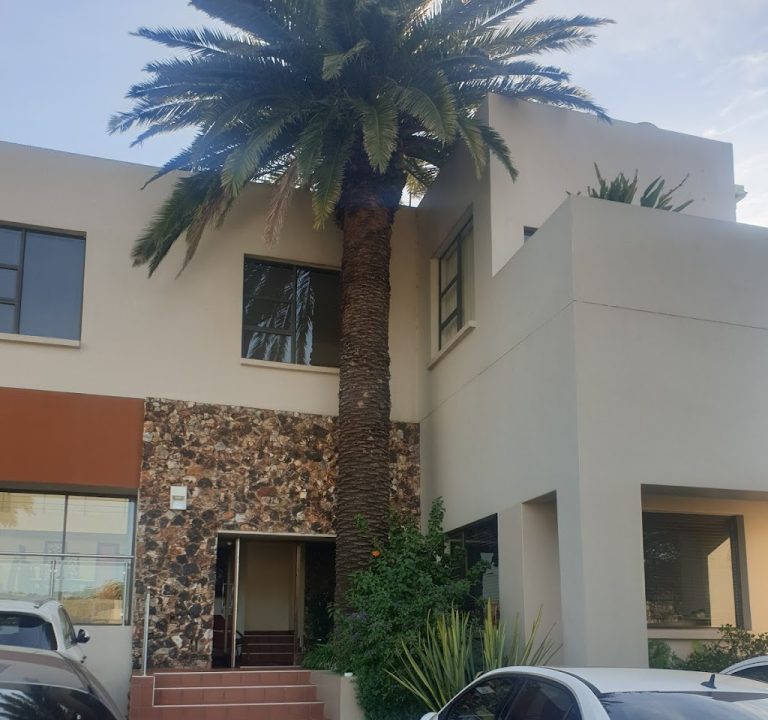
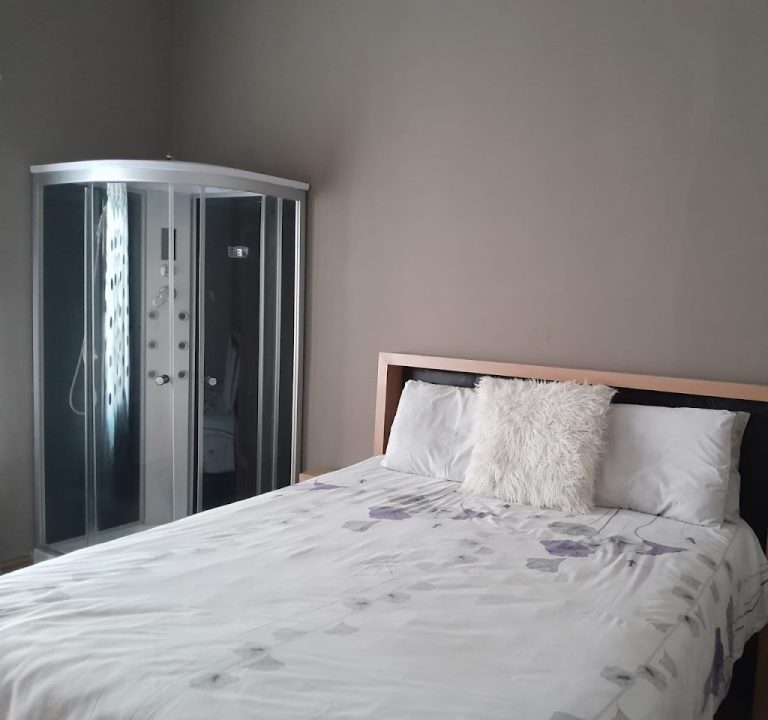
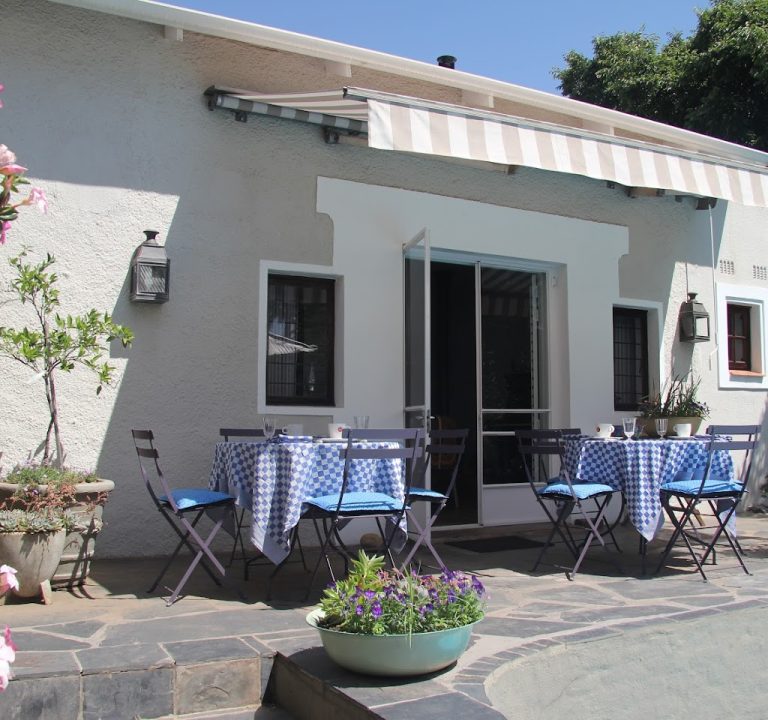
As a practical example of where to stay, consider Clouds End B&B, a boutique guesthouse-style accommodation that highlights a comfortable, personalised stay in a convenient part of the city. It features a welcoming atmosphere and well-appointed rooms, with clear information available about local sights and transport connections. For further details, you can visit the property’s official site at Clouds End B&B.
To help you plan your days, a simple checklist can be useful:
- Confirm security measures, parking arrangements and access to a friendly host or manager.
- Check proximity to a Gautrain station or main transport routes for easy day trips.
- Look for breakfast options and flexible meal plans to suit early starts or late nights.
- Review nearby attractions and dining options to minimise lengthy commutes.
In summary, Johannesburg rewards thoughtful planning. By selecting a well-situated base, prioritising security and comfort, and balancing culture, dining and downtime, you can craft a stay that feels both easy and enriching. Whether you spend your days exploring museums and neighbourhoods or simply enjoying a leisurely meal and a stroll through a vibrant precinct, the city offers a dynamic backdrop for a range of travel styles.