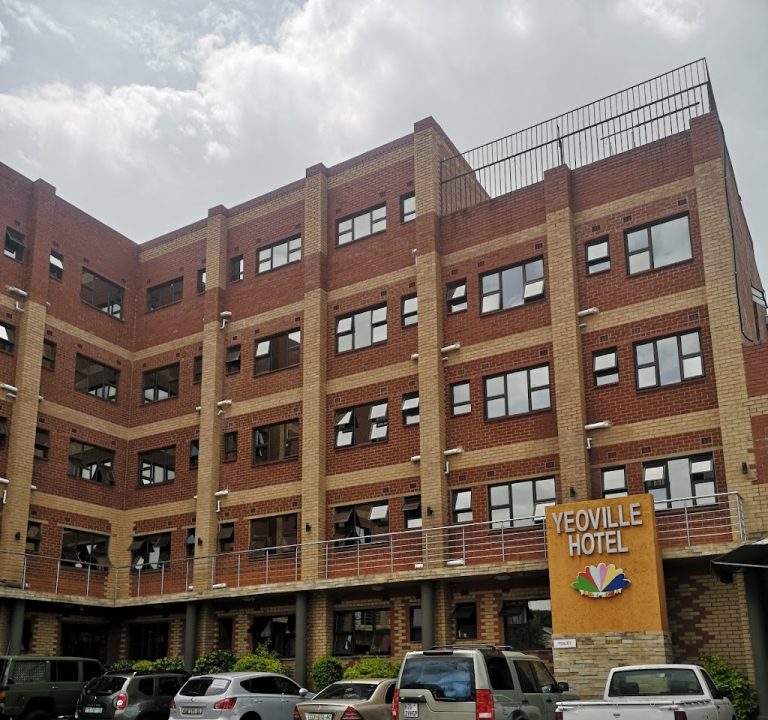
Johannesburg: Accommodation, Attractions and Practical Planning for your Stay
Johannesburg, or Jo’burg as many locals call it, offers a vibrant mix of urban culture, modern comforts and neighbourhood charm. When choosing where to stay, think about what you want to get from your visit. Centralised, well‑connected districts make day trips and evening meals convenient, while leafy suburbs and guest houses provide a calmer base with easy access to shopping, cafés and green spaces. From boutique guest houses to contemporary hotels, there are options to suit different budgets and travel styles.
Area by area, you’ll find distinct atmospheres. The central business district and surrounding neighbourhoods are convenient for first‑time visitors who want to be in the thick of things, with a growing scene of arts and dining. The northern suburbs, including areas such as Sandton and Rosebank, are well‑established for business travellers and those seeking polished amenities, larger shopping centres and safer, well‑lit streets at night. Maboneng and Braamfontein offer a hip, walkable experience with street markets, galleries and nightlife. For a more relaxed, residential vibe, consider areas like Parkhurst or suburb guest houses such as Clifton Village, where you can stay in a quieter setting while still being within reach of the city centre and popular attractions.
When you book a stay, look for practical amenities that save time and stress. A reliable Wi‑Fi connection is essential for planning days, maps and restaurant reservations. Air conditioning or good heating, depending on the season, is important for comfort in Jo’burg’s climate. A guest house or hotel that offers secure parking can be a real convenience, particularly if you plan to hire a car or join day tours. Onsite dining options, a fitness space, a 24‑hour reception or helpful concierge can make a big difference in how smoothly your trip unfolds, especially if you are balancing business with leisure or travelling with family.
Transportation in Johannesburg is well facilitated by a mix of Uber and other ride‑hailing services, reputable taxi options, and some areas with dependable local minibus routes. If you plan to explore beyond your base, ask hosts or front desk staff about the best routes, safe walking paths, and any area to avoid after dark. In many guest houses and hotels, staff can arrange airport transfers or day tours to popular sites, which can be a practical choice if you want to maximise time and minimise hassle.
Regarding timing, the city’s peak tourist months generally align with the Southern Hemisphere’s summer and shoulder seasons. Spring and autumn offer mild weather for city strolls and outdoor markets, while summer can bring occasional showers but also lively outdoor events. If you are attending a business function or conference, staying in a well‑located area with easy access to venues can cut transit time. For those seeking quieter periods, consider weekdays or shoulder seasons when popular attractions are less crowded and the city feels more relaxed.
When it comes to attractions, Johannesburg presents a broad spectrum of experiences without the need to venture far from your accommodation. Cultural centres and museums offer insights into South Africa’s history and contemporary life. Markets and galleries showcase local crafts, design and food, while parks and scenic viewpoints provide restful breaks from the city buzz. You’ll also encounter a modern dining scene that ranges from casual eateries to stylish bistros, with many venues prioritising seasonal ingredients and vibrant flavours. For a well‑rounded visit, plan a mix of indoor cultural stops, outdoor spaces and a few dining experiences that reflect the city’s cosmopolitan energy.
To plan a balanced itinerary, consider a mix of neighbourhood‑based days. Start with a central stay to acclimate, then dedicate a day to a northern suburb with shopping malls and contemporary dining. A day trip to a historic township or a nature reserve nearby can offer insight into the region’s diverse history and landscapes. If you enjoy markets, look for a morning market in a trendy area followed by a relaxed café lunch. For an easier dining plan, many guest houses and hotels publish a short list of recommended local restaurants that cover various cuisines and price ranges.
A few practical tips to help you book with confidence:
- Read recent guest reviews focusing on cleanliness, safety, and the helpfulness of staff.
- Check the cancellation policy and whether free changes are offered in case plans shift.
- Look for properties with clear directions, easy check‑in processes, and a host who can provide local tips.
- When in doubt, contact the property to confirm parking, transit access, and any accessibility needs.
- Pack a light layer for evenings; Jo’burg can cool down at night even in warmer seasons.
For further planning, you can explore official tourism resources for Johannesburg and Gauteng to get ideas for itineraries, public transport routes, and general travel tips. Practical information from reputable sources can help you tailor your stay, contributing to a comfortable, enjoyable visit without overreaching your budget.
Overall, a well‑chosen base in Johannesburg combines convenient access to sights with a sense of local character. Whether you opt for a boutique guest house in Clifton Village or a modern hotel in a bustling precinct, the city rewards curious travellers with striking urban energy, generous hospitality, and a diverse culinary and cultural landscape worth exploring at a relaxed pace.