Accommodation and experiences in Bela-Bela, Limpopo: where to stay and what to do
Bela-Bela, affectionately known as Warmbaths, sits in the heart of Limpopo between the Waterberg and Magaliesberg ranges. It is well known for its mineral hot springs and easy access to nature, wildlife encounters and relaxed South African hospitality. When planning a stay, consider several areas around town to balance convenience, price and the kind of experience you want. The town centre offers walkable convenience with shops and eateries, while surrounding routes lead to lodges, farms and game reserves that provide greater seclusion and nature immersion. If you are seeking a lodge-style retreat with easy access to outdoor adventures, Bela-Bela can be a rewarding base.
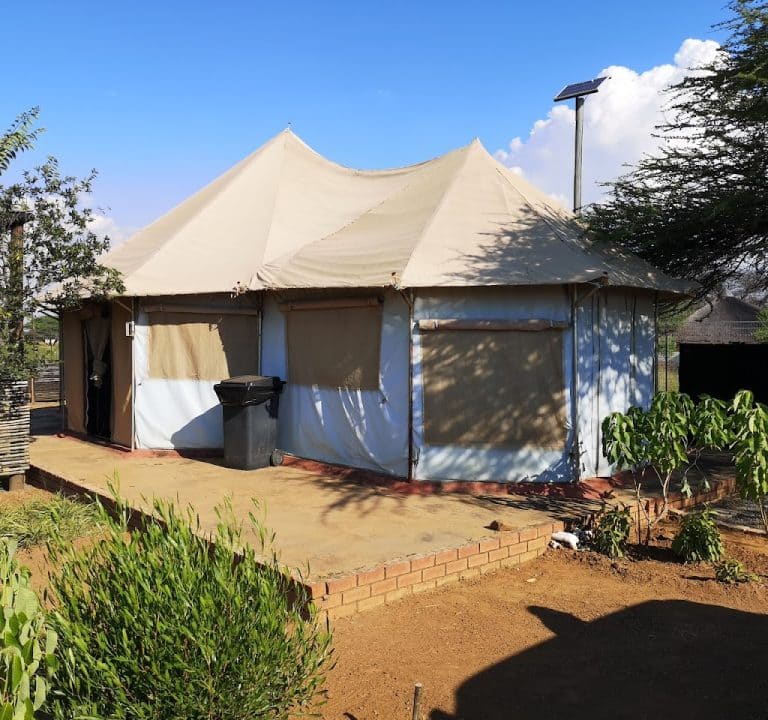
Chakira Lodge is an example of the type of accommodation you might encounter in this region—a lodge setting that can offer comfortable rooms, private outdoor spaces and the kind of service aimed at helping guests unwind after a day outdoors. Whether you choose a full-service lodge with on-site dining or a self-catering option with a shared braai area, you can expect a friendly, relaxed atmosphere that suits families, couples and groups alike.
When comparing options, think about how you plan to spend your days. If your focus is wildlife and nature, a lodge set within or near a reserve can minimise travel time to activities. For a more urban base with easy access to amenities, a guesthouse or boutique hotel near the town centre may suit you better. In all cases, look for a clear description of the property layout, the number of rooms, and the availability of private spaces such as verandas, pools or kitchen facilities.
Typical amenities you might encounter include air‑conditioning or ceiling fans, free Wi‑Fi, on-site parking, and en-suite bathrooms. Some lodges offer self‑catering kitchens or kitchenettes, while others provide full-board dining. Outdoor spaces are particularly valued here, with shaded patios, braai (barbecue) facilities, and sometimes private plunge pools. Check whether the property has backup power or water storage, as utilities can be variable in remote areas. Accessibility is another practical factor: some lodges are flat and easy to navigate, while others may involve steps or uneven terrain.
Transport in and around Bela-Bela is typically easiest with a car. The town is not large, but a vehicle gives you the flexibility to explore game reserves, nature trails and surrounding attractions on your own schedule. If you plan to join organised tours or day trips, confirm how retrieval and drop-off are arranged. For those staying outside the town centre, consider the distance to be closer to nature and quieter at night, but be mindful of the time needed to reach dining options or shops after dusk.
The best time to visit Bela-Bela depends on your priorities. The dry season (usually winter months) brings cooler temperatures, clearer skies and easier road travel, making it ideal for outdoor safaris, game drives and stargazing. The rainy season can lend lush scenery and impressive thunderstorms, though some days may be humid and travel can be slower. If you are chasing a specific activity—such as hot springs visits early in the morning or twilight wildlife watching—plan around sunrise and sunset when temperatures are comfortable and wildlife is most active.
Practical planning tips for a smooth stay:
- Confirm the bedding configuration and whether the property welcomes children, as some lodges specialise in couples-only escapes while others are family friendly.
- Ask about water and power reliability, especially if you are staying in more remote lodges. Some properties provide generators or backup amenities.
- Check meal arrangements: some places include breakfast, others offer dinner on request or only offer self-catering facilities.
- Ask about child-friendly facilities if travelling with kids, such as safe play areas or shallow pools.
- Inquire about local transport options or the availability of guided activities to help plan your days without relying solely on self‑driving.
Attractions and activities in and around Bela-Bela are varied and suited to different interests. Natural reserves and wildlife experiences are a major draw, with opportunities for guided walks, birdwatching and nature safaris. The area is also known for its mineral hot springs, which many visitors incorporate into a relaxing spa‑style itinerary. For those who enjoy a slower pace, local markets, craft shops and scenic drives offer the chance to observe local life and pick up handmade goods. While here, you may wish to combine a stay with a visit to a nearby reserve or nature reserve, a spa day, and an easy day of exploring the surrounding countryside and small towns.
Restaurants in Bela-Bela typically provide a mix of casual eateries and more formal dining options. Expect hearty, South African favourites, with options for meat dishes, regional cuisine, and plenty of family-friendly choices. Many lodges and guesthouses also offer on-site dining or private catering, which can be a convenient option after a day spent outdoors. If you prefer evenings out, aim to book ahead at popular spots, especially during peak holiday periods, and explore a few local recommendations to sample regional flavours without relying on one single venue.
In planning a stay, it is useful to map your base in relation to your activities. A lodge near the northern or western outskirts may place you closer to nature reserves, while a more central location provides easy access to shops, clinics and everyday services. Regardless of where you stay, Bela-Bela’s relaxed pace and abundance of outdoor experiences make it a compelling stopover or a dedicated break in Limpopo. For more information on properties and travel ideas, you can explore local tourism resources and the official pages of specific lodges and guesthouses that align with your travel style.