Accommodation and Travel Tips for Bela-Bela, Limpopo: Where to Stay and What to Do
Brightly known for its mineral hot springs and close proximity to the water and bush of the Limpopo Province, Bela-Bela (formerly Warm Baths) makes for a relaxed gateway into the Highveld. The town offers a range of accommodation styles to suit solo travellers, couples, families and groups, from intimate guesthouses to full-service lodges and conferencing venues. When planning a stay, consider how your priorities—quiet retreats, easy access to springs, or family-friendly activity—align with where you base yourself in Bela-Bela.
Areas to consider include the central town precinct, where most guesthouses, lodges and self-catering units cluster near the hot springs and service facilities. If you prefer a more serene environment, look a short drive outside the centre into leafy suburbs or countryside enclosures where you can enjoy privacy, gardens and wildlife-friendly spaces. Proximity to the main attractions is a practical factor if you want short, easy excursions during the day, while a more tucked-away setting can offer greater tranquillity for evenings in.
Typical amenities across Bela-Bela lodging reflect a traveller’s needs: comfortable rooms or suites, air conditioning or ceiling fans for the warm climate, private entrances or verandas, secure onsite parking, and daily housekeeping. Families will value self-catering or kitchenette options, play areas, and sometimes communal outdoor spaces. For business or relaxed meetings, some lodges and guesthouses provide conference facilities, Wi‑Fi, and convenient workspaces. If you’re travelling with a pet or require accessibility features, check policies ahead of time as offerings vary by property.
Transport arrangements are straightforward for most visitors. Bela-Bela is approachable by road from Johannesburg and Pretoria, typically via the N1 and regional routes. If you’re self-driving, confirm parking arrangements and access to your accommodation after hours. For those preferring not to drive, easy access to local taxis and organised tours helps you reach the hot springs and nearby nature reserves without stress. If you’re planning day trips to nearby reserves or scenic viewpoints, outline your route and driving times to maximise your time on the ground.
The best time to visit Bela-Bela depends on your plans. The area enjoys a warm climate most of the year, with cooler, dry months ideal for wildlife viewing and outdoor activities. The hot springs can be enjoyed year-round, though some visitors favour the drier winter period for comfortable outdoor exploration. If you enjoy longer days and brighter light for photography or hiking, aim for the late spring to early autumn window. Pack layers for changes in temperature between day and night, and consider mosquito repellent for evenings outdoors.
When booking, look for practical details that enhance your stay. Confirm room configurations (for example, whether there are interleading doors for families), bedding quality, and noise levels in the vicinity of your room. Check whether heating or cooling is available, how reliable it is, and if there are ceiling fans in hot seasons. Inquire about on-site dining options or kitchen facilities if you prefer to prepare meals. Ensure there is secure parking, good lighting, and clear information about check-in times and policies on amendments or cancellations. If you have specific needs—such as accessibility features, baby equipment, or dietary requirements—contact the property before arrival to confirm arrangements.
Among the attractions you might include in a Bela-Bela itinerary, the standout feature is the mineral hot springs themselves, which draw visitors for relaxation and wellness. Beyond the springs, you’ll find opportunities for nature walks, birdwatching, and gentle wildlife viewing in nearby reserves or countryside landscapes. Family-friendly options often include playgrounds, open spaces, and guided activities that suit younger travellers. When planning meals out, expect a mix of South African favourites and contemporary eateries in town, with numerous options offering casual dining and braai-friendly experiences. For those seeking a more structured experience, some lodges provide guided bush walks or day trips to surrounding natural areas, which can be a convenient way to sample the local environment without driving between locations.
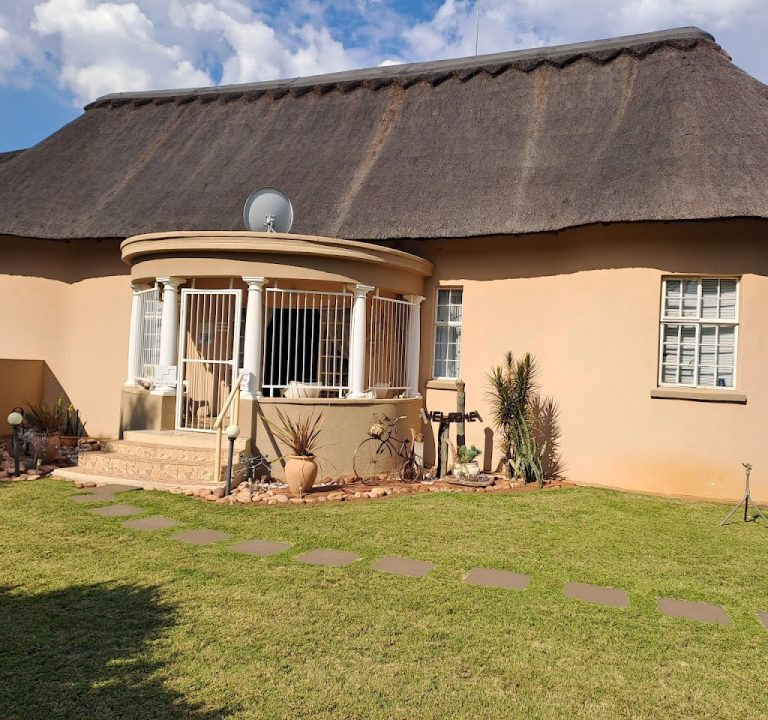
One example of a lodge that embodies the Bela-Bela experience is Chateau Country Lodge and Conferencing, a property that blends comfortable accommodation with meeting facilities amid a setting designed for rest and convenience. If you’re exploring options for groups or longer stays, visiting their website can give you an idea of the range of rooms, conference spaces, and ancillary services available. Always review recent guest feedback and online listings to gauge current standards, especially for seasonal changes in service levels.
Practical planning tips to help you make the most of your Bela-Bela stay:
- Book ahead during peak seasons to secure preferred rooms and quiet areas.
- Ask about private or semi-private outdoor spaces for evenings outdoors.
- Check for on-site dining or nearby eateries to minimise travel after late activities.
- Confirm policies on children, pets, and accessibility features if relevant to your party.
- Plan a flexible schedule that allows time for relaxation at the springs as well as light excursions to nearby natural areas.
In summary, Bela-Bela offers a diverse array of accommodation choices anchored by a relaxing springs experience and easy access to Limpopo’s bushveld. With thoughtful planning—considering location, amenities, transport, and seasonal factors—you can craft a stay that balances rejuvenation with light adventures, making the most of this inviting part of South Africa. For those seeking a convenient, well-equipped base from which to explore the region, Bela-Bela’s lodges and guesthouses provide a comfortable home away from home, paired with the natural beauty and warmth of Limpopo.