Chacma Bush Camp is a Lodge establishment in Phalaborwa, Limpopo, South Africa
Chacma Bush Camp: An intimate Kruger‑boundary safari stay in Maseke Balule
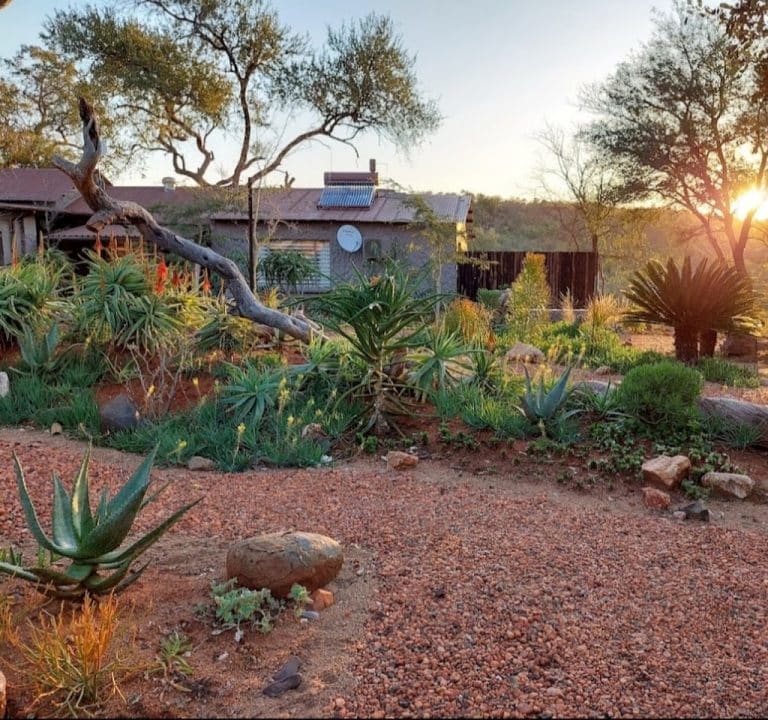
Hidden in the largely undiscovered reaches of the Maseke Balule Game Reserve, Chacma Bush Camp offers a quintessential big‑five safari experience in a private 8000‑hectare landscape. The camp sits within the Balule Private Nature Reserve’s management area, adjacent to the Olifants River, where rocky outcrops and mica caves punctuate the scenery. With a reputation for intimate, family‑friendly hospitality, Chacma Bush Camp focuses on personalised encounters with wildlife and the bush in a setting that feels rugged yet welcoming.
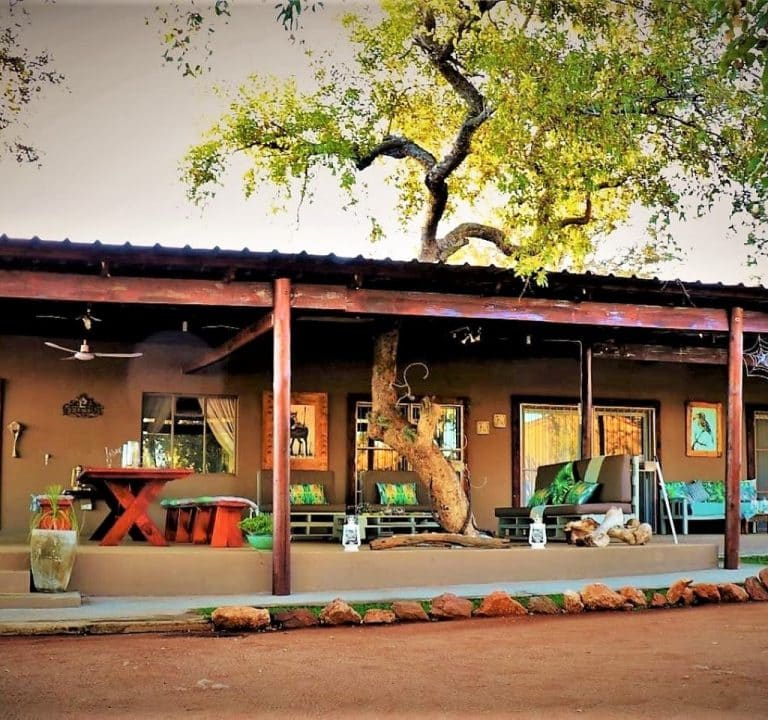
Accommodation at Chacma Bush Camp centres on three thatched, natural stone chalets built to blend with the environment. The design and finishings emphasise a sense of warmth and simplicity, while delivering contemporary comforts. Each chalet is en‑suite and air‑conditioned, and all feature a private patio with views across the camp’s surrounds, including the famous waterhole that lies just metres from the main area. The Klipspringer chalet is the largest option, designed to sleep a family and, uniquely, offers an outdoor shower. The Grysbok chalet features two separate bedrooms with a large indoor shower, while the Steenbok chalet provides a cosy setup suitable for a family group, with direct views of the waterhole. Bed configurations, mosquito nets, and tea‑coffee facilities appear throughout, ensuring a comfortable stay after exciting days on safari.
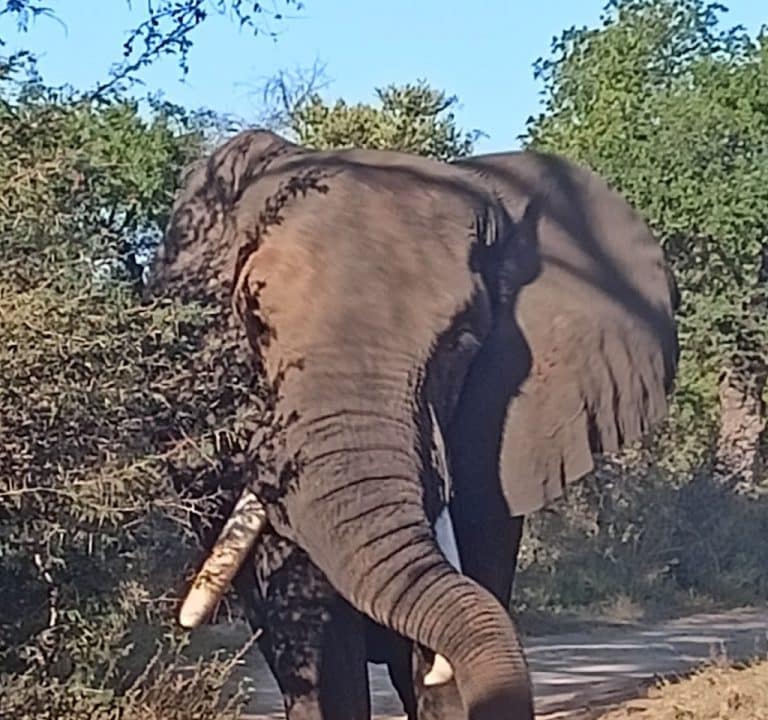
The rhythm of the day at Chacma Bush Camp is shaped by twice‑daily guided game drives across the reserve, with the Olifants River and the surrounding Mopane woodlands providing abundant wildlife viewing opportunities. Guests can expect encounters with elephants at the waterhole in front of camp, along with a mix of savannah and woodland species typical of this corner of the Kruger ecosystem. The small, private nature of the camp means quieter, more intimate wildlife experiences, with the advantage of a dedicated team ready to tailor itineraries and special occasions to guests’ tastes.
Facilities at the camp support a relaxed, social atmosphere. A pool overlooks the waterhole, surrounded by sun loungers for daytime lounging. The main area houses a boma and a dining space where guests can share meals, as well as a separate outdoor boma area for campfires and starlit conversations. A lapa and the pool deck form the social hub of the property, while a small element of connectivity—3G reception and Wi‑Fi—helps guests stay in touch when needed without detracting from the bush experience.
Chacma Bush Camp is positioned in a private reserve that shares borders with Kruger National Park, offering a continuation of the wild landscape into a less crowded setting. The reserve is renowned for its sparser tourist footprint, which translates into increased wildlife sightings and a more personal safari experience. The terrain is characterised by ridges and boulder koppies, with the Olifants River providing a lifeblood for the environment and wildlife alike. The setting is well suited to multigenerational travel, with chalets placed within easy reach of the main communal areas, allowing families to spend time together while still enjoying privacy and individual space.
For guests seeking practical planning details, the camp provides a suite of information resources, including rates, directions, and sheets about wildlife and travel tips via downloadable documents. Access to Chacma Bush Camp is convenient for both fly‑in travellers and self‑drivers, with gate‑to‑camp escort for those driving, and a choice of airports for those flying in (Hoedspruit and Phalaborwa). Scheduled transfers from Johannesburg’s OR Tambo can be arranged to suit itineraries. The overarching ethos of the operation, operated under the umbrella of Sun Destinations, emphasises authentic, owner‑led experiences with a focus on wildlife encounters and the beauty of Africa’s hidden secrets.
Suitable for those after a genuine, intimate Kruger safari, Chacma Bush Camp appeals to families, couples, and small groups who value comfort wrapped in wild scenery. The three chalets accommodate a total of ten guests, ensuring a personalised feel where guides and camp staff can focus on individual preferences and dietary needs. The on‑site activities—game drives, bush walks (subject to guide availability), bush breakfasts on request, and a traditional braai—offer a balanced programme that blends wildlife exploration with Africa’s timeless dining traditions.
Nearby highlights lie in the broader Kruger region’s ecosystems, with wildlife that often includes predators and herbivores sharing the landscape with birds and occasional smaller mammals. The waterhole in front of camp remains a focal point for elephant sightings during dry periods, while the surrounding koppies and riverine habitats invite exploration by vehicle or on foot, under the supervision of experienced guides. For those curious about the seasonal rhythm of the bush, the camp’s “Safari Experience” page outlines a reliable schedule of morning and afternoon drives, sundowners, and scenic stops, ensuring visitors can plan a balanced wildlife itinerary around comfort and conservation values.
Booking tips include considering exclusive use of the camp for families or groups who wish a private safari experience, noting that the main chalets are positioned for easy access to communal areas while retaining privacy. Guests are encouraged to review the downloadable rates and terms to understand what is included in full‑board versus fully inclusive packages, and to be aware of conservation levies and bed levies that may apply. Winter and summer differ in climate and wildlife visibility; packing recommendations favour neutral clothing, comfortable footwear, sun protection, and layers for morning and night drives. When planning, visitors may wish to reference the Safari Experience page for timing details and potential special arrangements for occasions, such as birthdays or anniversaries, to make the stay even more memorable.
- What you’ll see: Elephants at the waterhole, big‑five sightings, birds and diverse herbivores across Mopane woodlands.
- What you’ll enjoy: Three meals daily, twice‑daily game drives, is a small, intimate camp atmosphere with family‑friendly layout.
- What you’ll do: Guided drives, bush walks (subject to guide availability), bush breakfasts on request, traditional braai evenings.
Phalaborwa
Limpopo
1390
South Africa


Phalaborwa: Where to stay and what to do in Limpopo’s gateway to the Kruger
Phalaborwa in Limpopo sits near the southern reaches of the Kruger National Park and along the Olifants River, making it a practical base for safari adventures and a convenient stopover for travellers exploring the Greater Kruger. Accommodation here ranges from intimate bush camps to comfortable lodges and family-friendly retreats, each offering a doorway to wildlife, outdoor activities and easy access to local conveniences. When planning a stay, think about the pace you want, proximity to gates or reserves, and the level of service you prefer, as options vary from self-catering to fully inclusive safari uppers.
One compelling option in the broader Phalaborwa area is a private lodge set within a vast, undulating landscape. Such camps prioritise a personalised experience, often featuring a handful of chalets or suites with en-suite facilities, air conditioning or fans, and outdoor areas where wildlife may be visible from the deck. A notable characteristic of smaller, owner-managed camps is their emphasis on guiding quality, intimate dining settings, and the opportunity to tailor activities to family needs or romantic getaways. If you’re seeking a true bush-lodge vibe with direct waterhole views or close encounters with wildlife, look for a property that offers twice-daily game drives, seasoned guides, and comfortable communal spaces for meals and sundowners.
Accessibility and transport play a big part in how you structure your itinerary. Phalaborwa is served by its own airport, and the town is also a reasonable drive to or from the Kruger’s gates. If you’re arriving by air, you may be collecting a vehicle at a regional airport and driving to your lodge. For the more adventurous, private reserves near Phalaborwa offer guided transfers or easy self-drive routes. A few camps arrange gate-to-camp transfers or meet-and-assist at specific pick-up points, which can simplify logistics after a long journey. If you plan to combine a few days of safari with other outdoor activities, consider a central base that makes day trips to different regions feasible without lengthy drives each day.
When selecting a place to stay, there are several practical amenities and features to look for:
- Comfortable, well-ventilated accommodation with air conditioning or ceiling fans for the African heat.
- Clear, well-maintained en-suite bathrooms and adequate storage, particularly if you’re on a longer stay.
- Reliable power supply and mobile coverage, plus Wi‑Fi in public areas if you need it for work or keeping in touch with family.
- Three meals a day or the option to arrange bush dining experiences, often including traditional braais and campfire evenings.
- Access to guided game drives, bush walks (subject to guides and safety), and potential waterhole viewing from the property.
- Family-friendly facilities or multigenerational layouts if you’re travelling with children.
Best time to visit depends on your wildlife-watching goals. The winter months (dry season) often offer clearer animal sightings as water sources shrink and animals concentrate at waterholes, while the summer months bring lush vegetation, birdlife, and the possibility of dramatic thunderstorm skies. Each season has its appeal, so a well-rounded plan might include a couple of game drives during the mornings and late afternoons, with optional night drives where permitted.
Beyond the lodge grounds, Phalaborwa and neighbouring reserves offer a range of experiences. Expect encounters with elephants at waterholes, opportunities to view big five species in quieter private reserves, and the chance to learn about the region’s geology, caves and ancient rock formations. For dining out, you’ll typically find a mix of lodge dining rooms and local restaurants offering classic South African fare, light meals, and planet-friendly options. If you’d rather not self-cater, many lodges provide full board experiences with menus that can accommodate dietary needs. The region’s culinary offerings tend to emphasise fresh ingredients, hearty meats, and flavours that reflect the bush veld setting.
To illustrate a stay in this part of Limpopo, consider a lodge such as Chacma Bush Camp. This small, family-friendly camp sits in the Maseke Balule Reserve, offering three intimate chalets, each with en-suite facilities, air conditioning, and private patios with wildlife views. The camp provides guided game drives, bush walks (arranged in advance), and camp-side dining experiences that celebrate the South African bush. It is well placed for guests who want a focused, relaxed safari experience with ample opportunities to watch elephant activity at a waterhole and enjoy the sounds of the African night. For more information, you can explore the official site: Chacma Bush Camp.
Practical tips for a smooth stay:
- Pack light, neutral-coloured clothing suitable for early mornings and evenings, plus a good hat, sunblock, and a light fleece for cooler nights.
- Bring binoculars, a camera with a zoom lens, and a sturdy pair of walking shoes for any koppie walks or short trails.
- Check park rules and reserve guidelines regarding photography, distances to wildlife, and off-road limits.
- Budget for conservation levies or gate fees that may apply at private reserves or park entrances.
- When booking, confirm meal arrangements, inclusions, and any extra activities such as a sundowner stop or bush breakfast.
Phalaborwa’s combination of convenient access, wildlife-rich landscapes, and varied places to stay makes it a rewarding base for a Limpopo retreat. Whether you’re seeking a secluded bush camp, a family-friendly lodge, or a cosy retreat near the Kruger’s southern reaches, plan with transport options, seasonality, and on-site activities in mind to craft a memorable South African safari experience.
Sorry, no records were found. Please adjust your search criteria and try again.
Sorry, unable to load the Maps API.
Why Claim Your Listing?
Claiming your listing on the B&B Finder directory website is a valuable opportunity for business owners. Here are five reasons why you should consider claiming your listings:
Control Over Business Information: By claiming their listing, business owners can ensure that all the information presented is accurate and up-to-date. This includes details such as contact information, address, pricing, and available services or amenities. Accurate information helps prevent customer confusion and improves overall satisfaction.
Enhance the Listing: Once a listing is claimed, owners can enhance it by adding more comprehensive information and rich media, like high-quality photos and videos. These additions can make the listing more attractive and engaging to potential customers, thereby increasing the likelihood of bookings.
Marketing Opportunities: Claiming a listing can also open up additional marketing opportunities. Owners may be able to participate in promotional campaigns, special offers, and other marketing activities organized by the directory. This can increase visibility and attract more customers to the business.