Phalaborwa, Limpopo: where to stay, what to do, and how to plan a great visit
Phalaborwa sits on the northern edge of the Kruger National Park, where the gateway to Africa’s iconic wildlife experiences blends with a friendly town atmosphere. Whether you’re looking for a restful guesthouse, a family-friendly lodge, or a boutique stay near convenient amenities, Phalaborwa offers options that suit a range of budgets and travel styles. The town’s layout is practical for visitors, with easy access to the main roads that lead to the Kruger gates, local markets, and a handful of eateries that showcase Limpopo flavours.
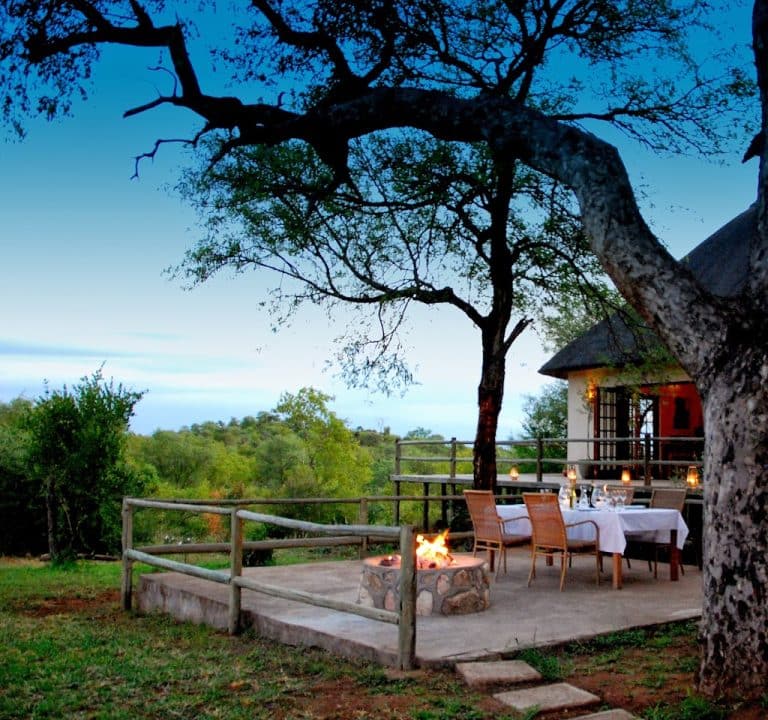
Accommodation in Phalaborwa tends to cluster around a few key areas. The town centre and its surrounding suburbs provide quick access to supermarkets, banks and the approximate hub of visitor information. For those prioritising wildlife-related itineraries, staying closer to the northern outskirts or near Phalaborwa Gate often reduces drive times to the Kruger’s entrances and to day trips for guided safaris. If you’re seeking a more intimate setting, consider guesthouses that specialise in personalised service, such as the style offered by Alexandra House, a guest house with a reputation for comfortable rooms, attentive hosts and a convenient location within reach of major sights and services.
When booking, look for a few practical features. A well-run guesthouse or lodge in Phalaborwa typically offers clean, air‑conditioned rooms, reliable Wi‑Fi, secure parking, and a welcoming common area for socialising or planning day trips. A guest house with a daily breakfast option can save time in busy mornings before early game drives. Swimming pools are a common amenity in the hotter months, offering a refreshing break after a long day of sightseeing. If you’ll be exploring on your own, ask about self‑drive tips, on‑site staff who can arrange guided excursions, and the proximity to fuel stations and supermarkets.
Transport is straightforward but worth planning in advance. Most visitors arrive by road, either self‑driving from Johannesburg or other hubs, or via a domestic flight to a nearby airstrip such as Hoedspruit or other regional centres with onward road connections. Car hire is strongly recommended for maximum flexibility, especially if you intend to visit multiple sights or return to your accommodation after evening activities. Your chosen lodging should be able to advise on safe routes, daytime drive times, and the best checkpoints for wildlife seasons. If you prefer not to drive, many lodges and guest houses offer guided day trips or private transfers to the Kruger Park gates and nearby attractions.
What to do and where to go, in general terms, includes wildlife viewing at nearby reserves and within the Kruger’s northern region, birdwatching along riverine habitats, and easy access to culture and shopping in Phalaborwa town. Expect a range of day trips that combine wildlife viewing with relaxed meals, scenic viewpoints, and opportunities to learn about local conservation efforts. For meals outside your accommodation, you’ll find casual restaurants and eateries that showcase local produce and flavours; many offer friendly service and a relaxed atmosphere suitable for families and travellers alike. While specific venues and menus change over time, the emphasis remains on hearty, straightforward meals that reflect the region’s South African cuisine without being overly formal.
Best time to visit Phalaborwa aligns with the broader Kruger area. The dry winter season (roughly May to September) tends to offer excellent wildlife sightings as animals concentrate around water sources and vegetation is thinner. This period also brings clearer skies and comfortable daytime temperatures, though cooler evenings can occur. The wet summer period brings lush scenery and vibrant birdlife but may involve more variable weather and road conditions. Malaria is a consideration for Marlboro’s northern Limpopo landscapes, so plan accordingly with appropriate advice on preventative measures and personal protection when venturing into certain areas.
Practical planning tips to help you optimise a stay in Phalaborwa:
- Book accommodation with clear directions and confirmed parking if you are driving, and confirm transfer arrangements if you’re relying on a driver or tour operator.
- Choose a base that minimises daily travel time to Kruger gates and core sights, especially if you have limited days.
- Pack light, breathable clothing for day trips, a warm layer for evenings, sun protection, and a reliable camera for wildlife moments.
- Factor in a rest day or two to enjoy your lodging’s amenities, poolside relaxation, and local markets without rushing between activities.
- Respect park rules and wildlife guidelines during excursions, and plan safaris with reputable operators or hotel staff to maximise safety and enjoyment.
- Consult local travel resources or your accommodation for up-to-date advice on road conditions and best times to visit specific sights.
In summary, Phalaborwa offers a mix of comfortable stays, gentle access to world‑famous wildlife experiences, and approachable dining and shopping. Whether you opt for a characterful guest house such as Alexandra House or a more contemporary lodge, you’ll find that smart planning—plus a touch of local flavour—helps you craft a memorable visit to Limpopo’s northern heartland. For more information, explore official tourism resources and the websites of reputable lodges and guest houses in the area to tailor an itinerary that suits your interests and pace.