Your Guide to Accommodation and Getting the Most from Cape Town, Western Cape
Cape Town is a city of striking contrasts, where dramatic mountains meet golden beaches and a lively harbourfront. When planning a stay, it helps to think in terms of areas that suit your interests, whether you’re after easy access to city sights, coastal scenery, or wine country just beyond the horizon. A good base often combines comfortable rooms, a friendly vibe, and convenient transport links so you can explore without long transfers after a day of sightseeing.
Central districts such as the Central Business District (CBD) and the V&A Waterfront offer convenient access to museums, markets, eateries, and a lively nightlife. For a more relaxed, family-friendly vibe with modern conveniences, neighbourhoods around Century City or the Atlantic Seaboard provide stylish hotels and serviced apartments with easy parking or shuttle options. If you’re drawn to dramatic scenery and fine dining, Constantia’s leafy estates and the southern shore’s pristine beaches present a different pace. Budget or boutique travellers may prefer guesthouses and smaller hotels in strategic hubs like Green Point, De Waterkant, or the winding streets near Long Street, where you can wake to convenient cafés and easy walking routes to major sights.
When booking, look for a few practical features that can make a big difference. Location is key, but check access to public transport or parking arrangements. Some hotels offer direct access to MyCiTi bus routes or seasonal shuttles to popular viewpoints. Wi‑Fi stability matters if you’re planning to work remotely or stay connected while you travel. On-site facilities such as a comfortable lounge, a pool, a breakfast option, and accessible public spaces can save time and add value to your stay. If you’re exploring with a family or a group, a serviced apartment or a suite with a kitchenette can be a practical choice, helping you balance convenience with budget.
Typical amenities at well‑appointed hotels and guesthouses in Cape Town often include free Wi‑Fi, en‑suite bathrooms, daily housekeeping, and secure on‑site parking. For guests seeking a touch of luxury, look for properties with a rooftop terrace, a pool area with city views, or a spa. Family‑friendly rooms with extra beds or sofa‑beds, and options for cribs or play spaces, can make a stay smoother. In the budget or mid‑range end, you’ll find comfortable rooms with good transit links, clean common areas, and helpful reception staff who can offer local tips on dining, hiking routes, and day trips.
Best time to visit Cape Town depends on what you want to do. The summer months (roughly December to February) bring long days, calmer seas for beaches, and outdoor activities. Spring (September to November) and autumn (March to May) offer mild weather and fewer crowds, with excellent chances for superb coastal scenery and wine country visits. If you’re keen on outdoor adventures like hiking or coastal drives, consider shoulder seasons to avoid peak crowds while still enjoying pleasant conditions. It’s worth noting that winds can pick up in the Langebaan area and the Atlantic Seaboard during certain months, so plan activities accordingly.
Getting around is part of the Cape Town experience. A combination of reliable public transport, ride-hailing apps, and walking often works best. The MyCiTi bus network covers major routes, while Uber and other services provide flexible options for evening outings or airport transfers. If you rent a car, be mindful of parking rules in busy areas and the tendency for narrow streets in historic districts. Some hotels offer valet or marked parking spaces, which can simplify movement during peak times. For sightseeing, many attractions are clustered around the V&A Waterfront, Table Mountain Cableway, and the city bowl, making a central stay advantageous for day trips and easy evenings out.
Dining experiences in Cape Town run the gamut from casual bistros to fine-dining establishments with views of the harbour or the surrounding hills. Rather than focusing on specific venues, you can expect a thriving scene built around fresh seafood, regional produce, and internationally influenced menus. Most areas offer a mix of wine‑bar options, coffee shops, and informal eateries, so you’ll have choices whether you want a quick bite before a sunset stroll or a leisurely dinner after a day of exploring.
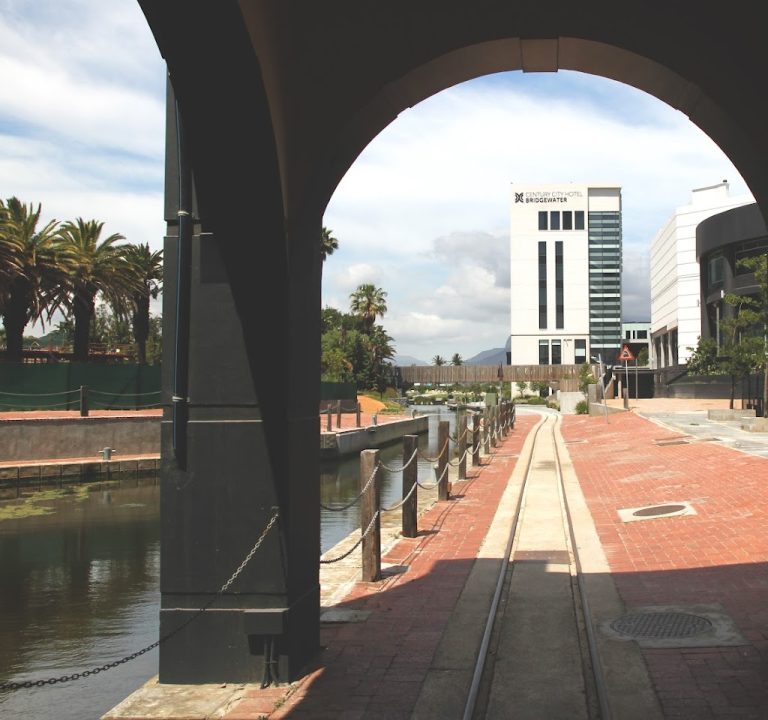
One notable example of a convenient stay with modern conveniences is the Century City area, which hosts a range of hotels and serviced residences designed for travellers who value comfortable rooms and straightforward access to shopping, dining, and transport links. The Century City Hotel Urban Square, for instance, provides an approachable staging point for exploring Cape Town and the surrounding wine routes, with a website offering further information about facilities and services. Visit the property page at Century City Hotel Urban Square for more details on what they offer.
Practical tips to finish your planning: check cancellation policies and whether breakfast is included, as these can affect daily budgeting. Pack layers for rapid weather changes, sun protection for outdoor activities, and comfortable walking shoes for urban exploring. If you’re visiting nature reserves or coastal viewpoints, bring water and a light snack, plus a camera or smartphone to capture the sweeping views. Lastly, try to balance the itinerary with both must-see landmarks and time to wander the local streets, where you’ll often discover charming cafés, artisan shops, and unexpected viewpoints that make a stay in Cape Town truly memorable.
- Pack versatile clothing for changing coastal and mountain weather
- Consider booking a hotel with easy access to public transport or parking
- Plan a mix of city sights, outdoor activities, and wine country day trips