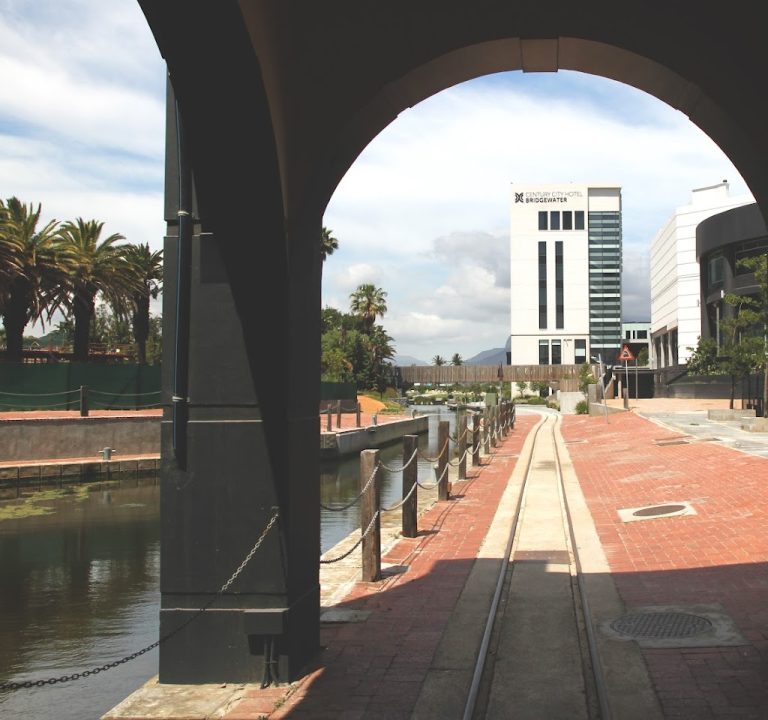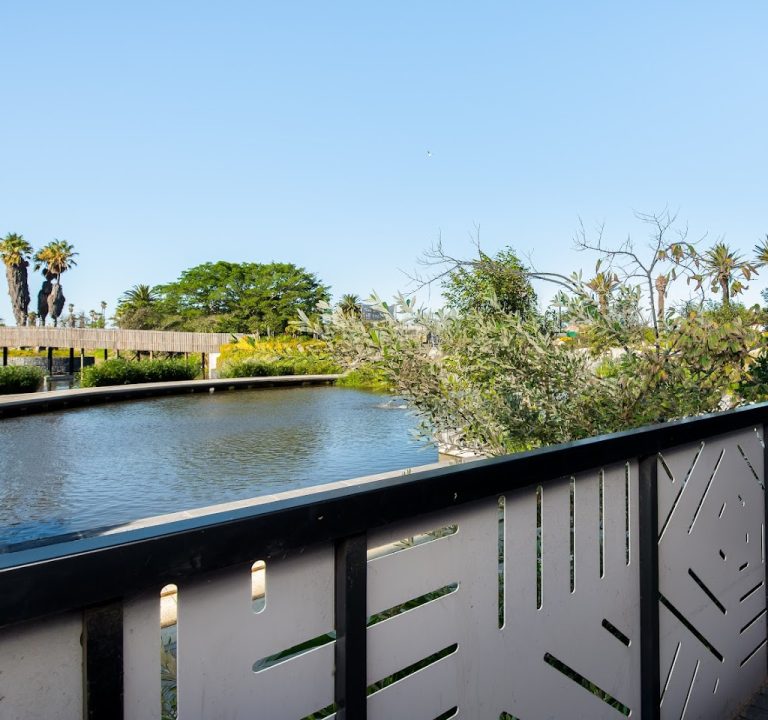
Bridgewater One Apartment 105 is a Self-catering accommodation establishment in Cape Town, Western Cape, South Africa
About Bridgewater One Apartment 105, Cape Town
Bridgewater One Apartment 105 presents a stylish, contemporary studio retreat set along Cape Town’s waterside precinct. Described as a “Trendy Studio Apartment” with a waterside vibe, the space is designed for guests seeking a compact, self-contained urban base from which to explore the city’s maritime surrounds and coastal scenery.
From an outside observer’s view, the accommodation embodies a modern, open-plan lay‑out that blends comfort with convenience. The studio format emphasises practical living, making it an attractive option for couples, solo travellers, or anyone preferring an uncluttered space with easy layouts. The overall impression is one of clean lines, a light-filled environment, and functional zones that accommodate both relaxed downtime and light, self‑catering meals.
In keeping with a contemporary city‑centre aesthetic, the retreat is equipped to support everyday living without extraneous formality. Guests can expect a self‑contained setup that provides essential comforts for a stay in Cape Town, with a focus on practical, thoughtfully arranged spaces designed to maximise the available square footage in a compact footprint.
As a waterside address, the apartment benefits from a neighbourhood ambiance that blends city access with easy proximity to waterfront amenities. While the listing highlights the “waterside retreat” character, the emphasis remains on a convenient, self-sufficient stay rather than a formal hotel experience. This makes Bridgewater One Apartment 105 well suited to travellers who prioritise location, modern styling, and the ease of a self‑catering option.
Accommodation styling centres on modern urban design, with a clean, unfussy aesthetic that pairs well with the demands of a busy travel schedule. The studio’s layout focuses on flexible living—where a compact sleeping area flows into a sitting zone and a practical kitchen area—allowing guests to create a personalised rhythm for their days in the city by the sea.
For guests planning a stay that balances restful downtime with exploration, the studio offers a comfortable landing pad after long days out and about. The emphasis is on straightforward comfort, enabling visitors to unwind in a well‑organised space that supports both planned activities and spontaneous, light‑hearted downtime.
Who this space is best for becomes evident through its design philosophy: travellers seeking a sleek, easy‑to‑maintain base within a vibrant city environment. The studio’s compact, self‑contained nature is particularly appealing to those who value independence, flexible routines, and a straightforward, no‑fuss stay that keeps daily life simple and convenient.
Nearby highlights, while not exhaustively listed on the primary source, can be expected to reflect the usual draw of Cape Town’s waterfront neighbourhoods—an area known for its scenic views, easy access to urban amenities, and opportunities to explore nearby shops, dining, and cultural experiences. The location is described as a waterside retreat, suggesting a setting that blends urban energy with maritime charm, perfect for guests who enjoy a scenic backdrop to their travels.
Booking and travel tips draw on the general nature of self‑catering studio stays. Prospective guests are encouraged to review the listing details for practical information such as check‑in procedures, house rules, and any amenities explicitly provided. The self‑contained format typically supports a flexible schedule, with guests able to prepare meals and relax in a private space after a day spent exploring Cape Town’s varied attractions. When planning visits to local sights, it is wise to consider nearby waterfront venues, easy strolls along the promenade, and short hops to the city’s cultural and historic highlights.
For those seeking a clean, contemporary base in Cape Town’s Western Cape, Bridgewater One Apartment 105 offers a straightforward, well‑located option that prioritises comfort and practicality. With its stylish studio design and waterside setting, it provides a balanced platform from which to experience the city’s maritime ambience, café culture, and scenic coastal routes.
- Location: Cape Town, Western Cape, South Africa, described as a waterside retreat
- Style: Trendy, modern studio with open-plan living
- Ideal for: Solo travellers or couples seeking a self‑catering, low‑fuss stay
Cape Town
Western Cape
7441
South Africa


Accommodation in Cape Town: a guide to staying and exploring the Western Cape
Cape Town offers a diverse range of places to stay, from stylish self‑catering apartments and cosy guesthouses to modern boutique hotels and family‑friendly lodges. When planning a visit, think about what you want to experience most, how convenient you’d like your base to be for sightseeing, and how you prefer to travel around. A well‑chosen neighbourhood can shape your whole trip, saving time and letting you soak up the city’s atmosphere from day one.
For a self‑catering option with a stylish edge, consider a compact studio or apartment in waterside or harbour districts. These homes often come with kitchen facilities, helpful if you want to cook in after busy days exploring the city. For example, a contemporary self‑catering apartment in a waterside building can provide an excellent base with easy access to the coast, shops, and public transport via the MyCiTi bus network and nearby roads. Booking pages typically emphasise position, natural light, and practical touches like secure parking and reliable wifi.
Where you stay in Cape Town will shape your daily plan. The city’s compact city centre and Table Mountain basin form highly walkable hubs, while the Atlantic Seaboard—think Camps Bay, Clifton, and picturesque stores along the coast—offers a resort‑style feel with dramatic ocean views. The Bo‑Kaap area adds colour and culture, while the V&A Waterfront provides access to ferries, shopping, and harbour activities. If you’re after a leafy, suburban vibe with easy access to Kirstenbosch and Constantia wine routes, the Southern Suburbs are worth a longer stay.
Typical amenities you’ll see include: ensuite bathrooms, good heating or air conditioning, secure access, reliable Wi‑Fi, a well‑equipped kitchenette or kitchen, and flexible check‑in arrangements. Some properties offer balconies or verandas, daily housekeeping, laundry facilities, or on‑site parking. When booking, read the listing descriptions carefully for exact layouts, what spaces are shared or private, and any additional costs such as cleaning or security deposits. A clear cancellation policy is helpful, especially if travel plans might change.
Transport in Cape Town is practical but planning is key. The MyCiTi bus network covers many tourist areas and major routes, while taxis and ride‑hailing services are widely available. If you plan lengthy day trips to Cape Point, the Cape Winelands, or the Cape Peninsula’s scenic coast, renting a car offers maximum freedom. However, in busy peak seasons, traffic and parking in central districts can be challenging, so weigh convenience against cost and your comfort with driving in a foreign city.
Best time to visit depends on your priorities. Summer (December to February) brings warm days ideal for beaches and outdoor activities, though it can be busier and more expensive. Spring (September to November) offers pleasant temperatures and blooming gardens, while autumn (March to May) can be milder and quieter. Winter (June to August) still provides plenty of indoor experiences, good value, and a chance to enjoy Cape Town’s vibrant arts scene without the crowds. Pack layers, sun protection for the days on the coast, and a waterproof layer for sudden Cape Town showers.
Practical tips to help you plan a smooth stay:
- Choose a neighbourhood based on your daily plan—V&A Waterfront for harbour access and dining, the City Bowl for proximity to museums and nightlife, or the Atlantic Seaboard for beaches and sunset views.
- Check access details and security features, especially for apartment stays, and confirm parking arrangements if you’ll have a car.
- Look for listings with clear photos, a recent guest review history, and responsive hosts or managers.
- Consider a mix of experiences—book a stay near access to outdoor activities like Table Mountain, Kirstenbosch, or coastal hikes, and plan a day to explore Cape Point and the Cape Peninsula.
- Respect local etiquette and safety guidance, particularly in crowded areas or when visiting historic neighbourhoods.
When thinking about food and drink, Cape Town’s culinary scene ranges from casual markets to refined eateries. In addition to restaurants, consider taking a stroll along the city’s waterfront and harbour fringe for casual spots and pop‑up experiences, along with markets offering local produce, crafts, and street food. For those who enjoy wine, day trips to nearby wine regions can be combined with scenic drives and lunch stops, offering a relaxing change of pace from urban exploration.
In summary, Cape Town is best enjoyed with a well‑chosen base that minimises daily transit while maximising access to the city’s outdoor beauty, cultural heritage, and delicious dining. A self‑catering option like Bridgewater One Apartment 105, hosted in a waterside setting, can be a smart choice for travellers who want independence and proximity to the harbour area, with the flexibility to tailor meals and routines to their itinerary. You can explore listing details and book directly through reputable platforms to ensure you have a comfortable, convenient stay as your starting point for discovering the Cape’s wonders.
Sorry, no records were found. Please adjust your search criteria and try again.
Sorry, unable to load the Maps API.
Why Claim Your Listing?
Claiming your listing on the B&B Finder directory website is a valuable opportunity for business owners. Here are five reasons why you should consider claiming your listings:
Control Over Business Information: By claiming their listing, business owners can ensure that all the information presented is accurate and up-to-date. This includes details such as contact information, address, pricing, and available services or amenities. Accurate information helps prevent customer confusion and improves overall satisfaction.
Enhance the Listing: Once a listing is claimed, owners can enhance it by adding more comprehensive information and rich media, like high-quality photos and videos. These additions can make the listing more attractive and engaging to potential customers, thereby increasing the likelihood of bookings.
Marketing Opportunities: Claiming a listing can also open up additional marketing opportunities. Owners may be able to participate in promotional campaigns, special offers, and other marketing activities organized by the directory. This can increase visibility and attract more customers to the business.