Pongola: A Traveller’s Guide to Accommodation and Experiences in KwaZulu-Natal
Set on the edge of KwaZulu-Natal’s rural heartland, Pongola offers a relaxed base from which to explore the region’s natural beauty and southern African hospitality. The town sits near expansive waterways and rolling countryside, making it well suited to travellers who value quiet, authentic stays and easy access to outdoor pursuits. Whether you prefer a characterful guest house, a lodge with a touch of luxury, or a self‑catering retreat on a working farm, Pongola provides varied options to suit different itineraries and budgets.
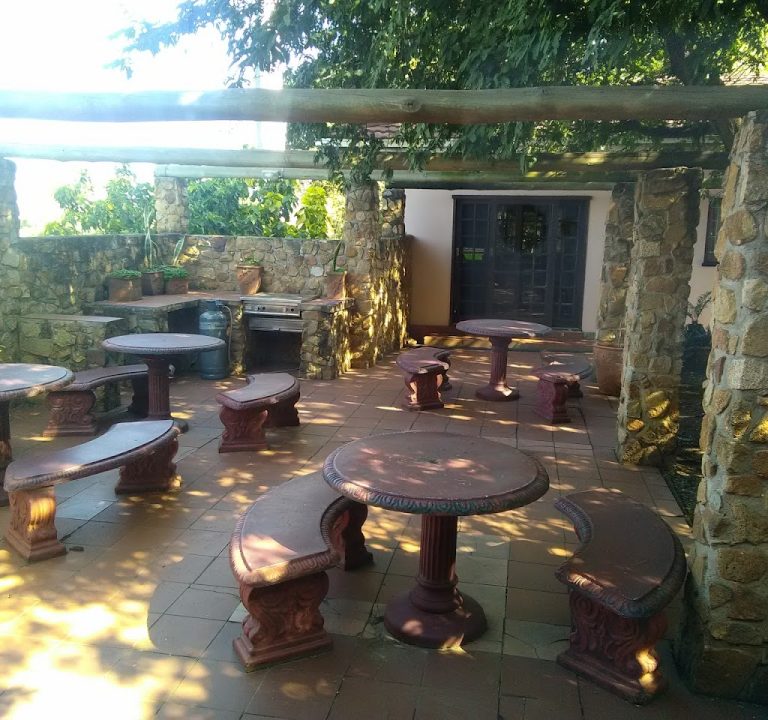
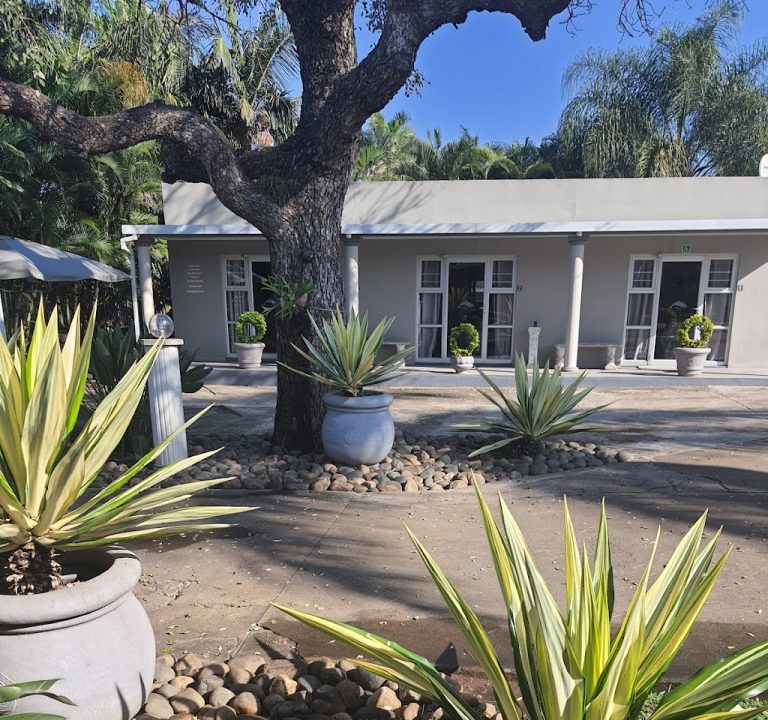
When planning a stay, consider the surrounding landscape you’d like to wake up to. Central Pongola gives convenient access to shops and eateries, while staying near the river or dam offers immediate options for birdwatching, kayaking, and scenic walks. Farm stays and rural guest houses can provide a flavour of local life and longer operating hours, often with continental-style breakfast or home‑cooked dinners included. For a smaller footprint and more intimate atmosphere, a guest house such as Casa Mia Guest House, a well‑regarded option in the area, can be an excellent home base for exploring the countryside and its wildlife-friendly terrain.
Typical amenities across Pongola’s accommodation spectrum include private en‑suite bathrooms, air‑conditioning or fans for warmer months, and off‑street parking. Many properties also offer secure, on‑site parking and occasionally Wi‑Fi in communal areas or rooms. If you’re travelling with family or a group, look for family rooms or connected suites, as well as flexible dining arrangements, laundry facilities, and outdoor spaces for al fresco meals. For those seeking a more immersive experience, inquire about guided walks, local cultural visits, or short horse– or bike‑friendly routes that some lodges arrange.
Transport around Pongola is generally straightforward by road. A hire car is the most convenient way to explore at your own pace, with several self‑drive routes centred on the town and its surroundings. If you’re relying on public transport or transfers, check with your accommodation about local options and schedules in advance. For longer trips to nearby regional centres or game reserves, arrange transfers or guided tours through your host to ensure smooth timings and a smoother start to each day.
Best time to visit Pongola aligns with the climate of KwaZulu‑Natal. The summer months (roughly October to March) bring warm to hot conditions with higher humidity and occasional afternoon showers. This period is ideal for river activities and longer daylight hours, but a light rain jacket and sun protection remain sensible. The winter season (April to September) tends to be milder and drier, which is excellent for comfortable day trips, wildlife viewing in surrounding reserves, and enjoying outdoor meals on sunlit patios. If you plan outdoor adventures, booking accommodation with reliable air‑conditioning for summer and a warm, snug room for winter can greatly improve your experience.
When choosing where to stay, consider the following factors:
- Proximity to water features and gate routes to nature reserves or scenic viewpoints
- On‑site dining options or easy access to nearby eateries
- Availability of self‑catering facilities or kitchen access for flexible meal planning
- Quiet hours and family‑friendly policies if you’re travelling with children
- Access to guided activities, safaris, or cultural experiences offered by the property
Practical tips to maximise your Pongola stay: start with fresh, unobtrusive packing—comfortable walking shoes, a hat, sunscreen, and a light layer for cooler evenings. If you’re visiting during the rainy season, bring a compact waterproof layer and protect cameras and electronics. Always confirm breakfast arrangements and meal times with your host beforehand; some guest houses offer hearty, home‑cooked options that showcase local flavours. For wildlife enthusiasts, plan early starts for game‑viewing opportunities, and ask about safe, responsible viewing guidelines to protect both guests and wildlife. If you’re interested in local culture, request information about nearby communities and artisan crafts so you can support small businesses during your stay.
In terms of attractions, Pongola invites guests to enjoy nature at a relaxed pace. Expect opportunities for birdwatching by the river or dam, scenic walks through open landscapes, and easy day trips to surrounding rural villages and vantage points. While specific venues and prices can vary, many visitors appreciate the chance to witness rural life in KwaZulu‑Natal, learn about farming practices, and sample regional hospitality in a setting that emphasises space, safety, and a slower rhythm of life. Restaurants in and around Pongola typically offer comforting, wholesome fare with South African staples, ranging from traditional home‑style dishes to lighter meals and cafe‑style choices. It is wise to budget time for a relaxed meal or coffee after a day of exploration, allowing you to absorb the atmosphere and plan the next day’s adventures.
To close the loop on your stay, consider stocking up on essentials in town before heading to more remote countryside areas, and always confirm check‑in times and any need for late arrivals with your accommodation. A well‑chosen base in Pongola can unlock a satisfying blend of rest, scenery, and gentle discovery, making it easy to dip into KwaZulu‑Natal’s broader natural and cultural appeal while returning each evening to a comfortable, welcoming space. Whether you choose a cosy guest house like Casa Mia Guest House or another intimate property, your stay in Pongola can be a calm, restorative retreat or a practical springboard for longer explorations across northern KwaZulu‑Natal.