A guide to accommodation and exploring Cape Town, with a focus on Cape Grandeur
Cape Town is a city of contrasts, where dramatic coastal scenery meets a vibrant urban scene. When planning a stay, consider neighbourhoods that align with your interests, from the buzzy waterfront and stylish Atlantic Seaboard to green valleys and historic districts further inland. For a stay that blends comfort with a sense of place, look for properties that offer easy access to public transport, reliable wifi for modern travellers, and thoughtful extras such as secure parking, good security, and guest-friendly itineraries.
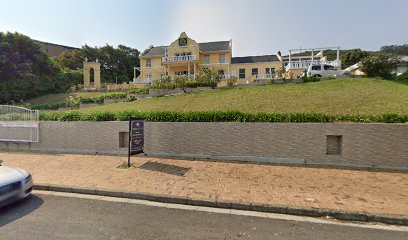
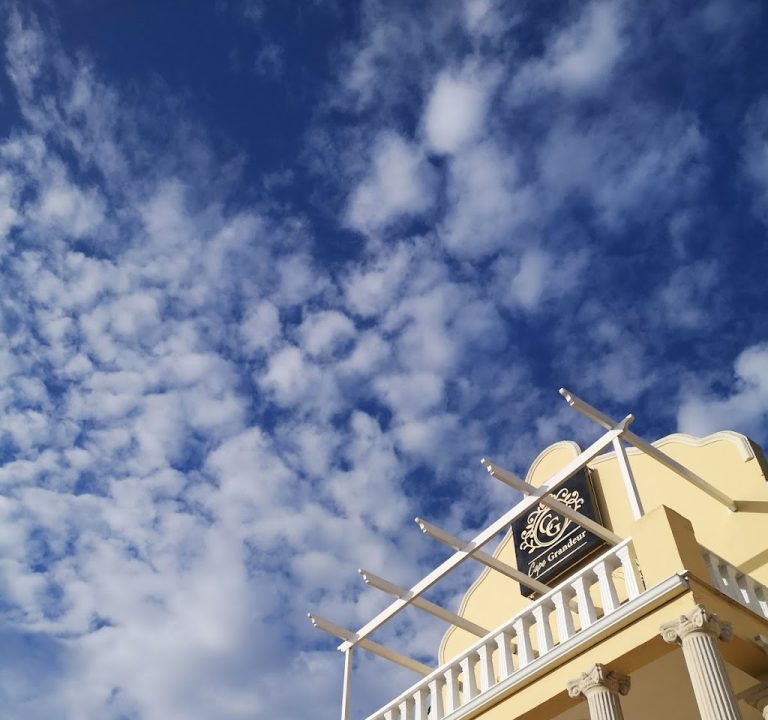
One standout option for many travellers is Cape Grandeur, a hotel that combines hospitality with a sense of calm in a city renowned for its beauty. A stay here typically includes well-appointed rooms, attentive service, and convenient access to surrounding attractions and routes into the peninsula. When you book, check what is included in your rate—breakfast, parking, and shuttle services can make a big difference to planning and budgeting. Always review cancellation policies and any seasonal surcharges, particularly around school holidays and peak winter/summer periods.
Areas to consider for a Cape Town stay
- V&A Waterfront and the City Bowl: Excellent for first-time visitors, offering easy access to museums, cruises, and a wide choice of restaurants and cafes. This area is well connected by MyCiTi bus services and taxis.
- Atlantic Seaboard (Sea Point, Bantry Bay, Clifton, Camps Bay): Ideal for beach lovers and sunset views, with a variety of modern guesthouses and luxury hotels. Expect walkable promenades and a selection of dining options within easy reach.
- Green Point and De Waterkant: A lively neighbourhood with a mix of boutique hotels and apartments, close to nightlife, the coast, and business districts. Good public transport links and proximity to football stadiums and convention centres.
- Southern Suburbs (Constantia, Newlands, Claremont): If you favour peaceful surroundings, wine estates and green spaces, this area offers larger rooms, gardens and easier parking, with easy access to the Constantia Valley and Kirstenbosch.
What to look for when booking
- Location relative to your planned activities: Decide on whether you want quick beach access, proximity to the city centre, or a more tranquil base in the suburbs.
- Room type and layout: Consider whether you prefer a compact ensuite, a suite with separate living space, or an apartment-style setup with a kitchenette for longer stays.
- Amenities: Check for reliable air conditioning, heating, free WiFi, secure parking, and generous security measures. A self-catering option can be convenient for travellers with dietary needs or busy schedules.
- Transport access: Look for properties near MyCiTi bus stops, Uber/Lyft accessibility, or with easy routes to the Cape Town International Airport and the surrounding highways.
- Meal options: Decide if you want on-site dining, continental breakfast, or no meals, with nearby cafés and markets for flexibility.
Typical amenities and practical tips
Modern accommodations in Cape Town frequently offer en-suite bathrooms, room safes, and tea- and coffee-making facilities. Some properties provide spa or fitness amenities, outdoor pools, or garden spaces—useful for travellers seeking downtime after days spent exploring. When booking, confirm the availability of late check-in if you arrive after hours, and ask about luggage storage for arrival before check-in or after check-out days.
Getting around
Public transport in Cape Town is well developed with a modern bus network and some rail connections, but many travellers prefer ride-hailing services for convenience, safety, and straightforward luggage handling. If you plan to explore beyond the city, consider car hire or organised tours. A hotel with good accessibility and information about local excursions can help you arrange day trips to the Cape Peninsula, vineyards, and nature reserves with minimum fuss.
Best time to visit
Cape Town experiences a Mediterranean climate with distinct seasons. Summer (November to February) offers warm days and longer daylight hours, ideal for beaches and outdoor activities. Autumn (March to May) and spring (September to November) bring milder weather, shorter queues at popular sights, and a tranquil city atmosphere. Winter (June to August) can be cool and wet, but this season also brings fewer crowds and good value on accommodation. Plan ahead for peak tourist periods around school holidays and major events, and always check local advisories for weather-related updates if you’re exploring coastal paths or Table Mountain routes.
Attractions and dining in general terms
Within easy reach of most accommodation, you will find a mix of natural landmarks, world-renowned viewpoints, and cultural experiences. Iconic viewpoints provide sweeping panoramas of the Atlantic Ocean and the city bowl, while nature reserves and coastal walks offer chances to spot wildlife and enjoy fresh air. Dining ranges from informal beachside eateries to stylish restaurants focusing on Cape cuisines and seasonal produce. Expect a vibrant coffee culture, artisan bakeries, and markets that showcase local produce and crafts. When planning outings, balance must-see sights with time to relax at a harbour-side promenade or on a shaded terrace after a day of exploring.
Practical planning checklist
Before you travel, make a short plan of what you want to do, with a few flexible options in case weather or crowds require adjustments. Reserve a base near transport links and with space to unpack, and book popular experiences well in advance where possible. Keep a small, light daypack ready for harbour walks, table reservations, and museum visits. Finally, research current safety information and follow local advice, particularly when exploring busy areas after dark or venturing into less crowded neighbourhoods.
For more about staying in Cape Town and the Cape Grandeur experience, explore the official site and related travel guides to tailor your stay to your rhythm, whether you seek resort-style relaxation, city culture, or adventures along the coast.
Website: Cape Grandeur