Cape Town Accommodation and Experiences: Planning a Memorable Stay in the Western Cape
Cape Town, with its dramatic coastline, iconic mountains, and diverse neighbourhoods, offers a wide range of accommodation to suit every traveller. From intimate guest houses in leafy suburbs to contemporary apartments near the V&A Waterfront, visitors can tailor a stay to their interests and budget. When planning your trip, consider the feel you want from your base, how you will get around, and which sights you aim to prioritise. The Cape Classics Accommodation Portfolio presents a curated selection of guest houses and boutique stays that emphasise thoughtful hospitality and convenient access to the city’s highlights.
Areas to consider for accommodation include:
- City Bowl and Central Cape Town: A convenient hub for exploring museums, markets, dining, and historic streets. Easy access to hop-on hop-off buses, taxis, and rideshare services, with many properties offering balconies or courtyards for a breath of fresh air after a day of city wandering.
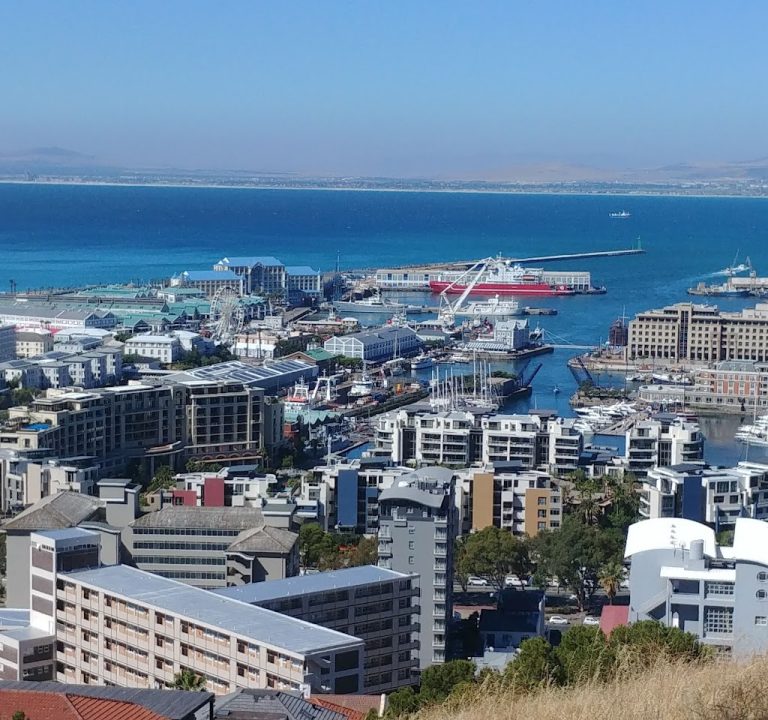
- The V&A Waterfront and Green Point: Popular with travellers who want waterfront views, easy access to the harbour, and proximity to contemporary dining and entertainment. Ideal for longer walks along the promenade and short trips to the beaches nearby.
- Camps Bay and Clifton: For a resort-like vibe with stylish hotels and guest houses close to some of Cape Town’s best beaches. These areas appeal to travellers seeking sun, sand, and chic cafes within a scenic setting.
- Constantia and the Southern Suburbs: A quieter, wine-and-dine oriented base with easy access to Stellenbosch and herb gardens, perfect for those who prefer a more relaxed pace and larger properties with private outlooks.
- Bo-Kaap and the City Centre: A historic, colourful neighbourhood ideal for travellers who enjoy cultural immersion, narrow streets, and easy access to tours and attractions on foot.
What to look for when booking:
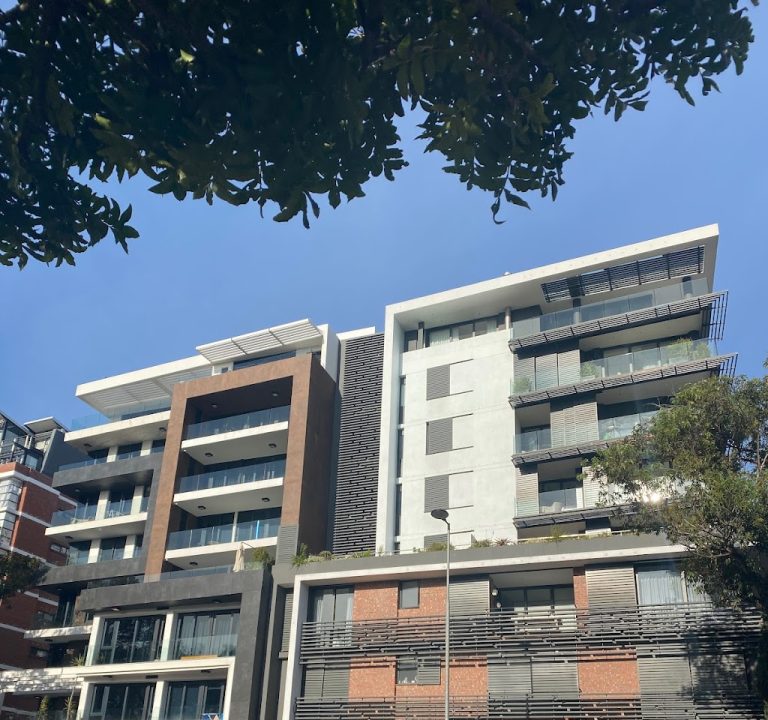
- Size and layout: Consider whether you prefer a quiet en-suite room, a self-contained apartment, or a family suite with multiple bedrooms and a kitchenette.
- Amenities: Look for free Wi-Fi, secure parking, a reliable breakfast offering, and thoughtful touches such as laundry facilities, a small kitchen, or outdoor spaces.
- Accessibility: If accessibility is important, check for step-free entry, wide doorways, and accessible bathrooms where required.
- Security: Check the neighbourhood’s safety profile and the property’s security features, such as gates, locked parking, and well-lit surroundings.
- Proximity to transit: A short walk to MyCiTi stops, rail links, or major bus routes can save time and reduce reliance on private transport.
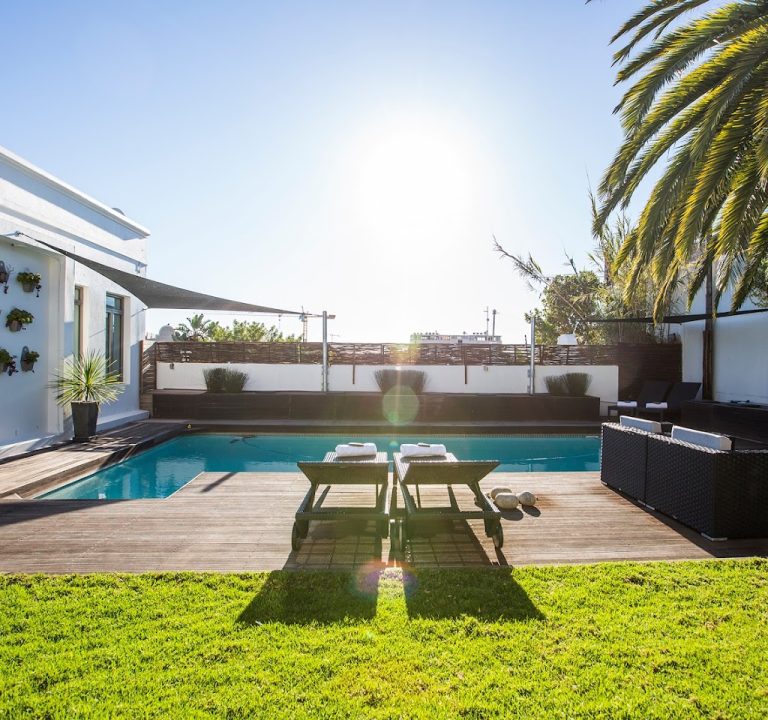
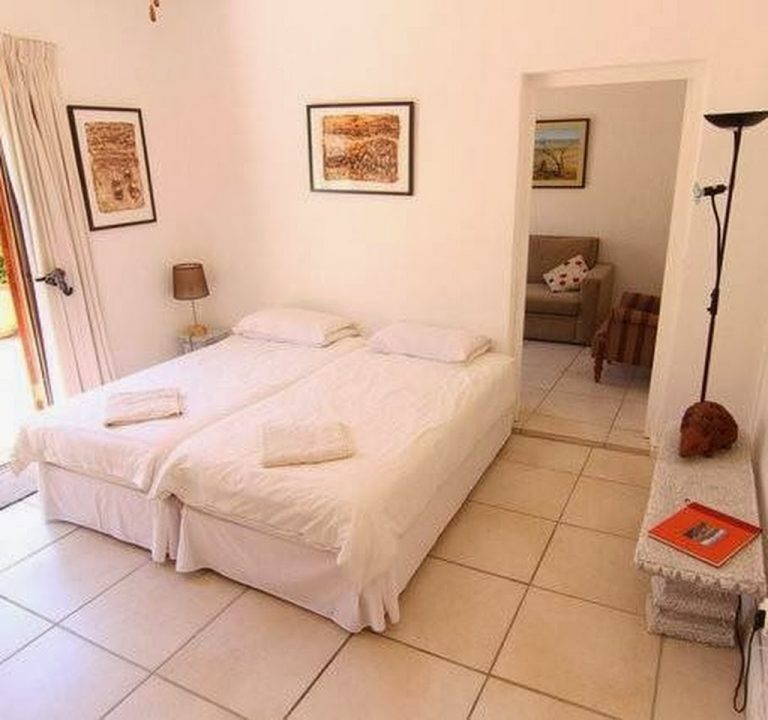
Typical amenities you might encounter include stylish en-suite bathrooms, comfortable beds with quality linens, air conditioning or fans for Cape Town’s warm days, on-site parking, and in some cases, swimming pools or landscaped outdoor spaces. Some guest houses offer curated breakfast experiences with regional flavours, while self-catering apartments provide flexibility for families or longer stays. Always check whether meals are included, as this can significantly influence your daily plans and budget.
Transport and planning tips:
- Getting around: While Uber and local rideshare services operate in Cape Town, renting a car provides flexibility for day trips to the Cape Peninsula, Cape Point, and wine regions. If you prefer not to drive, choose accommodation near main routes or near MyCiTi bus stops for convenient public transport.
- Seasonal planning: The best time to visit tends to be during the shoulder seasons (spring and autumn in South Africa) when crowds are lighter and the weather is pleasant. Summer brings longer days and beach opportunities, while winter offers milder crowds for city exploring.
- Safety and pace: Plan activities with a mix of outdoor adventures and indoor attractions to balance energy levels. Begin early to avoid peak crowds at popular viewpoints and to catch stunning morning light on Table Mountain and the coast.
Attractions and experiences to consider as you plan your stay, without fixed itineraries, include natural wonders and cultural highlights that define Cape Town. Table Mountain and the surrounding nature reserves offer spectacular views and accessible trails. The city’s harbour area provides water-based activities, markets, and scenic walks. Kirstenbosch National Botanical Garden showcases Cape Floristic Beauty, while a visit to the Cape Point reserve reveals dramatic sea cliffs and panoramic vistas. For a deeper historical perspective, Robben Island remains a poignant reminder of the country’s past and is accessible via guided crossings from the V&A Waterfront area.
When it comes to dining, Cape Town’s restaurant scene ranges from casual bistros to refined eateries that highlight Cape flavours and fresh seafood. Look for places that reflect local ingredients, with menus that change with seasons. If you wish to explore beyond the city, wine estates in Constantia or surrounding regions offer both tastings and meals in scenic settings, often paired with vineyard drives and cellar tours. For those who enjoy markets, craft stalls and small-batch producers frequently appear in or near central neighbourhoods, providing opportunities to sample regional products and handmade goods.
Practical tips for a smooth stay: book accommodation with refundable rates where possible, especially during peak seasons. Check cancellation policies and any minimum-stay requirements. Pack versatile clothing and a light layer for cool evenings and sea breezes. Plan essential activities around sunrise or late afternoon for dramatic light on coastal and mountaintop views. And finally, be open to discovery: Cape Town rewards curious travellers with intimate guest experiences, friendly hosts, and a city that blends natural beauty with rich urban culture. For more inspiration and a range of carefully vetted stays, you can explore trusted accommodation portfolios and official tourism resources before finalising your plans.