Accommodation in Cape Town: planning your stay and exploring the city
Cape Town is a city of contrasts, where dramatic coastline meets rugged mountains and a tapestry of neighbourhoods offer very different vibes. When planning a stay, it helps to choose a base that matches your interests and practical needs. Whether you arrive for pristine beaches, vibrant nightlife, world‑class dining, or easy access to landmark sights, there are accommodation options to suit most styles and budgets.
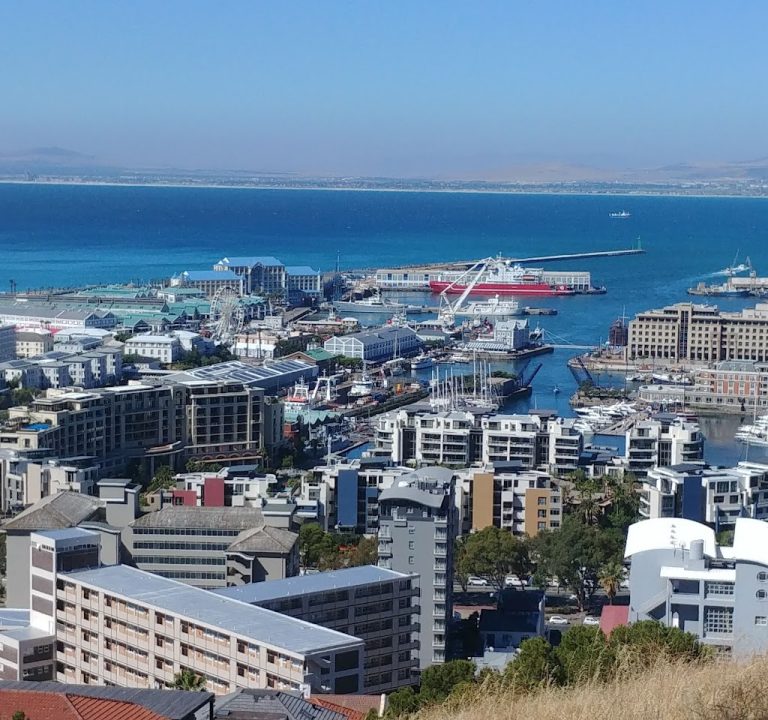
First, consider the areas you’d like to base your stay in. The City Bowl and historic centre offer central access to sights, museums, markets and easy city transport. The Atlantic Seaboard, including Camps Bay and Clifton, delivers dramatic coastal views, stylish hotels, and sunset walks. Green Point and the V&A Waterfront provide a lively mix of shops, restaurants and easy access to the sea. Constantia or the surrounding wine lands offer a more relaxed, leafy retreat with larger properties and opportunities for day trips to the winelands. For a family‑friendly option with plenty of green spaces, look to the southern suburbs or suburban hotels with suites and kitchens. Each area has its own character, so align your choice with your anticipated daily plans and preferred pace of travel.
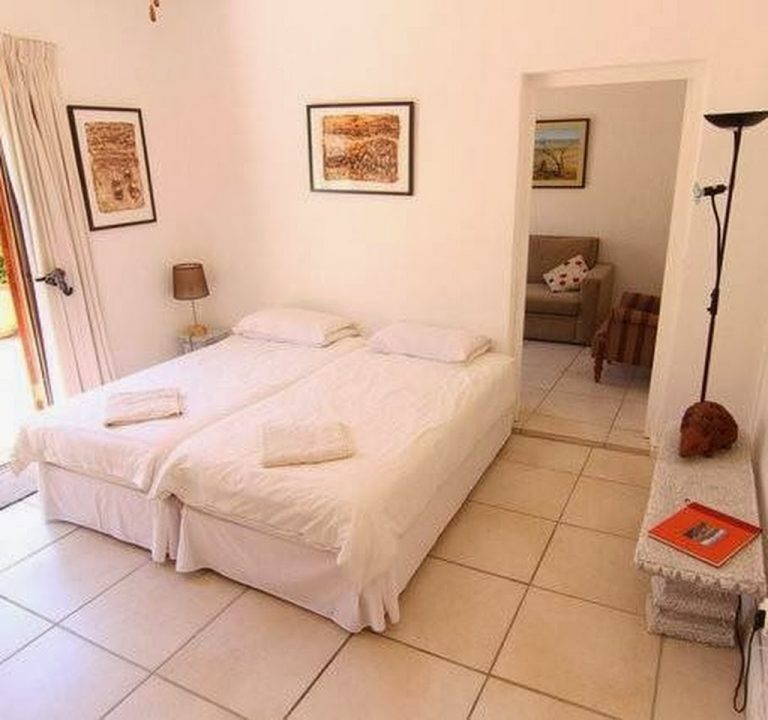
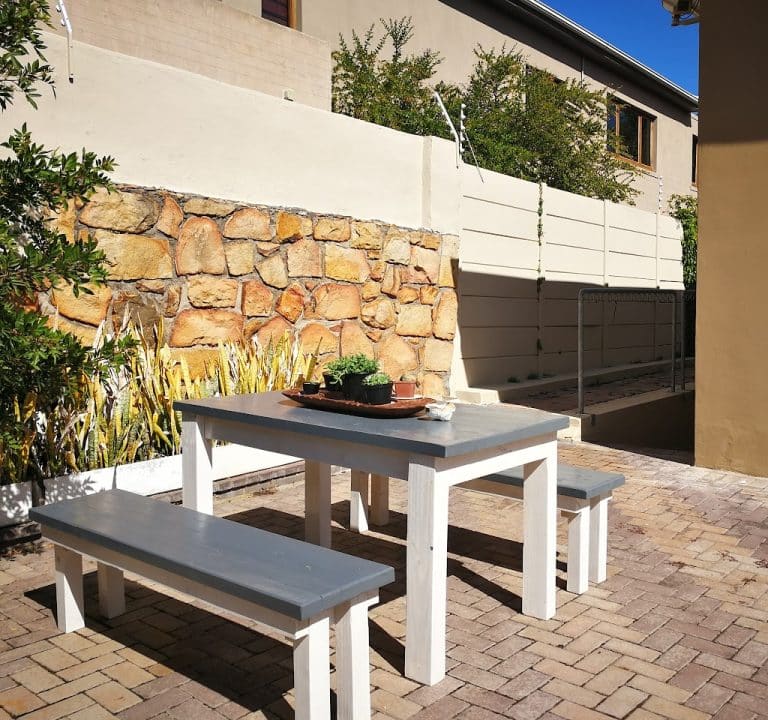
When booking, think about practicalities as well as style. Typical amenities in well‑regarded Cape Town properties include en‑suite bathrooms, reliable wifi, heating or air conditioning, breakfast options, secure parking or easy access to public transport, and on‑site sustainability features. If you’ll be exploring widely, you may value a guesthouse or hotel with easy grocery access, a kitchenette or self‑catering facilities, and clear information about local routes. For business or longer stays, look for quiet rooms, desks, good lighting, and flexible cancellation policies in case plans shift. If accessibility is important, confirm lift access, step-free entrances, and room layouts in advance. Always check recent guest reviews for notes on cleanliness, sound insulation, and the responsiveness of staff.
Transport is a key planning element in Cape Town. The city offers a reliable MyCiTi bus network in many areas, as well as taxis and rideshare services. If you plan to explore beyond the immediate neighbourhood or visit the Cape Peninsula, a car hire can be convenient, though driving requires attention to local driving habits and parking rules. Some hotels and guesthouses provide airport shuttles or city centre pick‑ups, which can simplify travel after a long flight. If you prefer to stay car‑free, choose accommodation within a short walk of major bus stops, the V&A Waterfront, or a train station, and map routes to Table Mountain, Kirstenbosch or Cape Point via public transport where possible.
Timeline and seasons are important when deciding when to visit. Cape Town enjoys a Mediterranean climate with dry summers and wet winters. Peak tourist season spans the austral summer, with long days and lots of outdoor activities, but it can be busy and more expensive. Spring and autumn (September to November, March to May) often bring pleasant weather, smaller crowds, and good value. Winter (June to August) is cooler and wetter, yet you can still find cosy stays, fewer queues at popular attractions, and a different ambience, especially in the city’s dining scene. If your plans include iconic outdoor experiences, consider shoulder seasons for a balance of comfortable weather and quieter streets.
Attractions and experiences sit at the heart of a Cape Town stay. Iconic views from Table Mountain (via cable car or the adventurous hike) are a highlight for many visitors. A trip to the Cape Peninsula introduces rugged coastline, outlooks, and penguin colonies depending on the season. The Kirstenbosch National Botanical Garden offers shaded paths and sweeping lawns, while the Constantia Valley wineries provide scenic day trips with sensory experiences rather than specific price guides. The V&A Waterfront is a hub for shopping and dining, and the historic Cape Malay quarter provides opportunities to understand the city’s cultural tapestry. For nature and wildlife in a more intimate setting, nearby nature reserves and coastal paths offer rewarding half‑day walks with striking views.
Dining in Cape Town ranges from casual eateries serving fresh fish and seasonal produce to refined restaurants housed in stylish hotels. Rather than fixating on particular names, seek lively venues with local ingredients, seasonal menus, and good wine lists. If you’re visiting with family or a group, look for places with flexible menus, outdoor seating, and kids’ options. For evenings, a few hotels and guesthouses host in‑house or partner restaurant experiences that highlight regional flavours and a sense of place, which can be a convenient way to end a day of sightseeing.
Practical tips to help you enjoy a smooth stay:
- Read recent guest reviews to gauge cleanliness, sound levels, and staff responsiveness.
- Ask about parking options, security, and access to laundry facilities if staying longer.
- Check cancellation policies and what is included in breakfast or room rates.
- Pack layers to cope with microclimates—cool breezes can accompany warm days along the coast.
- Plan wine‑tasting or nature‑based activities ahead of time, but leave space for spontaneous discoveries.
- Use official or reputable booking platforms and verify address details before you travel.
With thoughtful planning, your Cape Town stay can be as energising or as relaxing as you wish. By choosing a district that aligns with your pace, verifying essential amenities, and keeping transport options in mind, you’ll be well placed to enjoy both the city’s renowned highlights and its quieter, restorative corners. For those seeking a refined base with easy access to a mix of sights, a well‑chosen hotel or guesthouse can become a comfortable home from home as you explore the Mother City and its surrounding splendour.