Accommodation and Experiences in Cape Town: Planning a Great Stay
Cape Town offers a diverse tapestry of places to stay, from elegant boutique hotels to comfortable guesthouses and modern aparthotels. When planning a visit, the most important decisions revolve around location, what you want to experience, and the style of stay that suits your travel rhythm. The city is compact enough to be explored by day trips, yet rich enough to warrant multiple neighbourhoods to call home for a few nights. In central and leafy areas such as the Gardens, the Atlantic Seaboard, and near the harbour, you can find a broad range of accommodation that balances convenience with character.
Key areas to consider include:
- City Bowl and Gardens: Close to museums, theatres, and the central business district, with easy access to restaurants and markets. Ideal for first-time visitors who want to be near the heart of the action.
- V&A Waterfront and the Inner City: A lively hub with waterfront walks, eateries, and convenient transport links. Suitable for travellers who value a vibrant atmosphere and being within reach of guided tours and day trips.
- Atlantic Seaboard (Camps Bay, Clifton, Sea Point): For sea views, relaxed beach culture, and a longer horizon line at sunrise. Great for travellers seeking stylish bars, eateries, and a resort feel.
- Southern Suburbs and Constantia: Quieter neighbourhoods with leafy streets, wine routes, and easy access to nature and gardens. Good for families or couples seeking a slower pace.
When choosing your base, think about accessibility to public transport and comfort with longer drives. The MyCiTi bus network offers dependable routes around the city, while some areas are best reached by rideshare services or a rental car. If you plan to tour the Cape Peninsula, a car can be very convenient. For many visitors, a day trip to the Cape Peninsula, Cape Point, or the Cape Winelands is a highlight, so consider a location that reduces backtracking.
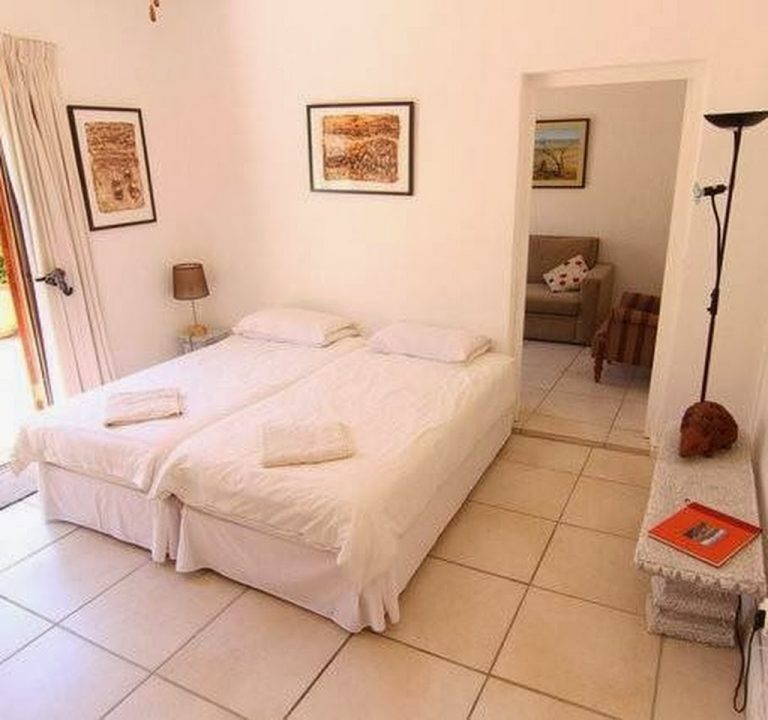
What to look for when booking your stay? Start with the basics: a clean, well-maintained room, a comfortable bed, and reliable service. Then consider extra touches that can make a difference during a longer stay. A guesthouse or hotel that provides thoughtful amenities—such as a well-equipped kitchenette or breakfast options, on-site parking, secure access, and helpful staff who can point you to local experiences—will usually offer a smoother visit. If you’re travelling with children or staying for a week or more, an apartment-style room or suite with a living area can be more practical than a standard hotel room.
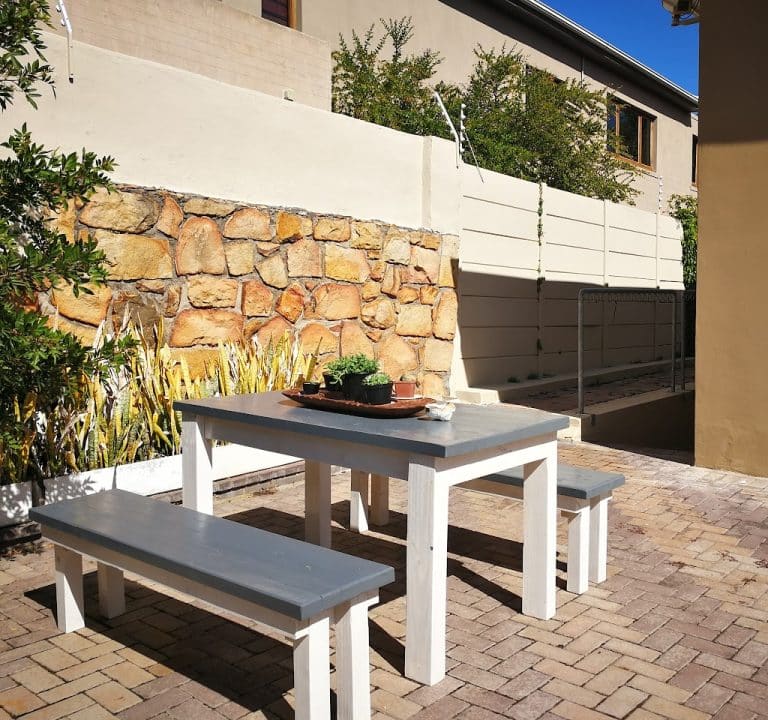
Typical amenities you may encounter include free Wi‑Fi, air conditioning or effective heating, complimentary toiletries, and in some cases, coffee and tea facilities, minibars, and laundry services. In many boutique hotels and guesthouses, you’ll discover a distinctive sense of place—interiors that reflect Cape Town’s natural beauty and cultural diversity, with views of mountains or the harbour. A simple shared lounge, a terrace, or a garden can be a pleasant place to relax after a day of exploring.
Arrival and transport tips: check the nearest airport transfer options, taxi or rideshare availability, and whether the property offers shuttle services. If you are visiting during peak season, request airport arrival details in advance and confirm check-in times, especially if you have late travel. Pack appropriately for Cape Town’s microclimates: mornings can be cool, especially near the sea or in the foothills, while afternoons can warm up quickly. A light jacket or cardigan and a sunhat are useful year-round, and a small bag with water and a camera will serve you well on full days of sightseeing.
The best time to visit Cape Town depends on what you want to do. Spring (September to November) and autumn (March to May) bring mild weather and fewer crowds, ideal for hiking Table Mountain and exploring outdoor markets. Summer (December to February) offers longer days and lively beach life, but it can be busy and pricier. Winter (June to August) brings cooler, wetter weather—though many indoor attractions, galleries, and wine routes remain appealing, and slopes of constantia offer scenic walks with fewer visitors.
Attractions and experiences to consider planning into your stay, in broad terms, include nature reserves, scenic drives along the coast, and cultural or historical sites. While exact venues and ticket prices may change, the city generally offers a range of experiences from panoramic viewpoints and coastal walks to museum visits and guided tours. Dining in Cape Town ranges from casual markets and bayside cafes to refined restaurants toward the city’s inner districts. Look for eateries that showcase local ingredients and South African culinary traditions, and consider pairing meals with regional wines from nearby estates. If you wish to sample local flavour without committing to a long itinerary, join a food market or a guided neighbourhood walk to discover favourites near your accommodation.
Practical tips for a smooth stay:
- Book accommodation with flexible cancellation policies where possible, as travel plans can shift.
- Ask hosts or staff for personalised tips on safe neighbourhoods, parking rules, and current transport options.
- Consider a mix of activities: a day in nature, a harbour or coastal stroll, and a relaxed day of markets or galleries.
- Use official or reputable websites for planning day trips, and read recent guest reviews to gauge current conditions and service levels.
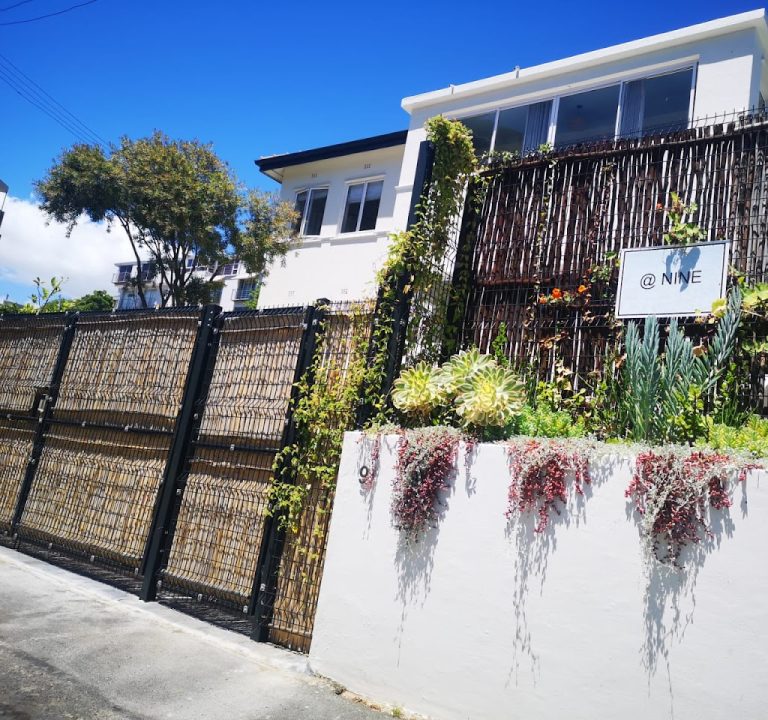
In sum, Cape Town rewards travellers who balance practical planning with openness to discovery. Whether you choose stylish boutique accommodation such as a property in the Gardens area or a comfortable guesthouse closer to the harbour, a well-chosen base will help you make the most of this dynamic destination. For those seeking a refined, modern stay with a strong sense of place, options like 15 on Wessels in central Cape Town offer proximity to city life while serving as a calm retreat after days spent exploring the surrounding beauty and culture. For more information and to explore current availability, visit the accommodation’s official website or trusted booking platforms to compare options and read recent guest experiences.