Accommodation and Experiences in St Lucia, KwaZulu-Natal
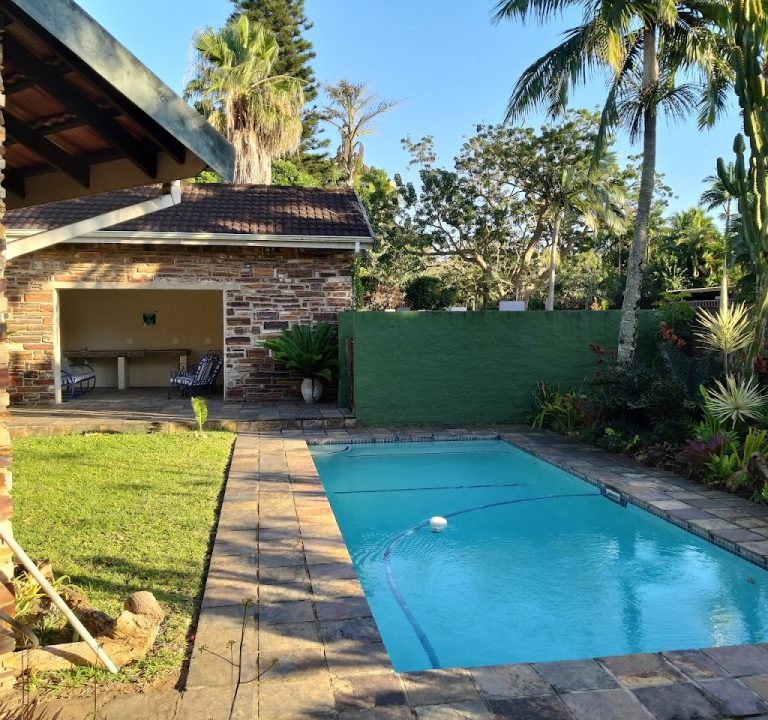
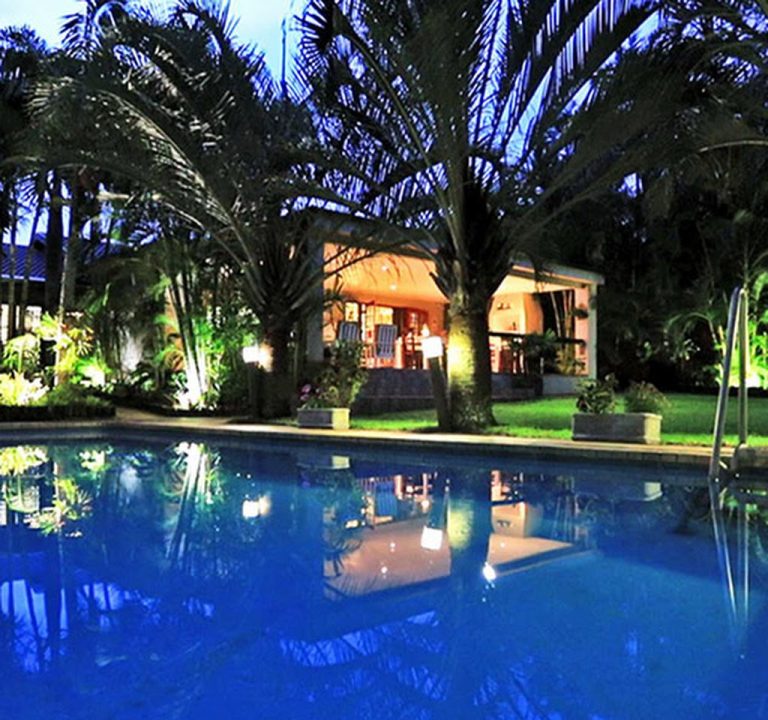
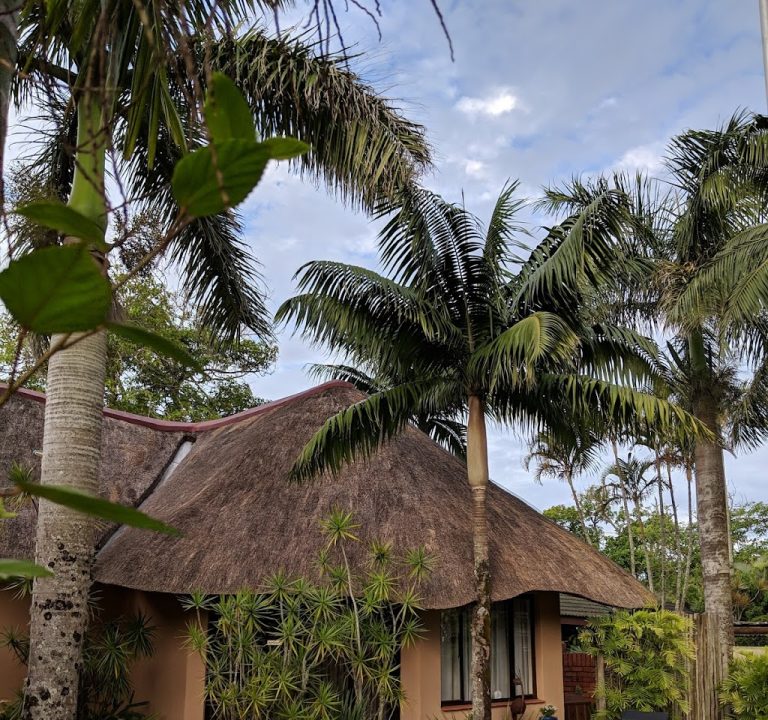
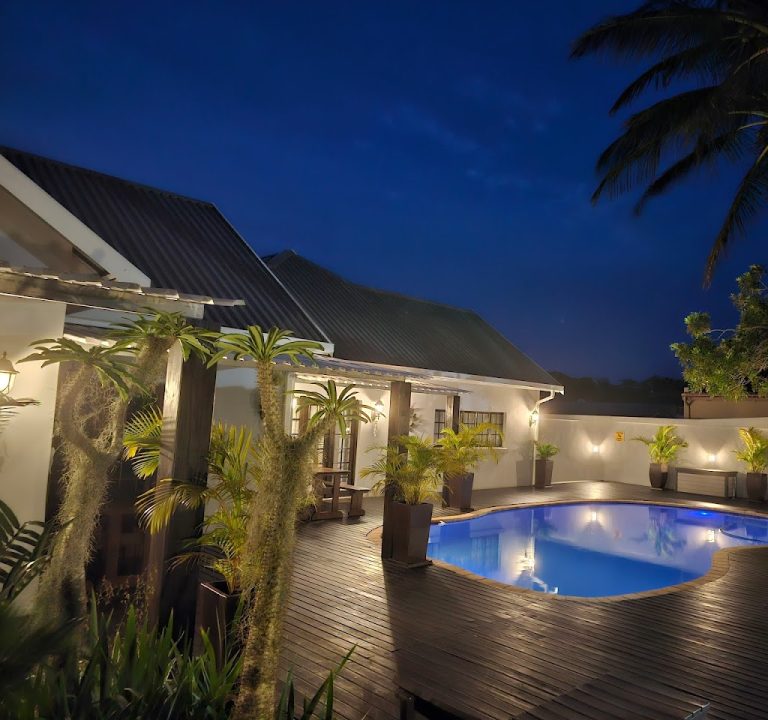
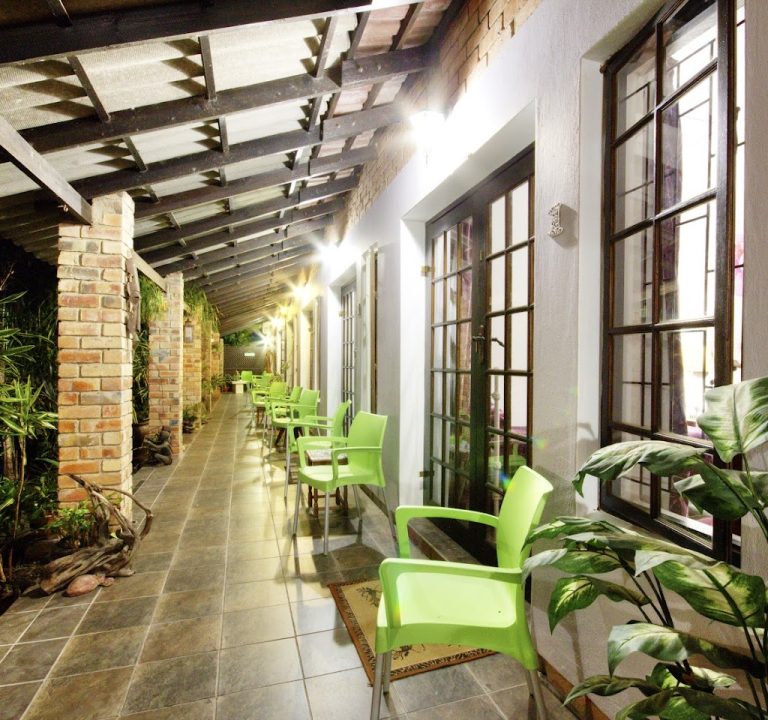
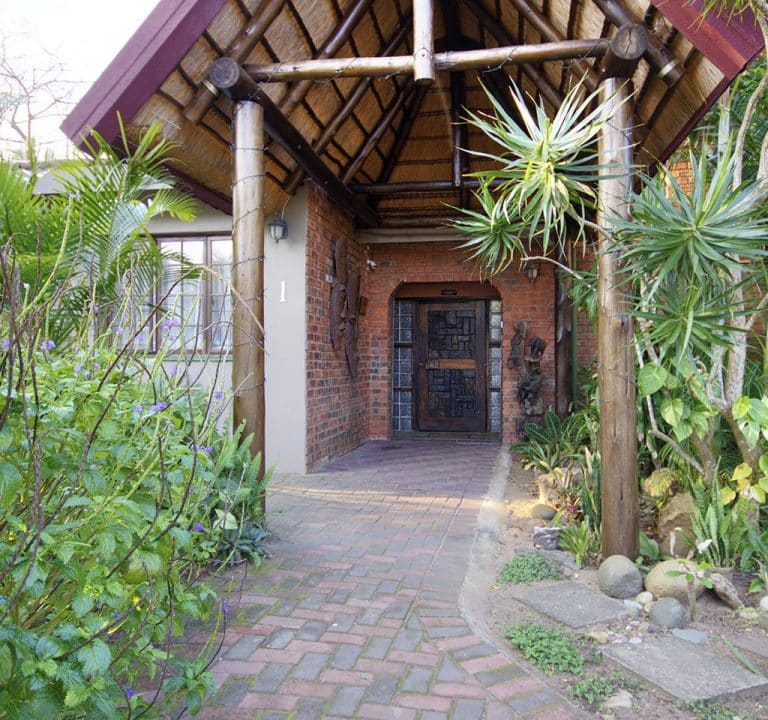
St Lucia, situated at the edge of KwaZulu-Natal’s subtropical coastline, offers a varied mix of guesthouses, lodges and small hotels that suit a range of travellers. When planning a stay, consider which area will best anchor your activities, whether you want water-based adventures, easy access to wildlife reserves, or a more relaxed village atmosphere. Buya Futhi Guesthouse is one example of a guesthouse option that combines comfortable rooms with a convenient location for exploring the area.
Areas to consider for your stay include the harbour and town centre, which tend to be lively, with shops, eateries and access to boat trips. If you prefer a quieter setting, look for lodges and guesthouses on the outskirts or near nature reserves, where mornings may begin with bird song and the possibility of seeing wildlife from the doorstep. Accessibility to the town, ferry routes, and near-by reserves should guide your choice, especially if you plan daily excursions or guided safaris.
When booking, think about the tempo of your trip. Some properties offer guided walks, arranged boat trips, or private patio spaces for sunset meals. Check the layout of the accommodation: whether rooms are en-suite, if there is a communal kitchen or dining area, and what the guesthouse policy is regarding children, night-time quiet, and how staff assist guests with bookings or transfers. If you value sustainability, look for properties that employ local staff, use eco-friendly practices, or operate with conservation partners—these often reflect a thoughtful approach to visitor experiences in the region.
Typical amenities to expect in St Lucia's guesthouses and lodges include air-conditioned or well-ventilated rooms, fans, and fans or heating for variable coastal weather. Many properties offer secure parking, Wi‑Fi, and comfortable communal spaces for socialising or resting between excursions. It is common to find a small breakfast option, with possibilities for dinner on request, particularly at family-run guesthouses. Some properties may provide picnic facilities or arrange packed lunches for day trips, which can be convenient for early starts on wildlife or boat-based adventures.
Transport is a practical factor in planning your stay. If you are driving, confirm parking arrangements and access routes, especially if your accommodation sits slightly away from the town centre. For those relying on transfers or local taxis, check whether the guesthouse can assist with airport or rail transfers, or if there are recommended operators. In many parts of KwaZulu-Natal, guided day trips or private drivers can be arranged to visit close-by nature reserves or coastal viewpoints, often at reasonable value when organised through your lodging.
The best time to visit St Lucia depends on what you want from the trip. The region experiences a warm subtropical climate, with dry winter months that can be excellent for wildlife viewing, and wetter summer periods that bring lush scenery. If you are a birdwatcher or wildlife enthusiast, plan for mornings when animals are most active and temperatures are cooler. Shoulder seasons may offer quieter attractions and more flexible pricing for accommodation, while peak season can be busier but with a bustling atmosphere around the harbour and lake area.
Practical tips for a smooth stay include arriving early to secure parking, asking reception for saved recommendations on local eateries and activities, and confirming meal times in advance if you are on a tight schedule. Pack light layers for variable coastal weather, and bring insect repellent for evenings near water or in woodland areas. If you are planning a day on the water, carry sun protection and a light waterproof layer, as conditions can change quickly near the coast or estuary.
Attractions in the area tend to centre on the estuarine ecosystem, riverside walks, and the chance to observe wildlife from boat or land-based guides. In general terms, you can expect opportunities to explore early-morning boat safaris, guided nature walks, and visits to local markets or cultural centres that showcase Zulu heritage and artisan crafts. Restaurants in St Lucia range from casual eateries serving seafood and regional fare to more refined options offering a blend of coastal flavours and international dishes. Many venues emphasise fresh, locally sourced ingredients, with menus designed to complement the day’s outdoor activities. When dining out, it is common to find options for lighter meals after a morning on the water, and more substantial dinners that pair well with a relaxed evening in the guesthouse or lodge garden.
- Choose accommodation with easy access to the estuary and town amenities for maximum convenience.
- Ask about guided excursions or partner operators for wildlife watching and boat trips.
- Check for air conditioning or adequate ventilation, especially during warmer months.
- Consider properties with on-site parking and flexible meal options.
- Plan for a mix of light daily excursions and relaxed days to enjoy the guesthouse surroundings.
For a balanced stay, combine a couple of nights in a centrally located guesthouse such as Buya Futhi with day trips into the surrounding reserves or boat-based experiences. Use reputable local operators and librarians in your guidebook or hotel to ensure you receive current, practical advice on routes, timings and safety. With its warm climate, welcoming guesthouses, and array of natural and cultural attractions, St Lucia offers a thoughtful blend of relaxation and discovery that can be tailored to suit solo travellers, couples, or families alike.