St Lucia, KwaZulu-Natal: where to stay, what to do, and how to plan your visit
St Lucia in KwaZulu-Natal is best known for its tranquil waterways, subtropical scenery and proximity to superb wildlife experiences. It is a destination that rewards careful planning: choosing the right area to stay, selecting a comfortable base with practical amenities, and organising days around nature, dining and gentle adventures. From boutique guesthouses to lodges with pools and terraces, the town offers provisions for a relaxed break or a more active itinerary.
When choosing accommodation, consider the different zones around St Lucia. The village centre is convenient for short strolls to shops, cafes and boat trips, while riverfront and forest-edge properties often offer more seclusion and verdant views. If you are travelling with family or a group, look for family rooms, interconnected suites, or accommodation with easy access for little ones. For couples seeking quiet, a boutique guesthouse or a small lodge with a verandah or balcony can provide a peaceful escape. Practicalities such as on-site parking, secure access, and laundry facilities are worth checking, particularly if you plan a longer stay or visits to nearby reserves.
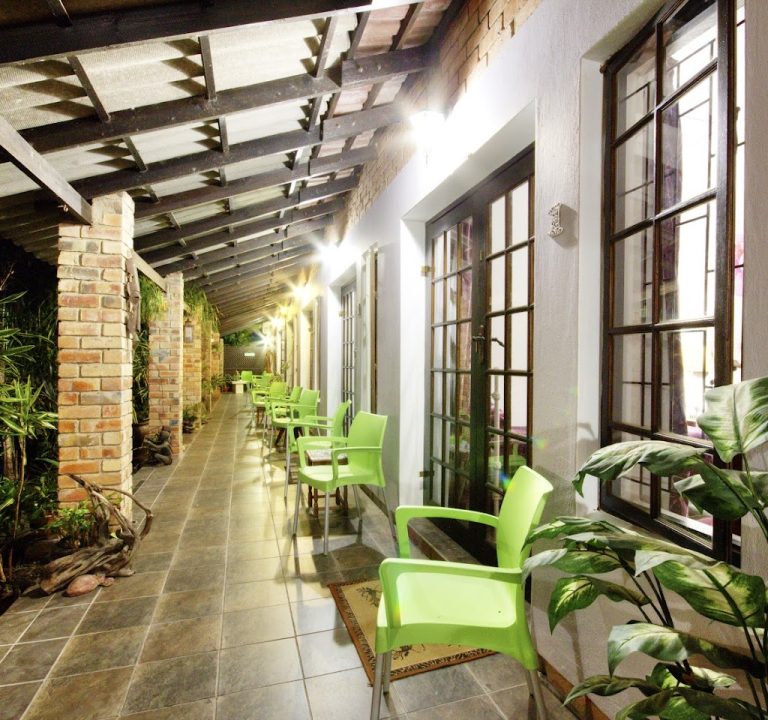
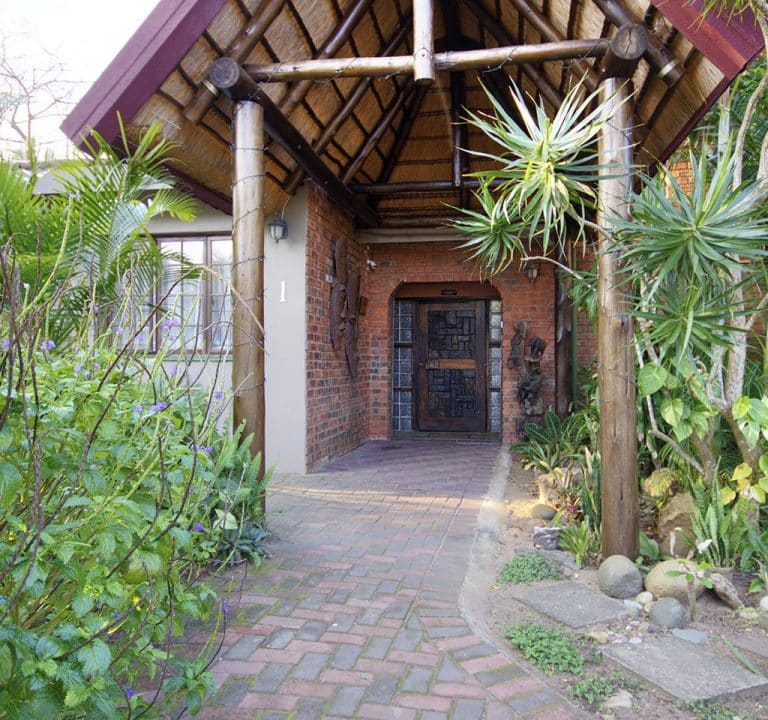
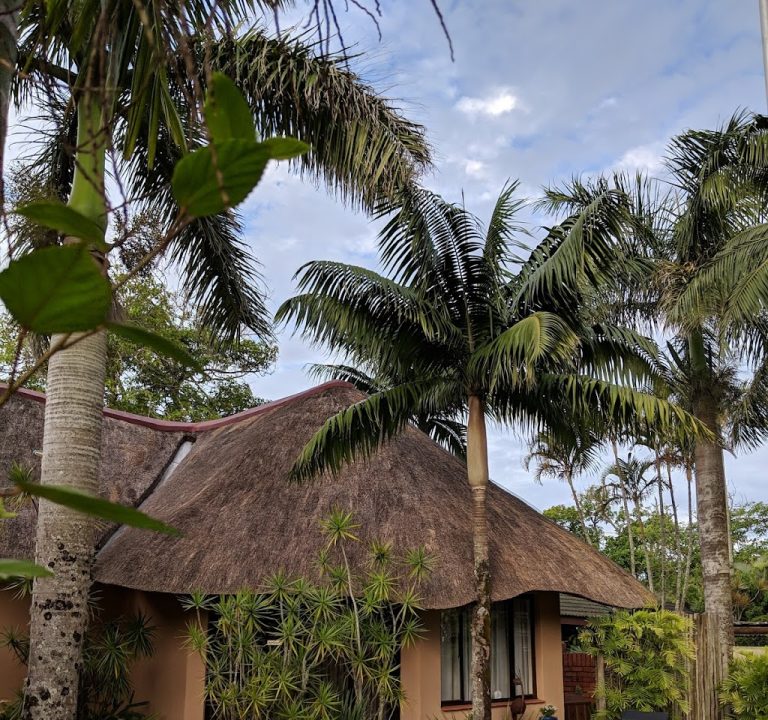
One well-regarded option to consider is Maputaland Guesthouse. It represents the type of lodging that travellers often seek in this region: a comfortable base with approachable facilities and a location that supports thoughtful day trips. For more information, you can visit the property’s website: Maputaland Guesthouse.
Typical amenities you might encounter include air conditioning or ceiling fans, Wi-Fi in public areas, clean daily housekeeping, spa or pool facilities, and secure parking. Many properties offer breakfast as part of the rate, with some providing dinner on request. If you enjoy outdoor living, look for rooms or suites with private terraces, hammocks, or direct access to gardens or courtyards. For families, consider options with kid-friendly spaces or games to keep younger travellers engaged between excursions.
Transport arrangements are a practical consideration. St Lucia town itself is compact enough to explore on foot, particularly the estuary area with its boardwalks and fresh-market stalls. For excursions into the surrounding reserves or coastal passes, you will likely rely on a hired car or a guided tour. Some accommodation providers can arrange transfers or recommend reliable local operators for day trips, boat safaris, and birdwatching outings. If you anticipate making early starts for wildlife experiences, choose a base with a convenient pickup point and easy access to the morning routes.
The best time to visit St Lucia depends on what you want to experience. The area enjoys a sub-tropical climate, with warm summers and cooler, drier winters. The dry season—roughly May through August—can be pleasant for outdoor activities and boat safaris, while the wetter months bring lush scenery and migratory birds. Shoulder seasons can offer fewer crowds and reasonable room rates. If you are keen on birdwatching, spring and autumn often deliver good sightings alongside comfortable temperatures. Always pack sun protection, light rain layers, and suitable footwear for boardwalks and uneven paths.
When planning an itinerary, balance wildlife in the wider region with marine or coastal activities. Within easy reach, you’ll find opportunities for boat safaris along the estuary, boat-based viewing of resident and visiting birds, canoe outings on calm waters, and guided nature walks through surrounding habitats. For a broader experience, consider guided trips to nearby reserves or community-led experiences that showcase local culture and sustainable tourism practices. Dining in St Lucia centres around fresh seafood, game-inspired dishes, and regional flavours, with options ranging from casual eateries to more refined venues. While you should rely on up-to-date local recommendations, the general expectation is that meals emphasise seasonal produce and coastal influences, with menus changing to reflect daily catches and harvests.
Practical tips to help you plan a smooth stay:
- Book accommodation with clear cancellation policies and flexible dining arrangements in case plans shift.
- Check for on-site or nearby activities such as guided walks, boat trips, or wildlife viewing opportunities and whether these require pre-booking.
- Verify access to essential services: reliable Wi‑Fi, on-site parking, and easy access to supermarket or convenience store for self-catering days.
- Consider travel between St Lucia and the surrounding attractions by car or approved tour operators; avoid relying solely on local taxis for long day trips.
- Pack insect repellent and sun protection, plus a lightweight layer for cooler evenings, particularly in winter.
For the curious traveller, St Lucia offers a gentle blend of nature and coastal life. While you plan, it helps to think about how much time you want to dedicate to wildlife experiences, how far you want to travel to access reserves or beaches, and what pace of travel suits you best. By choosing the right base—whether near the village hub for easy access to eateries and shops or tucked away in a more secluded spot with garden views—you can tailor a stay that feels both restorative and restorative with memorable encounters. And when you’re ready to book, your chosen property’s website is the best place to confirm current facilities, availability, and rates, ensuring your trip to St Lucia is enjoyable from the moment you arrive.