Staying in Folokwe, Eastern Cape: accommodation, attractions and practical planning
Folokwe in the Eastern Cape offers a mix of community-minded stays, rustic beach lodgings and simple guesthouses that provide both comfort and an authentic sense of place. The area is ideally explored with a relaxed pace, giving visitors the chance to connect with local culture, coastline and expansive landscapes. When planning a visit, consider staying in or near Bulungula and the surrounding coastal villages, where eco-conscious options and community-owned accommodation often welcome travellers with warmth and good value.
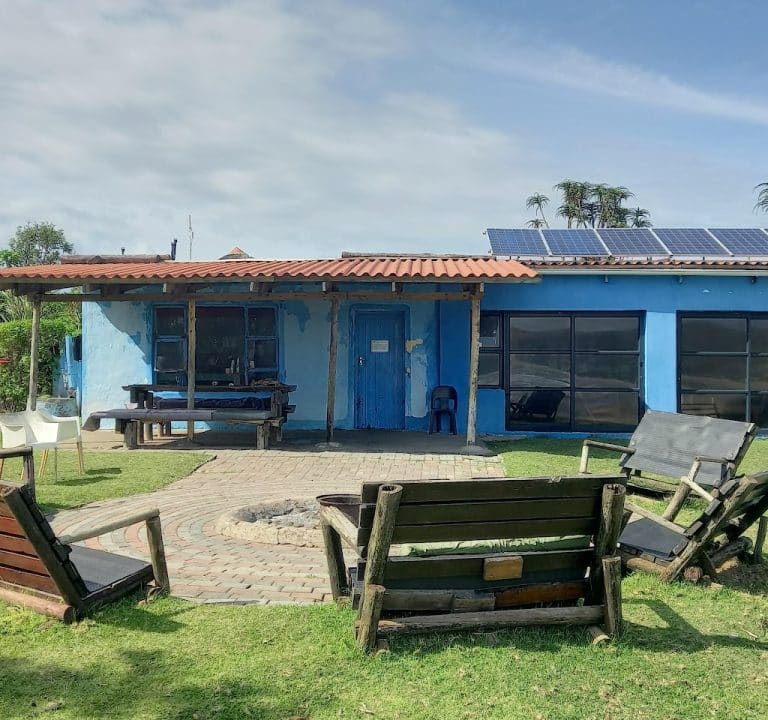
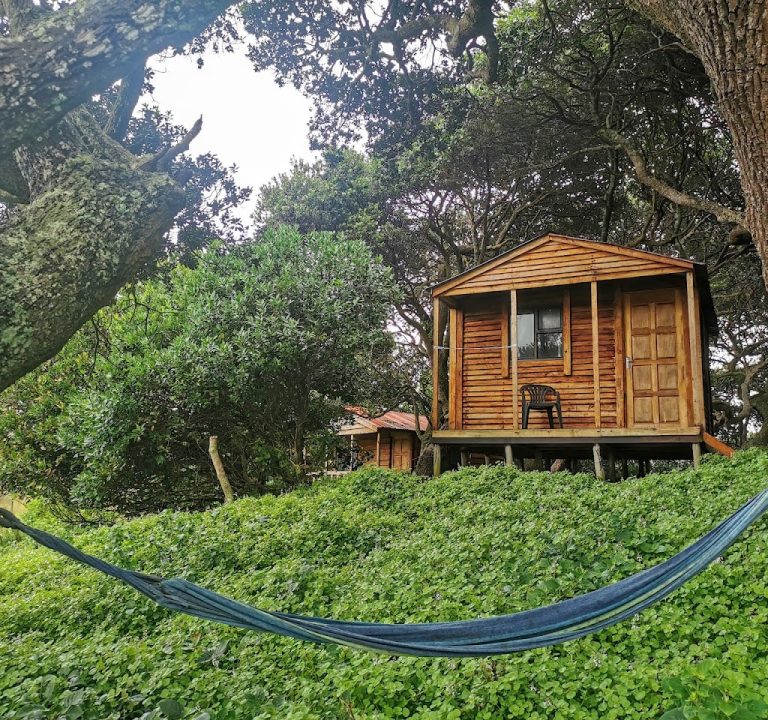
Accommodation in Folokwe tends to prioritise atmosphere and location over hotel-scale facilities. You’ll find hostels, modest guesthouses and small lodges that emphasise sustainability, traditional Xhosa hospitality and family-run operations. Look for places that clearly outline what is included in your rate—whether breakfast is available, if there is access to a shared kitchen or lounge, and whether there are spaces to dry gear after a day on the coast. If you’re travelling with a group or family, some options offer family rooms or self-catering units, which can be convenient for longer stays.
When choosing a base, think about what you want to access on foot, by bicycle, or by vehicle. Coastal routes can be perfect for morning walks along quiet beaches, while inland trails reveal gentle hills and birdlife. If you are visiting in peak season, booking ahead is wise, as smaller community-run lodges and guesthouses may have limited capacity. For a more immersive stay, consider options that include cultural or community experiences, such as guided village walks, crafts demonstrations or traditional meals, which can enrich your understanding of the region and support local livelihoods.
Typical amenities in Folokwe-area accommodation include comfortable beds, clean private or shared bathrooms, communal lounges, and access to a simple kitchen or outdoor cooking areas. Some properties offer shaded verandas or outdoor seating where you can enjoy cool evenings and sea breezes. If you rely on electricity and hot water, check whether the property has generators or solar power for evenings during outages. For travellers who value eco-friendliness, look for hosts who minimise plastic use, encourage recycling, and provide information on responsible tourism practices.
Transport choices are a key planning consideration. The coastal settlements are best explored with a vehicle or a trusted local transport option, especially if you want to reach beaches, trails or markets outside walking distance. If you prefer not to drive, ask your host about transfers or local rideshare arrangements. In some seasons, roads can be sandy or uneven; packing sturdy footwear and a small picnic or water bottle is always sensible for day trips. For those arriving by air to the region, plan onward travel from major hubs with a clear route to Folokwe and your accommodation.
Best time to visit Folokwe and the broader Eastern Cape varies by interests. The coastal climate is generally mild, with warmer summers and cooler winters. Summer (roughly November to February) brings lively seabirds, long days and good conditions for beach activities and river excursions. Autumn and spring offer pleasant temperatures for hiking and birdwatching, while winter (June to August) can be cooler and drier, suitable for activities that don’t rely on heat. Coastal weather can be changeable, so packing layers, a light rain jacket and sun protection is wise year-round.
Practical tips for a smooth stay include arriving with a flexible schedule and a sense of good will toward local hosts. Respect local customs and ask before photographing people or certain ceremonies. Polling for local advice on the best beaches to visit, safe swimming spots and where to buy fresh seafood or farm produce can yield rewarding experiences. When dining out, you’ll find simple, flavourful dishes that highlight regional ingredients; many eateries offer set menus or single-dish options, so munching on local fare becomes an inexpensive way to sample the area.
Attractions in the area are typically nature- and culture-focused. Visitors can expect opportunities to enjoy pristine coastline, sand dunes, tidal flats and opportunities for walking or cycling along scenic routes. Interactions with local communities often feature crafts, music, storytelling and traditional cooking demonstrations, contributing to a deeper appreciation of the region’s heritage. For a broader day trip, consider exploring nearby protected landscapes or community-led initiatives that promote conservation and sustainable livelihoods. Always check with your accommodation about guided options, as local guides can tailor experiences to fit fitness levels and interests while supporting community projects.
Booking wisely can enhance value and the quality of your stay. Read recent guest reviews to gauge consistency in cleanliness, helpfulness of hosts, and accuracy of descriptions. Confirm what is included in the rate, the availability of parking, and policies around curfews or shared spaces. If you plan to stay multiple nights, ask about discounts for longer stays or the possibility of a reduced rate for midweek visits. For ideas and inspiration, you can consult official tourism resources and travel guides that cover the Eastern Cape, or visit reputable travel websites for general information on Bulungula and nearby areas.
For practical planning and inspiration, consider browsing resources such as official tourism sites or reputable travel guides online. These can provide up-to-date suggestions on places to stay, suggested itineraries and seasonal highlights. Links to trusted sources can be helpful as you finalise arrangements and shape a memorable visit to Folokwe and its surrounding communities.
Website links: https://www.southafrica.net, https://www.sa-venues.com