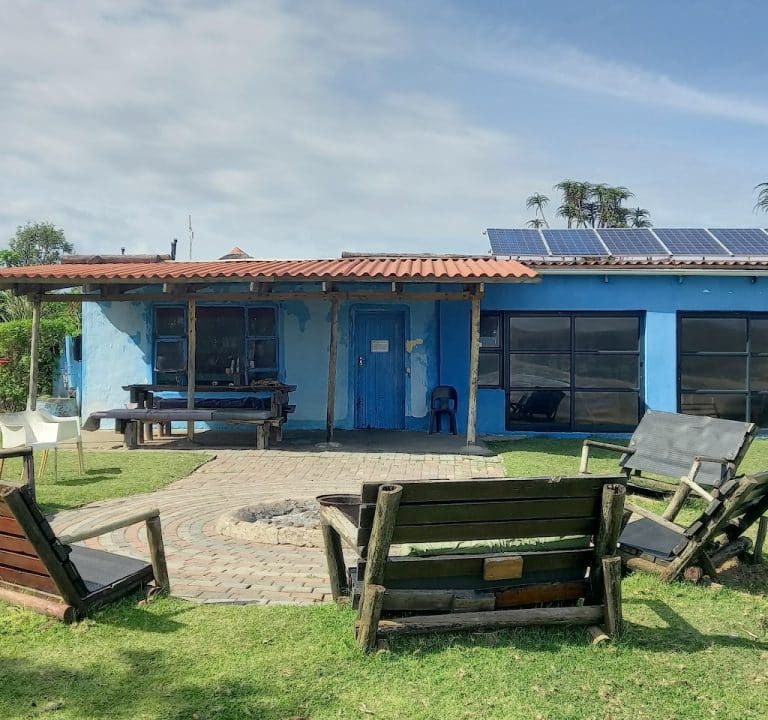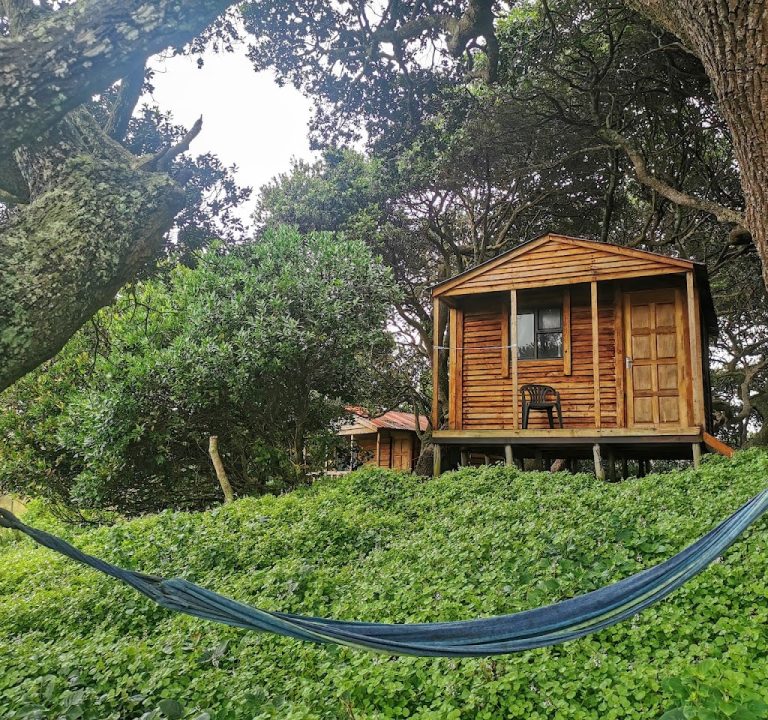
Bulungula Xhosa Community EcoLodge Parking is a Hostel establishment in Folokwe, Eastern Cape, South Africa
About Bulungula Xhosa Community EcoLodge Parking, Folokwe
Nestled along the dramatic Wild Coast, Bulungula Xhosa Community EcoLodge Parking offers an authentic South African coastal experience that blends natural beauty with cultural immersion. The lodge is presented as an eco-friendly, Fair Trade certified destination that welcomes backpackers and cultural travellers seeking a multi-night stay in a remarkable, windswept landscape. Ownership and management are 100% rooted in the local Xhosa community of Nqileni, ensuring that every visit supports the village and its people while preserving traditional practices and a distinctive sense of place.
The setting itself is a key part of the appeal. Guests wake and sleep to the rhythmic sound of the ocean, with the option to rest in a range of Xhosa-inspired accommodations. Traditional Xhosa rondavels provide intimate private rooms or form part of shared backpacker dormitory arrangements. There is also on-site accommodation by the campground and newly constructed forest cabins, offering a spectrum of price points and experiences. This variety makes it possible to tailor stays for solo explorers, couples, or groups seeking a communal, economy-friendly base from which to explore the coastline and culture.
What anchors the experience is the sense of place and purpose. Bulungula Lodge is described as an earth-loving destination that sustains local culture and the planet. Guests participate in a model of community-owned tourism where the businesses behind on-site activities are 100% owned and run by local community members. This approach ensures that spending travels directly to those communities and supports ongoing education, health, nutrition, and sustainable livelihoods through collaborative development efforts.
Accommodation is paired with a programme of experiential activities designed to illuminate the region’s heritage and natural beauty. Guests can engage in traditional village tours to gain insight into Xhosa customs, join fishing excursions with local fishermen, or take part in cultural experiences such as drumming. Guided coastal hikes offer a chance to observe biodiversity and dramatic sea scenery, while other options invite visitors to explore the area’s quieter corners and secret beaches. Participation helps sustain the livelihoods of local families and organisations connected to the lodge’s experiences.
In addition to on-site stays and tours, Bulungula promotes a broader sustainability ethos. The operation is positioned as a catalyst for vibrant, sustainable rural communities, with aspirations toward carbon neutrality and integrated development across education, health, nutrition, and sustainable livelihoods. The commitment to the environment is complemented by attractive, community-focused programmes such as the Bulungula Incubator, which exemplifies the organisation’s broader mission beyond accommodation alone.
For travellers considering how to plan a visit, practical details emphasise location and direction. The lodge points to directions as a reliable resource for arriving, and online content provides accessible information about on-site facilities, experiences, and nearby attractions. The website acts as a gateway to booking and exploring the full range of offerings, from private rondavels to dormitory beds and camping facilities, as well as the curated experiences that support the local economy and culture.
Who this lodge is best for is clear from its credentials and style. It appeals to budget-conscious travellers seeking cultural immersion, solo explorers who appreciate communal living, and families or groups looking for a unique coastal escape that blends nature with traditional Xhosa hospitality. The emphasis on local ownership, fair trade practices, and environmentally conscious operation makes it a compelling choice for visitors prioritising responsible tourism and direct community engagement.
Nearby highlights extend beyond the lodge’s own experiences. The Wild Coast location offers expansive beaches, rugged scenery, and opportunities for coastal walks, fishing, and cultural exchanges with the Nqileni community. Practical travel tips include checking the directions before arrival, exploring the nearby village life, and sampling traditional meals that the lodge and its partners provide. The on-site experience ecosystem includes options that are friendly to vegetarians and diverse dietary preferences, with meals and self-catering arrangements available depending on the chosen accommodation type.
- Range of accommodation styles: private rondavels, backpacker dormitories, campground, and forest cabins
- Community-owned experiences: village tours, drumming, fishing, coastal hikes
- Eco-friendly and Fair Trade certified with a focus on sustainability
- Located along the Wild Coast, offering direct access to beaches and natural scenery
- Support for local livelihoods through community-run businesses and programmes
For travellers seeking more information or to arrange a stay, the site provides navigation to accommodation, experiences, dining options, and contact pages. While direct contact details such as phone numbers and emails are not listed here, the official site links and location pages offer straightforward pathways to plan a visit and explore all that Bulungula has to offer, including the broader Bulungula Incubator initiatives that contribute to the region’s development and resilience.
Folokwe
Eastern Cape
South Africa
South Africa


Accommodating Folokwe, Eastern Cape: where to stay and what to do
Nestled along the Eastern Cape’s untamed coastline, Folokwe offers a blend of rural charm and easy access to spectacular beaches, wilderness trails, and local culture. When planning a stay here, think about balance: your lodging should feel comfortable enough to relax after long days outdoors, while also connecting you with the community and the wild scenery that make this part of South Africa so distinctive. The area rewards flexible itineraries, allowing you to carve out time for long beach walks, scenic drives, and evenings spent listening to local stories around a campfire or in a cosy guesthouse lounge.
Accommodation in Folokwe ranges from community-run lodges and simple guesthouses to eco-friendly stays that prioritise sustainability and authentic experiences. If you are seeking a truly local stay, look for places that are owned or operated by Xhosa communities or small local enterprises. The best options typically offer direct access to nature, easy strolls to nearby beaches or viewpoints, and opportunities to participate in culture-rich activities during your visit. Budget-conscious travellers will find dormitory-style rooms or shared facilities at larger hostels, while couples and families can choose private rooms, cottages, or small bungalows with en-suite facilities. In all cases, expect a straightforward, friendly welcome and a sense that your stay supports the local economy and community projects.
For travellers who want a touch more comfort or additional services, consider eco-lodges or small boutique stays that emphasise responsible tourism. These often provide thoughtfully designed spaces, such as handcrafted furnishings, solar power, rainwater harvesting, and guided activity options. If you prefer a self-contained experience, look for places with self-catering facilities or on-site dining that highlights regional ingredients. When booking, ask about the level of electricity supply, hot water availability, and the reliability of Wi-Fi, as these can vary in rural Eastern Cape locations. Understanding what is included in meals or whether you should expect self-catering can help you plan your daily routine with minimal fuss.
Getting around Folokwe and the surrounding coast can be rewarding but requires a little planning. A vehicle with reasonable ground clearance is helpful for rural roads and beach approaches, while organised tours can take the guesswork out of day trips. If you are relying on public transport, confirm schedules with your host or guests and consider arranging transfers with the accommodation to reach far-flung beaches or viewpoints. Local guided hikes, cultural village visits, and water-based activities are commonly offered through community-run operators, which provides a chance to learn about the area’s history, traditional practices, and conservation efforts while supporting local livelihoods.
The best time to visit Folokwe depends on what you want to do. Summer (roughly December to February) brings warmer seas and longer days, ideal for beach days, swimming, and sunset coastal strolls. Autumn (March to May) offers milder temperatures and quieter trails, good for walking and birdwatching. Winter (June to August) is cooler and drier, suitable for rugged coastal vistas and off-peak rates. Spring (September to November) can be splendid with fresh vegetation and wildlife activity. If you are drawn to fishing, surfing, or coastal birdlife, keep an eye on local seasonal patterns and tides, and coordinate with your host for practical, up-to-date tips.
When planning practical details, consider the following:
- Choose accommodation with clear information on facilities (hot water, power supply, laundry options) and guest reviews that reflect recent stays.
- Look for community or eco-friendly credentials, which often indicate responsible waste management, ethical employment, and support for local providers.
- Check distance to beaches, viewpoints, and village centres to estimate daily travel times and plan meals.
- Ask about on-site dining options, or whether you should budget for self-catering or self-drive picnics for day trips.
- Pack for varied coastal weather: sun protection, a light layer for cool evenings, a sandals-and-closed-toe mix for beach and dunes, plus a sturdy map or offline route guides for hikes.
Nearby attractions and experiences in the wider Wild Coast region regularly emphasise natural beauty and culture. Expect days spent exploring unspoiled beach coves, hiking along clifftop paths with dramatic sea views, and opportunities to learn about Xhosa traditions and crafts from local guides. While exact activities and entrance details vary by operator, many visitors enjoy combined itineraries that include village visits, drumming demonstrations, traditional meals, and guided nature walks—all designed to be low-impact and community-oriented. Dining options commonly feature fresh seafood, muted coastal flavours, and homestyle meals that showcase regional produce, with vegetarian or alternative choices often available on request.
To make the most of your stay, coordinate with your accommodation about suggested itineraries and practicalities. You may find that a well-located base with easy access to beaches, a short transfer to village experiences, and a flexible schedule works best for soaking in the region’s pace while enjoying real-time recommendations from hosts and local guides. If you would like a model example of the kind of experience on offer nearby, communities along the Wild Coast provide similar opportunities to combine affordable lodging with authentic cultural interactions and environmental stewardship. For more information on lodges and experiences in the broader region, you can explore provider sites that focus on eco-tourism and community-owned ventures in the Eastern Cape.
Practical planning tips summarised for quick reference:
- Book ahead if travelling in peak season, but ask about any flexible cancellation policies in case weather or transport changes arise.
- Request information on accessibility and gate times for beaches or nature reserves that you wish to visit.
- Review transport options from major hubs to Folokwe and confirm any local transfers with your host.
- Consider a mix of accommodation types—a simple base for beach days and a more comfortable option for evenings of local storytelling or dining.
- Respect local customs, support community initiatives, and leave spaces as you found them to help sustain the area’s natural and cultural resources.
For travellers seeking an example of a regional model that blends community ownership with coastal ambience, a nearby Wild Coast lodge offers a hands-on approach to cultural exchange and environmental care. If you wish to explore a similar concept online, you can visit examples of community-led lodges that highlight sustainable tourism and local livelihoods, including connections to their dedicated websites.
Sorry, no records were found. Please adjust your search criteria and try again.
Sorry, unable to load the Maps API.
Why Claim Your Listing?
Claiming your listing on the B&B Finder directory website is a valuable opportunity for business owners. Here are five reasons why you should consider claiming your listings:
Control Over Business Information: By claiming their listing, business owners can ensure that all the information presented is accurate and up-to-date. This includes details such as contact information, address, pricing, and available services or amenities. Accurate information helps prevent customer confusion and improves overall satisfaction.
Enhance the Listing: Once a listing is claimed, owners can enhance it by adding more comprehensive information and rich media, like high-quality photos and videos. These additions can make the listing more attractive and engaging to potential customers, thereby increasing the likelihood of bookings.
Marketing Opportunities: Claiming a listing can also open up additional marketing opportunities. Owners may be able to participate in promotional campaigns, special offers, and other marketing activities organized by the directory. This can increase visibility and attract more customers to the business.