Port St Johns: Where to Stay, What to Do, and How to Plan Your Visit
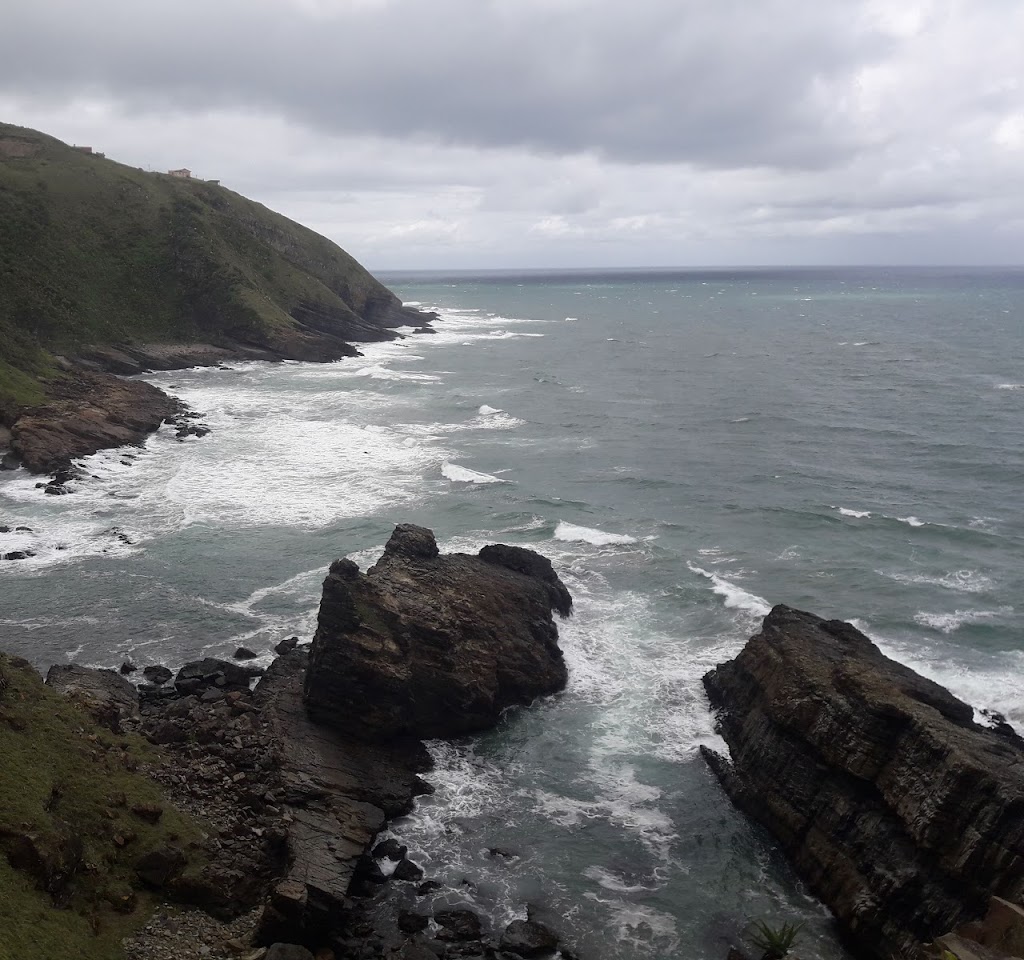
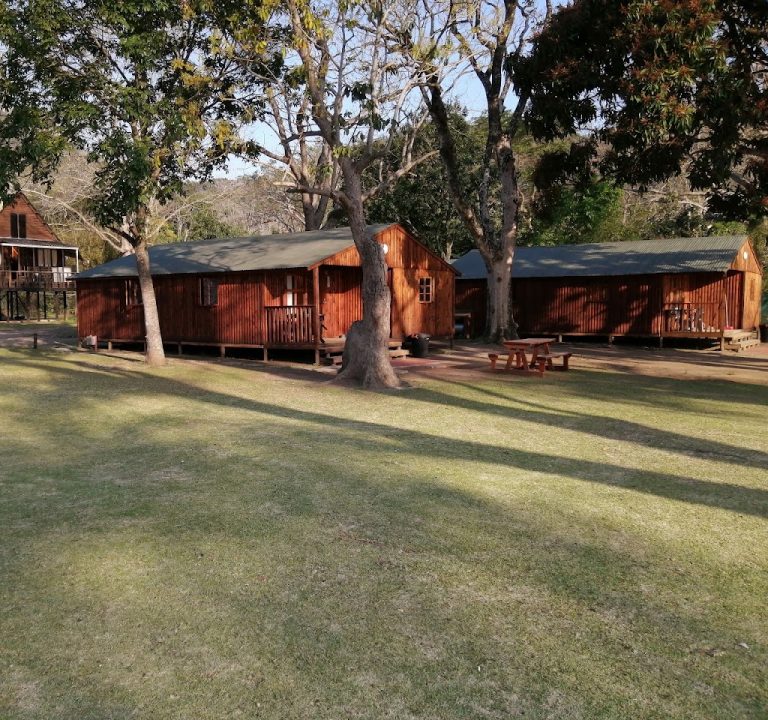
Port St Johns on the Eastern Cape’s wild coast is famous for its dramatic scenery, winding rivers and laid‑back vibe. Its accommodation spans sea‑edge guesthouses, rustic lodges, backpacker favourites and family‑friendly camps such as Bulolo Holiday Camp, which provides indoor lodging in a sheltered setting. When planning a stay here, think about how you want to balance adventure with relaxation, and which neighbourhoods or viewpoints will best frame your days.
The town centre is compact and easy to walk, with a handful of eateries, small shops and access points to the main beaches and riverine spots. If you’re seeking more secluded nature, consider places a short drive away from the core of Port St Johns, where you can wake to birdsong, forest aromas and uncrowded coastline. For families or groups, self‑catering lodges and camp‑style sites offer flexibility, while boutique guesthouses provide a cosy base with a personal touch. When selecting accommodation, prioritise the following features: a guaranteed sea or river view, secure parking, on‑site assistance with bookings and local tips, and a flexible cancellation policy in case weather or transport plans change.
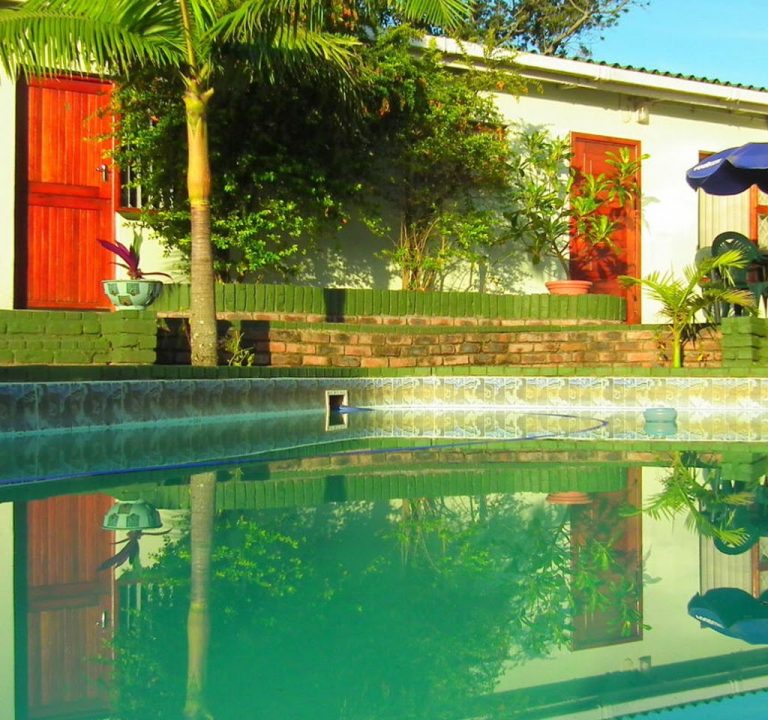
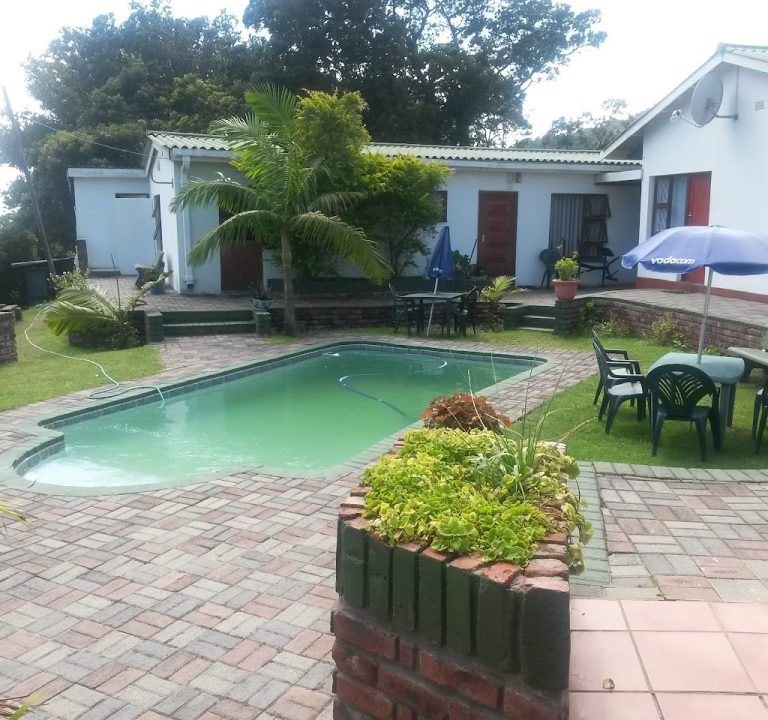
Typical amenities you’ll come across include en-suite bathrooms, fans or air conditioning, and clean communal spaces. Some properties offer kitchens or kitchenettes, barbecue facilities, and outdoor seating with sea breezes or valley views. If you’re staying at a smaller guesthouse or lodge, you may enjoy a hearty breakfast or the chance to arrange a guided activity through your host. For those who prefer a more self‑contained stay, self‑catering cottages or camp sites can be ideal and often come with shared barbecue areas and plunge pools or nearby swimming spots.
Transport in Port St Johns is laid‑back but requires some planning. A car or organised transfer is the simplest way to reach beaches along the coast and the river mouth, with limited public transport between the town and outlying areas. If you’re driving, allow extra time for steep roads and the occasional unpaved section, especially in wet conditions. Local routes can be excellent for scenic day trips, so having a reliable map or mobile data helps you discover hidden viewpoints, secluded beaches and short forest walks. If you’re staying close to the town centre, you’ll be able to stroll to most eateries and the harbour area, but for remote viewpoints or longer hikes, a vehicle is usually preferable.
Best time to visit Port St Johns is determined by weather, sea conditions, and your preferred pace. The summer months bring warmth, longer daylight hours and conditions suitable for river activities, swimming and hiking. Autumn can be calmer and cooler, with good wildlife viewing opportunities along the coast. Winter is mild by inland standards but can be windy and wet, offering dramatic skies and quieter beaches. Spring brings a fresh energy as coastal birds return. Pack layers, a waterproof jacket, sun protection, sturdy footwear for forest trails, and a clipped bag for day hikes. If you’re planning water‑based activities, always check local conditions and follow safety warnings from your host or guides.
When you arrive, a short orientation with your accommodation host is often the best way to set your expectations. Ask for local tips on the best beaches, fishing points, viewpoints and safe swimming areas. Your host can also suggest optional experiences such as guided hikes through nearby forests, canoe trips along the river, or visits to nearby villages with craft markets. Dining in Port St Johns tends to emphasise fresh seafood and locally inspired fare, with uncomplicated menus that showcase regional produce. For a relaxed evening, consider guests’ recommendations for sunset spots with views across the water, or a casual beachside café for a simple meal after a day outdoors.
Key areas to consider when choosing where to stay:
- Coast and harbour: easy access to beaches, river mouth viewpoints, and a gentle ambience close to town facilities.
- Riverside or forest edge: a sense of seclusion, often with more expansive outdoor space and wildlife opportunities.
- Outskirts or village hubs: typically more budget‑friendly and suitable for longer stays, but check transport options for day trips.
Practical planning tips for a smooth stay:
- Book early for peak seasons, especially if you want a sea‑view room or a family‑friendly unit.
- Check cancellation policies and weather considerations, as coastal conditions can influence travel plans.
- Clarify on‑site amenities (kitchen facilities, laundry, wifi) and whether you’ll need to bring towels or other consumables.
- Arrange transport in advance if you’re not driving, and request a map or local directions from your host.
- Ask about safe swimming beaches and any rough currents or seasonal hazards to avoid.
- Consider a mix of activities: a day on the beach or river, a forest or coastal hike, and a relaxed evening meal out to balance pace.
As you plan your itinerary, you’ll find that Port St Johns offers a balance of simple pleasures and natural drama. From sheltered sandy coves to river adventures and forest trails, the region rewards visitors who take time to slow down and immerse themselves in the landscape. Whether you choose a snug guesthouse, a family‑run lodge or a comfortable camp site such as Bulolo Holiday Camp, you’ll enjoy a warm welcome and a stay that mirrors the area’s unhurried charm. For more suggestions and inspiration, consider exploring official tourism pages or trusted travel guides that focus on the Eastern Cape’s coastline and hinterland.