Port St Johns: Accommodation, Attractions and How to Plan Your Stay
Port St Johns, perched on the eastern edge of the Eastern Cape, is renowned for its rugged beauty, winding river estuaries and a sense of remote adventure. When planning a stay, think about a mix of peaceful coastal retreats, hillside lodges and small guesthouses that offer an authentic flavour of the region. The town’s characterful accommodation options are well suited to travellers seeking easy access to beaches, forests and the scenic Oribi Gorge area nearby, while still being convenient for essential services and leisurely eateries.
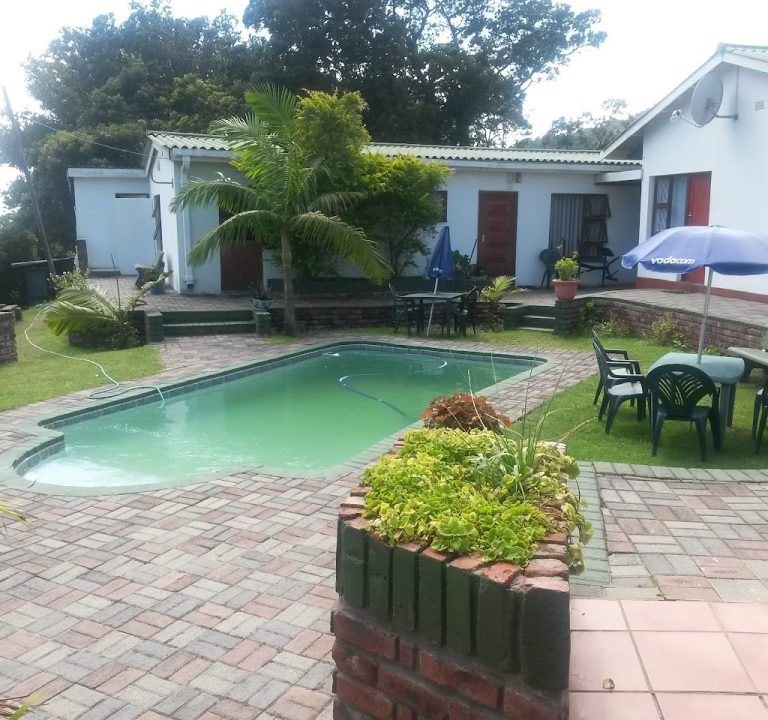
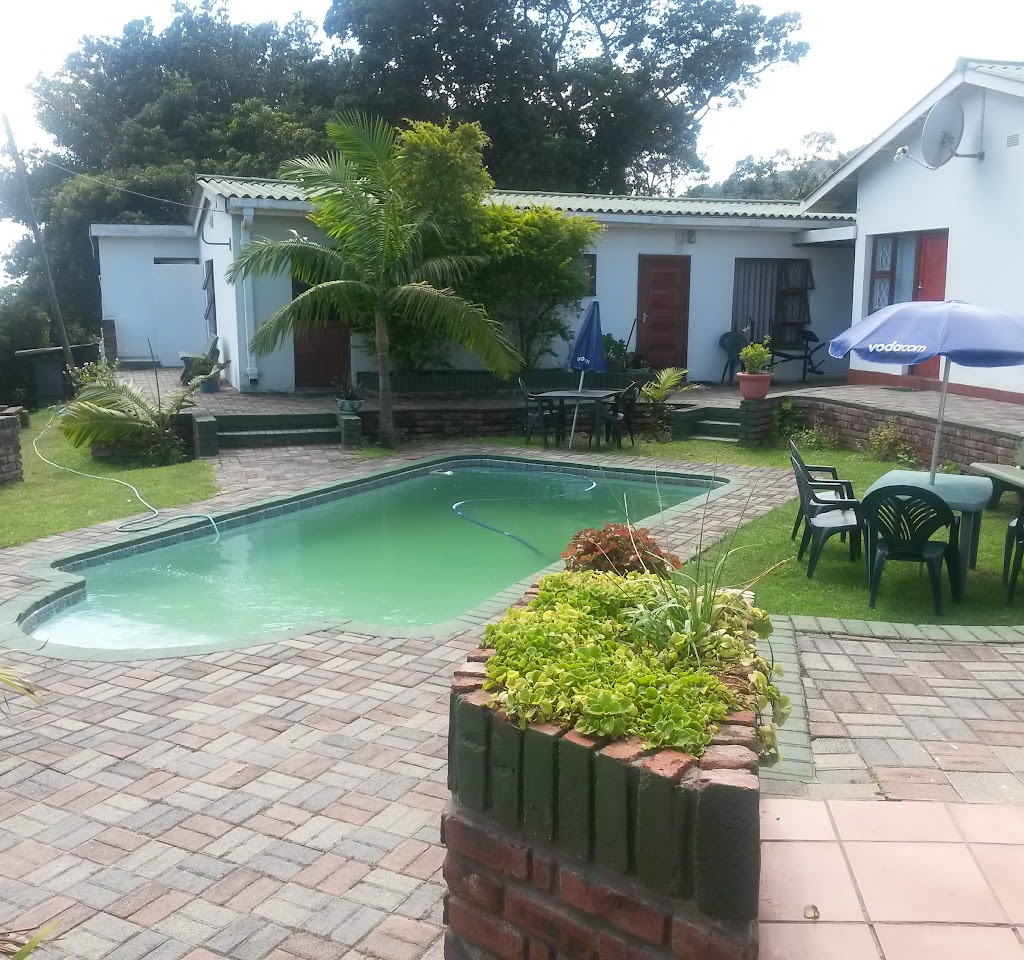
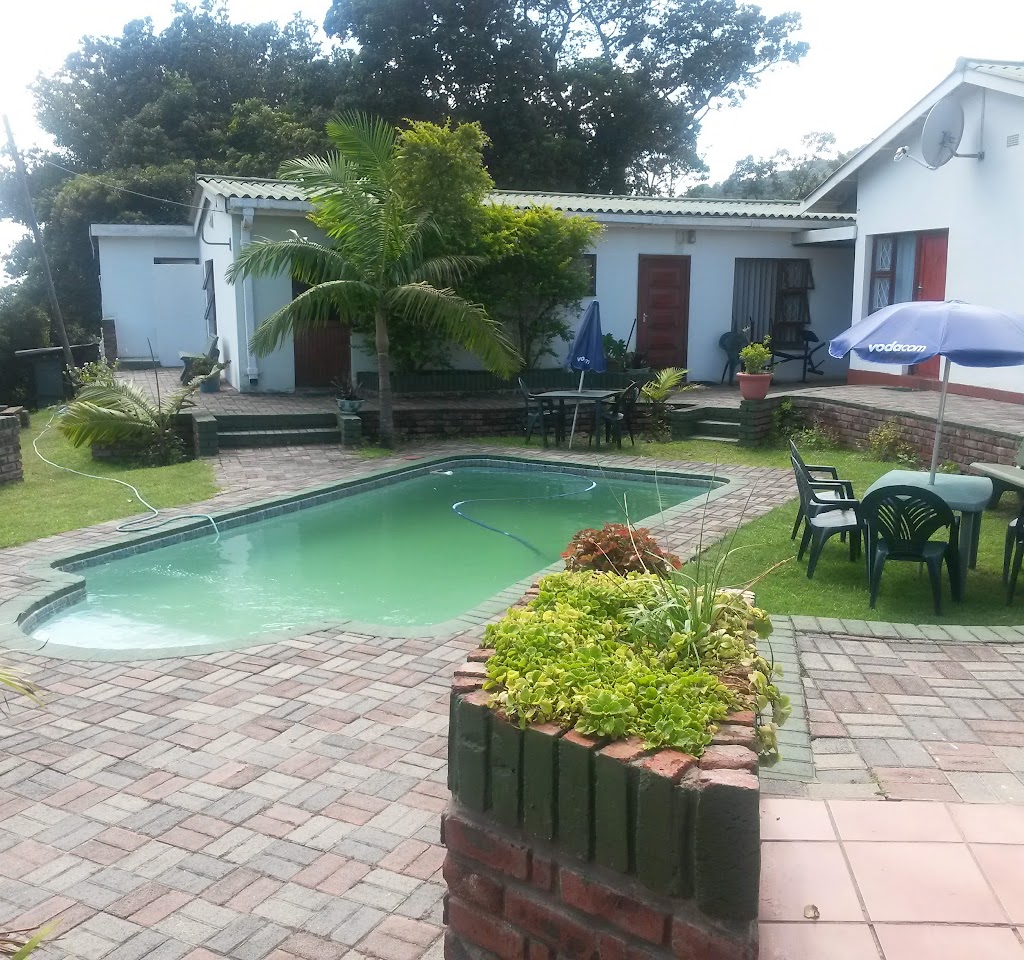
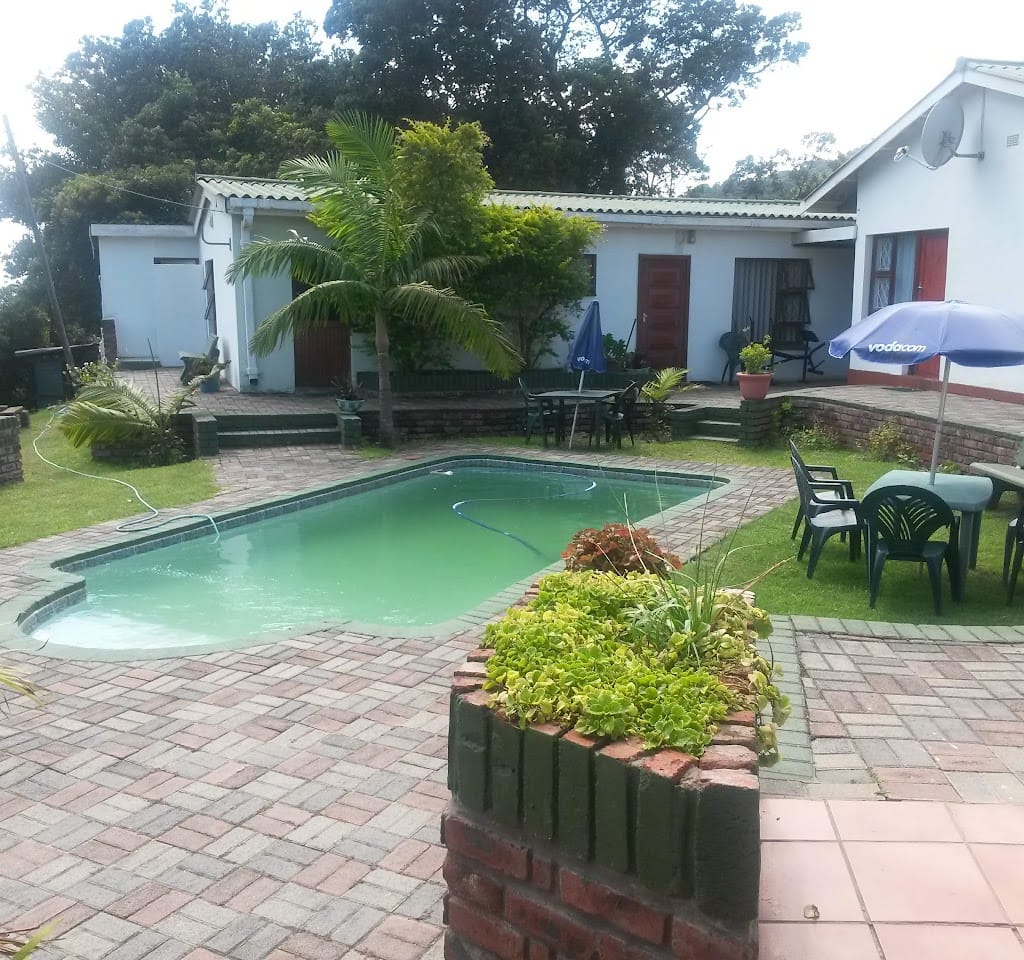
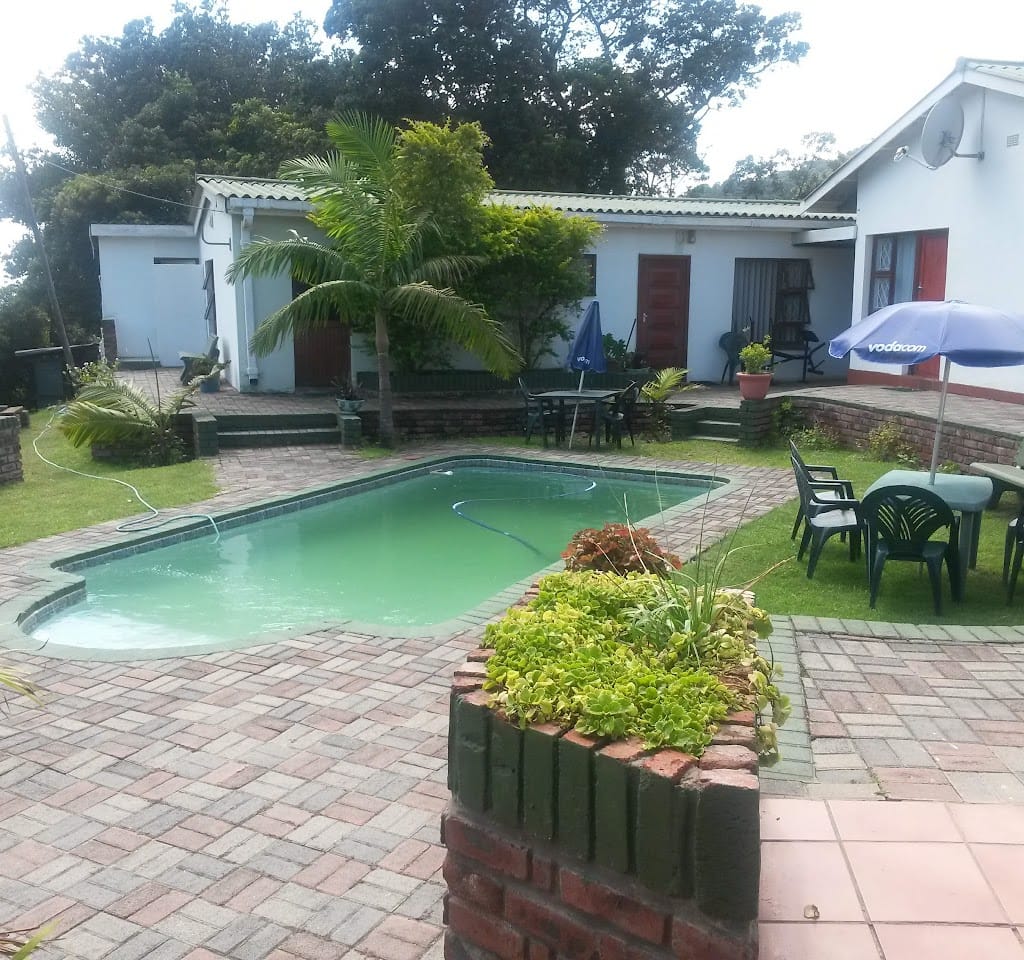
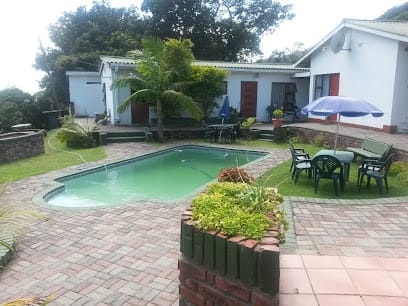
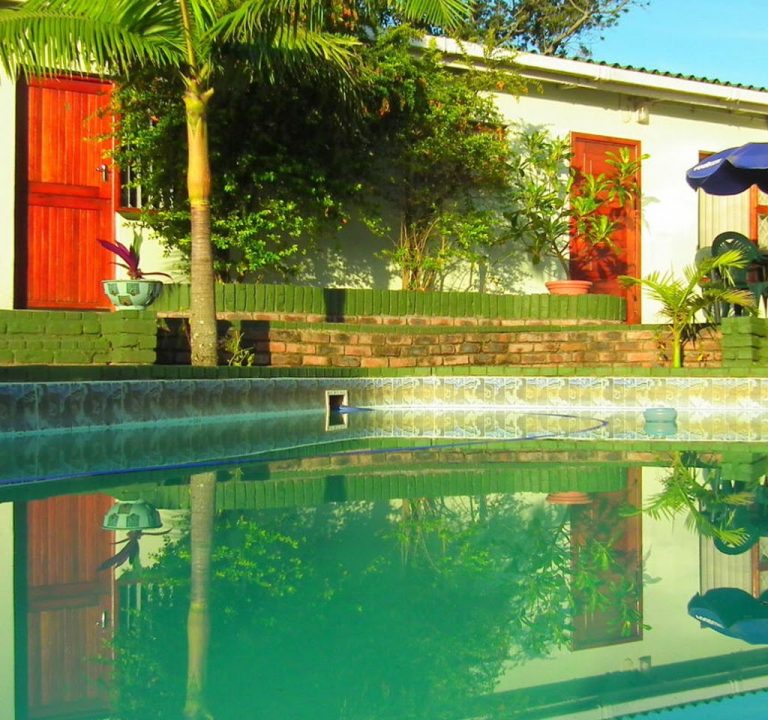
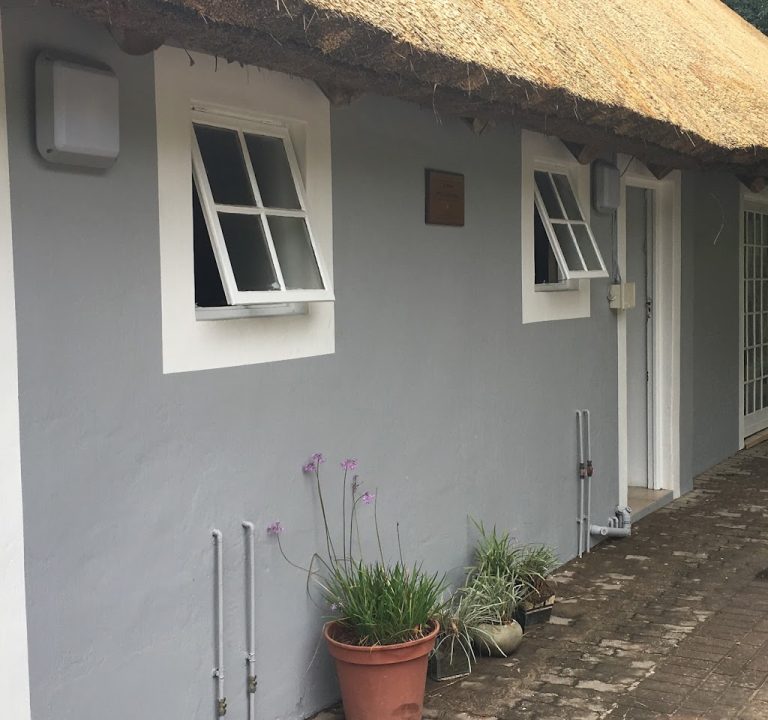
When choosing where to stay, consider the layout of the town and your preferred pace. The main village and harbour area can be lively during the day, while quieter streets a short walk away provide more secluded settings with excellent views. Some guesthouses and serviced accommodation sit hillside with panoramic sea or river views, while others are closer to the river mouth and beach. If you’re travelling with family or a group, look for self-catering units or serviced apartments that offer flexible sleeping arrangements and kitchen facilities. A stay at a serviced accommodation such as Sunlof Bed and Breakfast can be convenient for guests seeking regular housekeeping, on-site management and a more structured approach to meals, should you value convenience alongside local charm.
Typical amenities to look for include en-suite bathrooms, Wi‑Fi, on-site parking, and dining options or kitchen facilities. Coastal settings often offer outdoor seating, shaded verandas and easy access to walking trails. Some properties may provide secure storage for water sports gear or cycle storage, which is useful for visitors who want to explore Port St Johns by bike or on foot. If you’re visiting in the warmer months, a shaded outdoor area, laundry facilities for longer stays, and a pool or splash area can be a real bonus. For winter travellers, check heating options and hot water reliability, particularly if you’ll be staying in smaller village rooms that rely on limited heating sources.
Booking tips to keep in mind include confirming the bed configuration and whether rooms can be configured for families or groups. It’s wise to clarify tea and coffee provisions, whether breakfast is included, and if there are flexible cancellation policies. Read recent reviews to gauge how hosts respond to requests and how accurate the listing is in terms of location and facilities. If you’re returning to Port St Johns after a rainstorm, ask about proximity to the main road and whether there are any access considerations during severe weather. In peak season, book well in advance, especially if you have specific needs such as accessible parking or ground-floor rooms.
Transport in Port St Johns is relatively straightforward but may require a little planning. The town is reachable by road with a scenic drive along the coast or through the mountains, and public transport options can be limited. If you’re arriving by air, the closest conventional airports are a reasonable distance away, so many travellers arrange transfers or hire a car. Once you’re there, walking is a pleasant way to explore the harbour, beaches and the town’s small shops and cafés. A car gives you the freedom to explore the surrounding nature reserves, river mouth trails and the forested outskirts. If you prefer not to drive, reputable local operators may offer day tours or guided walks, which can be a convenient way to learn about the landscape and wildlife without the logistics of independent travel.
Best time to visit Port St Johns depends on your preferred climate and activities. The region enjoys a subtropical climate, with warm summers and mild winters. The dry season often coincides with clearer skies and calmer seas, ideal for beach days and boat trips along the coast. The wetter months bring lush vegetation and occasional showers, which may enhance forest and river excursions but could affect outdoor plans. For water-based activities, check local conditions on the day and be prepared with light rain gear, sun protection and suitable footwear for uneven terrain. If you’re looking for a relaxed break with fewer crowds, consider shoulder seasons when accommodation is more affordable and the pace is leisurely.
Attractions in and around Port St Johns are primarily nature-led and community-focused. The town acts as a gateway to opportunities for river adventures, coastal walks and forested trails. Visitors often enjoy a stroll along the harbour, watching boats and the daily rhythms of local life, before heading into the surrounding countryside. While it’s best to keep expectations modest in terms of high-profile attractions, the region’s natural beauty speaks for itself. For meals, the town’s dining options tend to reflect local produce and seafood, with menus that emphasise fresh ingredients and classic South African flavours. When planning meals, you’ll find a range of informal eateries and cafés that offer light bites, hearty breakfasts and refreshing drinks in welcoming settings.
Practical tips for a smooth stay in Port St Johns:
- Book accommodation in advance during peak school holidays and long weekends to secure the best options and locations.
- Prioritise properties with easy beach or harbour access if you plan to spend long days outdoors.
- Pack lightweight layers for variable coastal weather and a reliable sun protection plan for day trips.
- Bring a portable phone charger and a waterproof bag for wet-weather or boat-based activities.
- Check accessibility options if you have mobility requirements, as some paths and paths can be uneven or steep.
In summary, Port St Johns offers a relaxed base from which to explore dramatic scenery, plus a range of accommodation styles that fit different budgets and preferences. Whether you choose a hillside guesthouse with sweeping sea views, a serviced option such as Sunlof Bed and Breakfast, or a cosy beachfront cottage, you’ll be well placed to enjoy the laid-back charm, natural splendour and friendly hospitality that define this corner of the Eastern Cape. Plan with flexibility, arrive with an open mind, and let the coastline and forests shape a memorable stay.