Staying in Cape Town: accommodation, neighbourhoods, and savvy planning for a memorable visit
Cape Town presents a wide spectrum of places to stay, from chic boutique BnBs and guesthouses to family-run lodges and contemporary city apartments. Your choice can shape how you experience the city, from Table Mountain’s dramatic vistas to the shoreline buzz of the Atlantic Seaboard. When planning a stay, start with a shortlist of neighbourhoods that align with your pace, interests and transport preferences, then refine it by considering amenities, access to the sights you care about, and practical details like parking and access to public transport.
Key areas to consider include the City Bowl, the Atlantic Seaboard, the Southern Suburbs and theCape Town surrounds. The City Bowl centres you close to central attractions, museums, markets and excellent dining. The Atlantic Seaboard offers dramatic coastal views, easy beach access and a more relaxed vibe with many stylish guesthouses and apartment rentals. The Southern Suburbs provide leafy residential charm, family-friendly appeal and good connections to Constantia wine routes and Kirstenbosch Gardens. For a more rugged, outdoor-focused stay, consider places near Signal Hill, the cable car to Table Mountain, or the western fringe of the peninsula where the scenery becomes wilder and the pace slower.
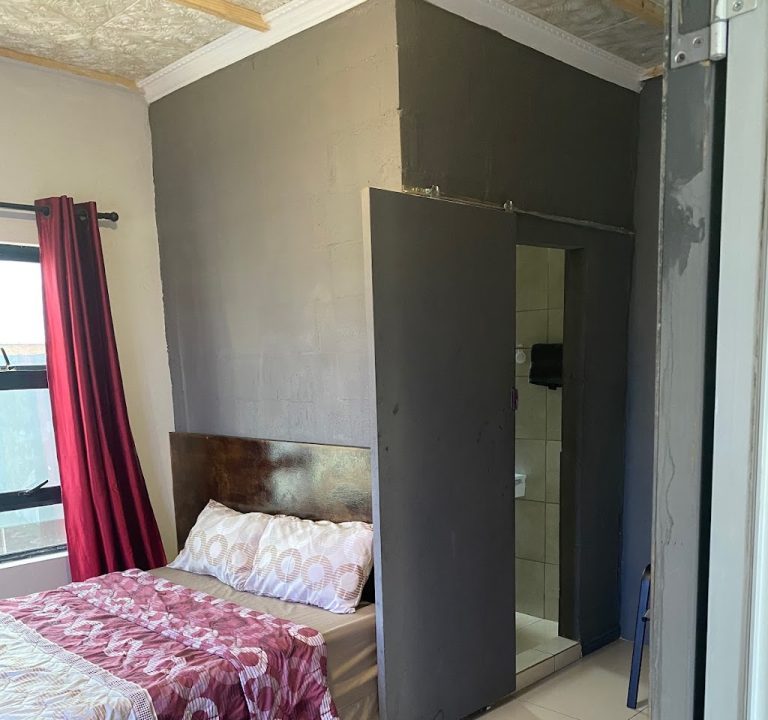
When booking, look for essential amenities that match your plans. Practical comforts such as reliable Wi‑Fi, secure parking (if you drive), a well-equipped kitchenette or tea-and-coffee facilities, and clear check-in instructions can save you time and stress. Many properties in Cape Town also offer generous breakfast options, a small lounge area, and helpful guides or maps, which can be especially valuable if you’re visiting for the first time. If you’re travelling with family or friends, consider a stay with multiple bedrooms or a separate living area to preserve comfort and privacy.
Transport is a major factor in Cape Town. If your accommodation has parking, you’ll have more freedom to explore the peninsula by car, including the scenic routes to Constantia, Hout Bay and the Cape Point. Otherwise, look for properties with easy access to MyCiTi buses or Uber/Lyft services, as well as proximity to Golden Mile beach routes and the bustling city centre. For day trips to nearby towns or nature reserves, check whether the host can provide guidance on public transport options, taxi collaboration, or organised tours. A well-located stay near major routes can cut travel time and help you fit more experiences into your itinerary.
Best time to visit Cape Town depends on your priorities. The city enjoys mild springs and autumns, with spring (September to November) bringing blossoming flora, lighter winds and excellent photography light. Summer (December to February) adds long days and beach time, though it can be busier and pricier. Winter (June to August) is cooler and wetter, but it’s a good time to find quieter streets and enjoy regional wine routes without peak-season crowds. If mountains and outdoor activities are central to your trip, plan for clearer, sunny days in late spring or early autumn when the sea is still inviting and the hiking trails are in great condition.
Must-try experiences in and around Cape Town vary with interests. In the city, you can wander vibrant markets, browse local galleries, and enjoy contemporary South African cuisine at a range of casual to fine-dining spots. The V&A Waterfront area is popular for strolls, harbour views, and diverse dining options, while the central historic core offers a compact set of bars, cafés and classic Cape Dutch architecture. Nature lovers often make time for Table Mountain and the nearby Lion’s Head hikes for panoramic city and ocean views, plus trips to the Cape Peninsula for dramatic coastal scenery. Families and nature enthusiasts may enjoy Kirstenbosch National Botanical Garden, inexpensive picnic spots, and gentle coastal walks along protected shorelines.
When it comes to dining, Cape Town’s gastronomy spans casual eateries, seafood shacks, and refined restaurants that showcase regional produce. Rather than focusing on specific establishments, plan to sample seafood with a coastal influence, Cape Malay flavours, and modern interpretive cuisine that uses fresh local ingredients. Many areas near your stay will offer weekly markets and pop-up food stalls, especially on weekends, where you can taste a range of dishes and discover new favourites without committing to a full restaurant dinner each night.
Practical tips to smooth your stay:
- Read guest reviews with a discerning eye for consistency, including proximity to your points of interest, noise levels, and accuracy of property descriptions.
- Check the cancellation policy and any note about house rules, parking, or access times to avoid last‑minute surprises.
- Confirm the type of bedding, kitchen facilities, and any accessibility features if required.
- Plan a light initial itinerary to acclimatise, then add fine-tuning days once you’ve settled into your accommodation and understand travel times.
- Use official tourism sites (for example, Cape Town Tourism) for up-to-date event calendars, seasonal highlights and suggested day trips.
Finally, consider the broader planning picture. A well-chosen base can unlock efficient travel to coastal towns, winelands, and nature reserves, while a well-equipped, comfortable room can feel like a welcoming retreat after a day of exploration. Cape Town rewards curious travellers with a flexible plan, stunning vistas, and a blend of urban energy and natural beauty that lingers long after you return home. For further information and ideas on where to stay and what to do, explore reputable travel guides and official tourism resources, and tailor your plans to what you most want to get from your Cape Town visit.